

Articles
Technical, regulatory and practical writing on speciality food ingredients in India.
 Ingredients
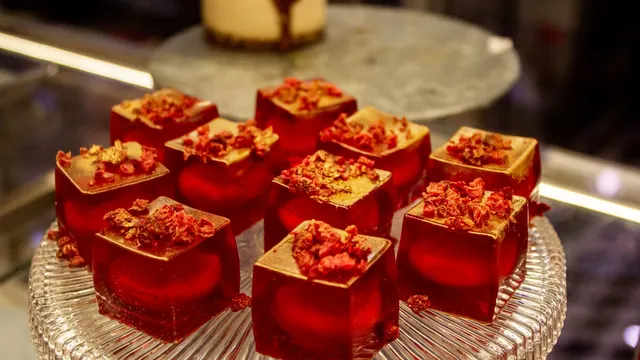
Agar jelly: a clean cut and a surprising snap
A sharp-edged jelly cube can break rather than bounce. Understand agar's setting behaviour before asking it to deliver the bite of a different gel.
Open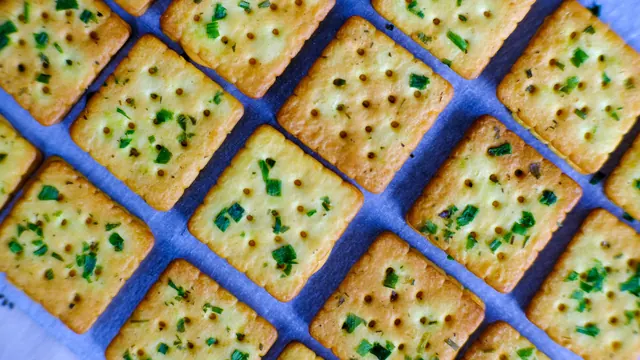 Nutrition
Baked does not tell you the fat content
The oven describes a process, not a nutrition result. Follow fat into the recipe and water out of the snack to understand the finished-product figures.
Open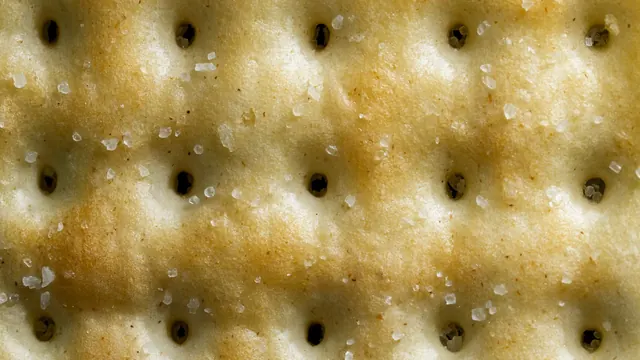 Bakery
Biscuit blisters: those little holes have a job
Flat dough can leave the oven with unexpected pillows. Follow the vapour, the dough sheet and the docking pins to understand where those blisters begin.
Open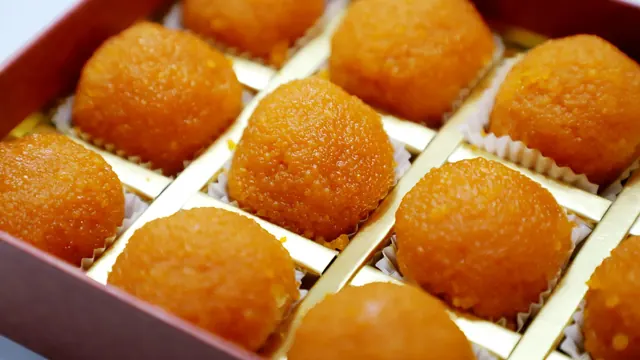 Ingredients
Boondi with tails: when drops forget to be round
Little commas in the fryer tell a story about batter flow and detachment. Watch the drop leave the perforation before changing the whole recipe.
Open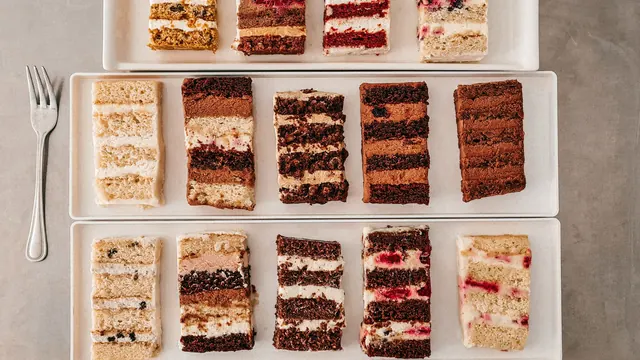 Bakery
Cake tunnels: who dug through the crumb?
Long passages through a cake tell a different story from an evenly open crumb. Read the cut slice alongside mixing, holding and depositing records.
Open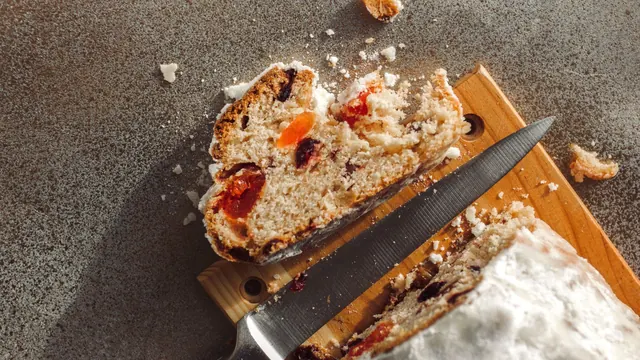 Bakery
Cake fruit that takes the lift to the bottom
The fruit went into the batter evenly, so why is it gathered at the base? Follow the race between settling, handling and the cake setting in the oven.
Open Ingredients
A shorter ingredient list still needs someone to do the work
Removing a name from the recipe can remove several useful functions at once. Build a simple map of the jobs before deciding what changes next.
Open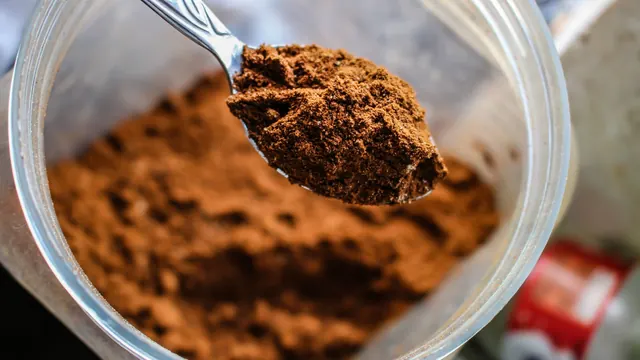 Ingredients
Cocoa powders: the darker one is not simply stronger
A darker cocoa can change colour, flavour and batter behaviour together. Compare the whole recipe before treating shade as a shortcut to chocolate intensity.
Open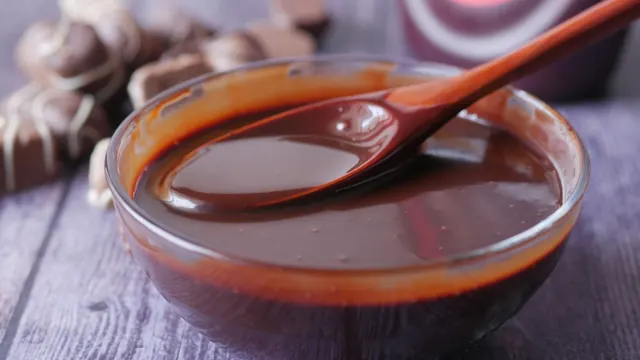 Ingredients
Compound coating: the tiny splash that stops the flow
A damp utensil can turn a flowing fat-based coating into paste. Follow moisture entry, particle clumping and controlled material handling before trying a correction.
Open Dairy
The culture is in, but the milk is taking its time
The next stage is ready, but the fermentation curve is barely moving. Follow the culture, the milk and the actual conditions before blaming the clock.
Open Practical
Premix segregation: mixed in the blender, separated in the bag
A uniform blend can change during discharge and packing. Follow particle movement through drops, hoppers and vibration to find where the mixture starts sorting itself.
Open Practical
Enzymes: who calls time on the reaction?
Getting the effect you want is not always the end of enzyme action. Plan how the process controls further change, then check that the finished ingredient stays where you intended.
Open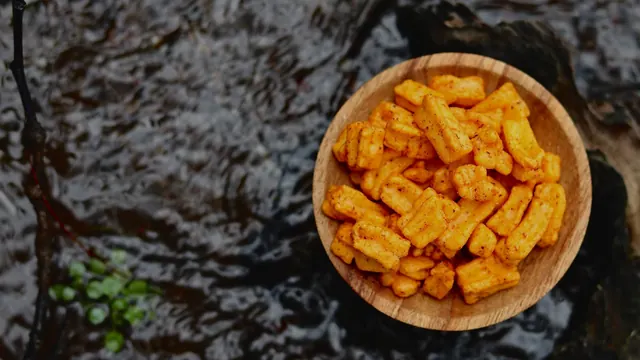 Ingredients
Extruded snacks: where did the puff go?
Dense ropes at the cutter can reveal a mismatch between the feed and its cooking history. Follow the starch mixture through the die before chasing a bigger puff.
Open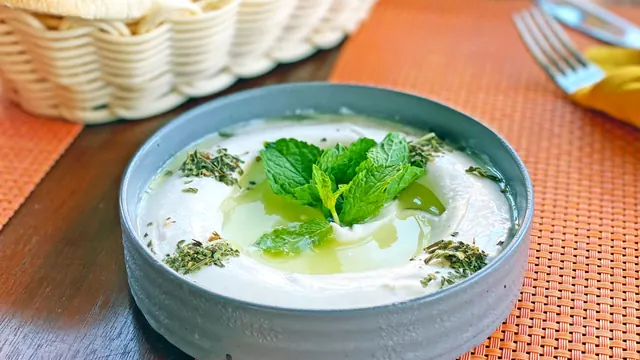 Nutrition
A lighter dip that feels like paste
Matching spoon thickness does not guarantee a creamy bite. Follow lubrication, coating and flavour when developing a dip with less fat.
Open Practical
The recipe changed, but the production sheet did not
An agreed ingredient change can still miss the next shift. Connect the recipe, stock and production instructions so the approved version reaches the line.
Open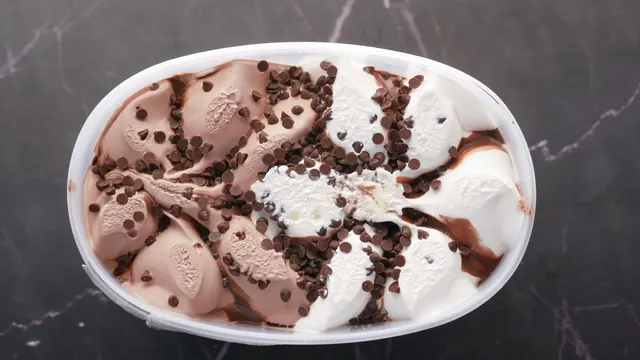 Dairy
Frozen dessert tubs: same size, different weight
Identical tubs can hold different masses when air changes the product's density. Separate the freezing story from the filling story before adjusting either.
Open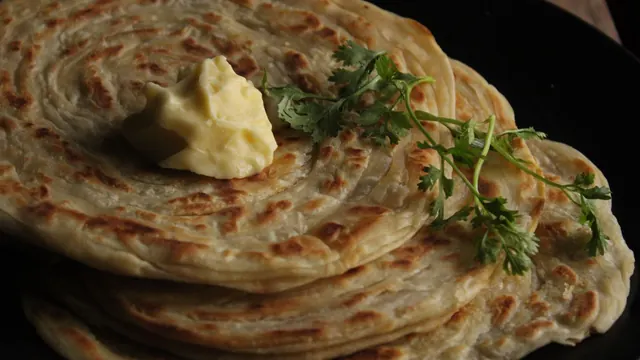 Bakery
Frozen paratha: where did all the layers go?
A flaky paratha begins with a structure that must survive sheeting, freezing and cooking. Follow the layers to find where they stopped keeping their distance.
Open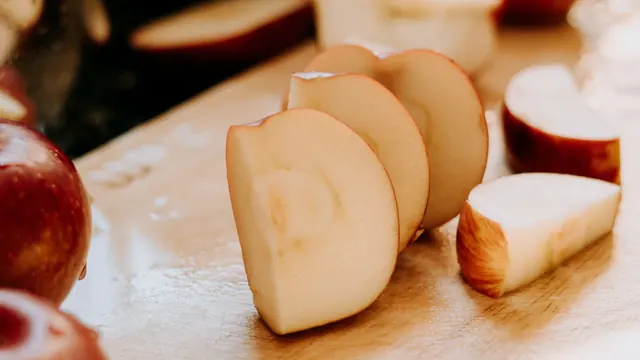 Beverages
Fruit drinks: the cut fruit starts changing colour before mixing
Freshly prepared fruit can lose its bright appearance while the mixer waits. Follow tissue damage, oxygen and delays to understand where the browning begins.
Open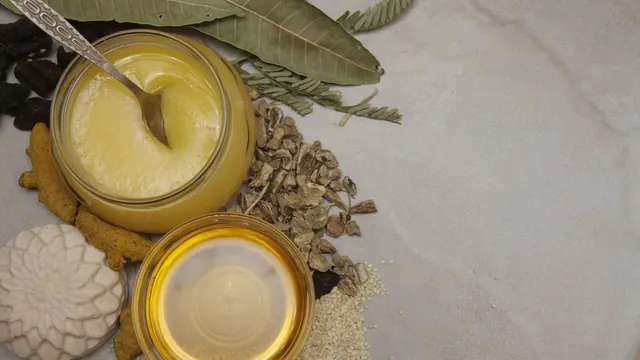 Dairy
Ghee clarification: catching the nutty note before it becomes burnt
The aroma is lovely, but the milk solids are still cooking. Follow water removal, residue colour and residual heat to give ghee a well-timed finish.
Open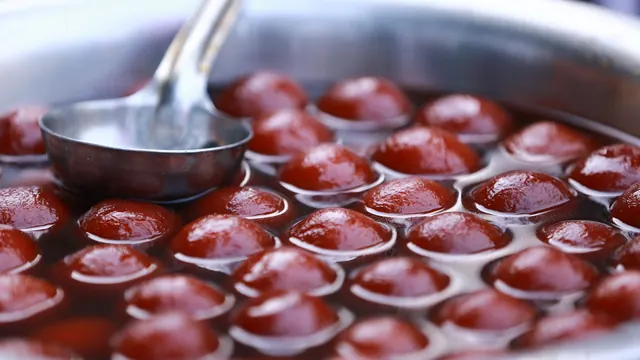 Dairy
Gulab jamun centres: lovely outside, lonely in the middle
A glossy surface can hide a centre that syrup has barely reached. Follow the fried structure and the soaking conditions to understand the journey into the sweet.
Open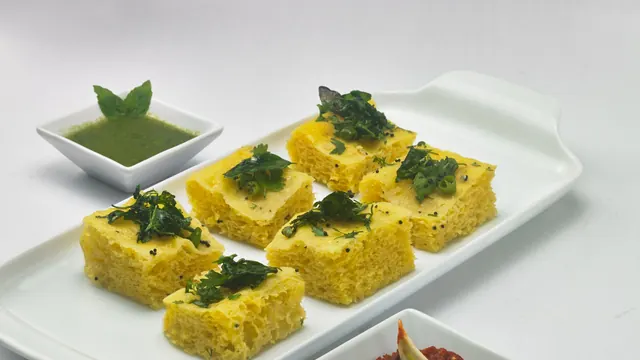 Ingredients
Instant dhokla: the bubbles left before the steamer arrived
A lively batter can still make a dense tray. Follow gas generation, bubble retention and steaming to understand why preparation timing matters.
Open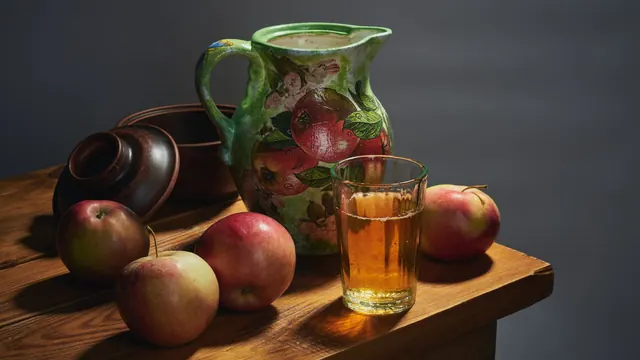 Beverages
Clear juice: letting pectinase open the traffic jam
A slow filter may be telling a story about fruit structure. Learn where pectinase can help a clear juice and why the complete process still matters.
Open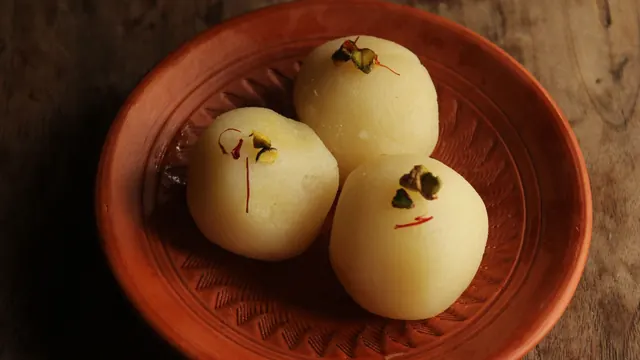 Dairy
Khoa scorching: the brown specks that arrived before the finish
Dark specks can appear while the rest of the khoa still needs cooking. Follow the scraper, the heated surface and the changing consistency before blaming the milk.
Open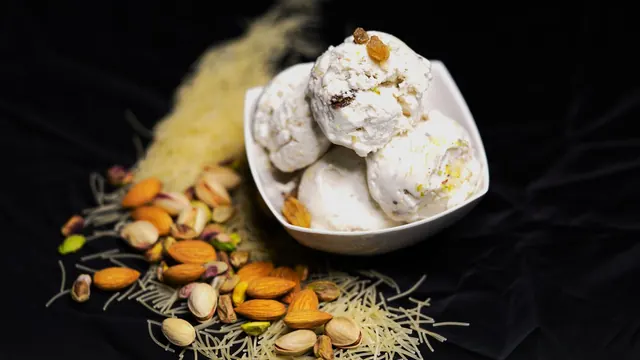 Dairy
Sandy kulfi: the grit that outlasts the ice
A gritty bite can have more than one cause. Follow lactose, concentrated milk solids and storage history before treating every rough kulfi as an ice problem.
Open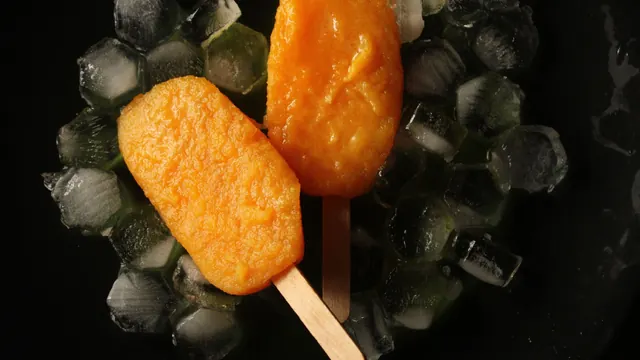 Dairy
Kulfi that will not leave its mould
The stick comes out, the kulfi stays put. A clean release depends on the contact surface, the frozen dessert and the handling that joins them.
Open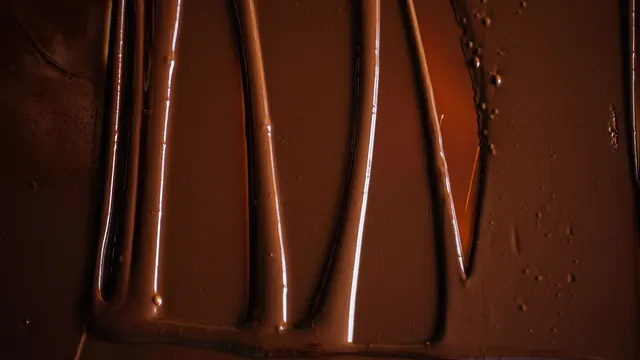 Ingredients
Lecithin in chocolate: helping crowded particles move
Chocolate can flow differently without simply gaining more fat. Look at particle surfaces, the start of flow and drainage on the actual coated product.
Open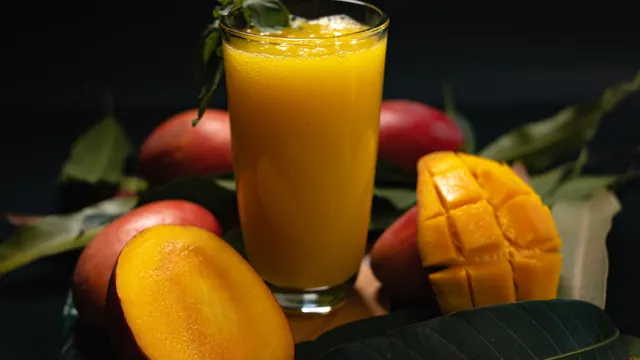 Beverages
Mango nectar with more bubbles than expected
A still drink can carry a surprising amount of trapped air. Trace pulp handling, mixing and deaeration before treating every filling variation as a recipe problem.
Open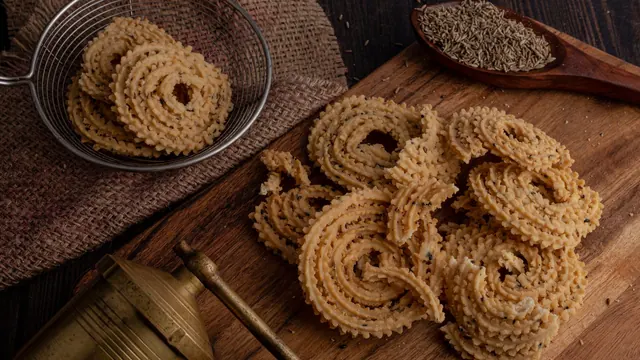 Nutrition
Less salt in namkeen, but where should the flavour land?
A reduced-salt trial can taste lively in one bite and empty in the next. Follow crystal size, surface coverage and seasoning balance, then verify sodium separately.
Open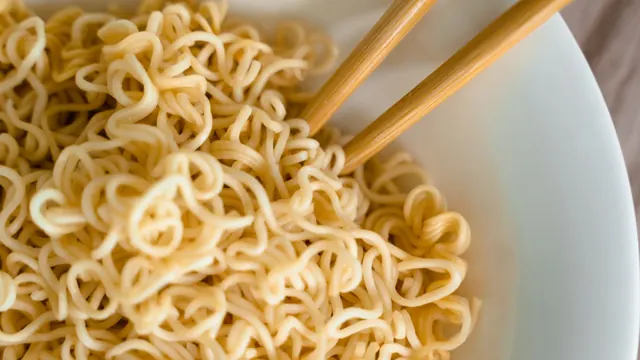 Ingredients
Noodles that turn the cooking water into soup
Cloudy cooking water can reveal solids escaping from noodles or pasta. Compare the structure, the process and the bite using a consistent cooking method.
Open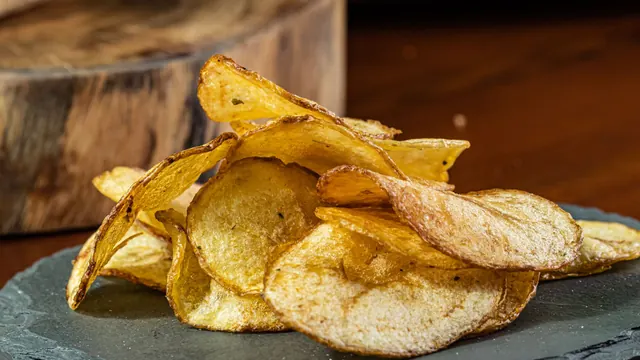 Ingredients
Potato chips: where does the oil find room?
The chip keeps changing after it leaves the fryer. Follow water loss, pores and surface oil to understand why careful draining may tell only part of the story.
Open Practical
The sachet seal with a powder trail through it
A neat-looking pack can hide a poor seal where powder interrupts contact. Follow the filling cycle and use suitable integrity checks to find the weak point.
Open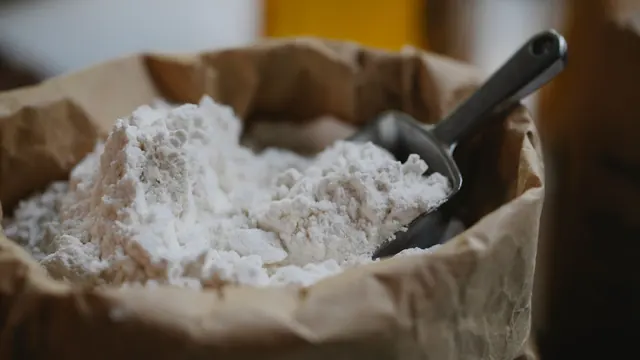 Ingredients
Pregelatinised starch: the cooking happened earlier
A cool-water dessert can thicken without a hob because its starch has already had a cooking step. The useful question is how that body develops during preparation.
Open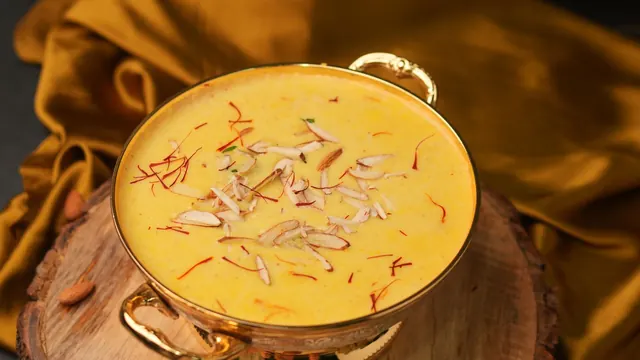 Dairy
Rabri: building flakes instead of a smooth puddle
Rich milk is only part of rabri's charm. Follow the surface layer from the pan to the spoon to keep those soft flakes in the finished dessert.
Open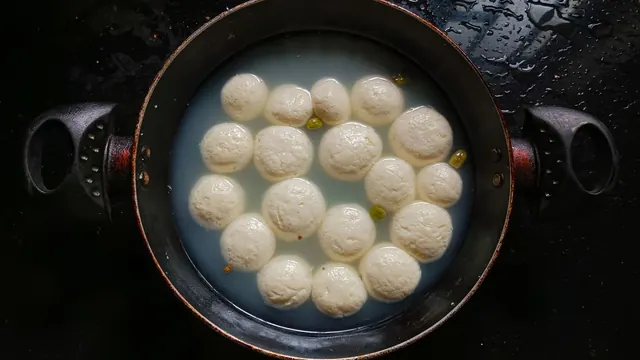 Dairy
Rasgulla that puffs proudly, then wrinkles
A plump sweet in the cooking vessel has not finished its journey. Follow the chhena structure through syrup transfer and cooling to understand a wrinkled finish.
Open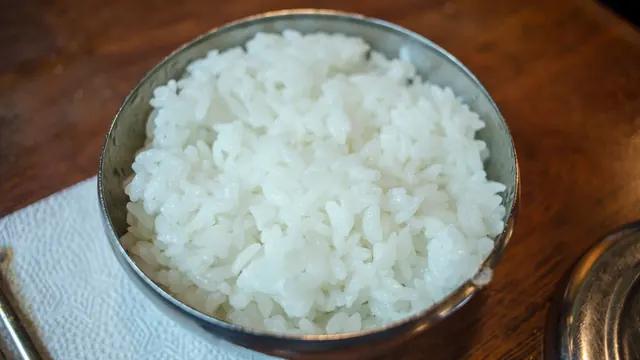 Ingredients
Ready-meal rice: a spoonful or a solid block?
Separate grains can become a stubborn clump by serving time. Follow surface starch, grain damage and handling through the complete meal process.
Open Nutrition
Resistant starch: the ingredient name is only the start
A promising starch specification begins the conversation. Cooking, cooling and the finished food determine what evidence the nutrition brief still needs.
Open Ingredients
Retort vegetables: the gravy is ready, the pieces have surrendered
A good gravy can hide vegetables that have lost their bite. Follow the pieces from raw preparation through the complete packed-meal process.
Open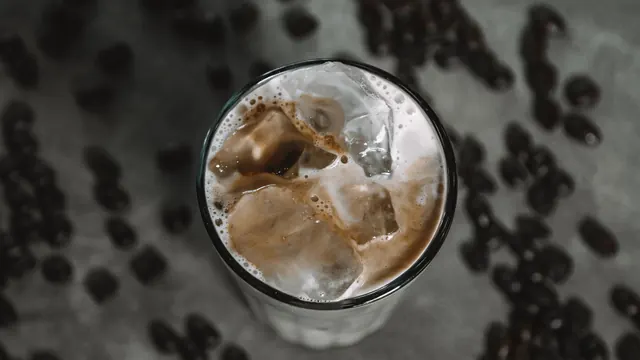 Beverages
Ready-to-drink coffee: the water has a speaking part
The coffee is unchanged, yet the plant trial tastes different. Separate hardness from alkalinity and follow the water through brewing and dilution.
Open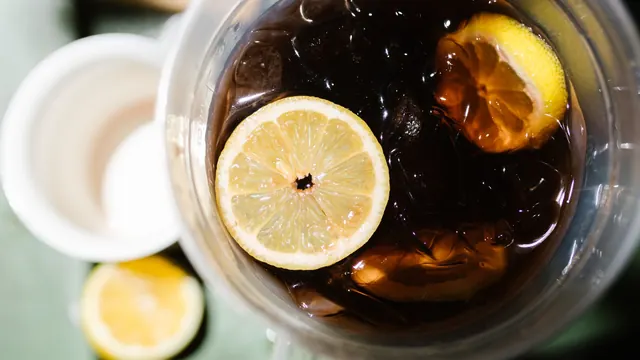 Beverages
Bottled tea: bitter or mouth-drying?
More sweetness can soften a bitter taste while leaving a drying finish behind. Give tea's taste and mouthfeel separate names before changing the brew.
Open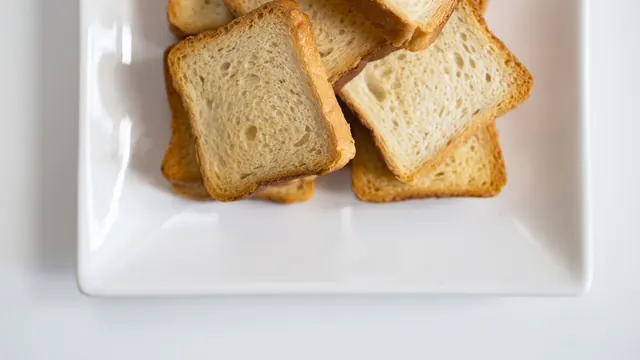 Bakery
Rusk slicing: a clean cut or a tray of crumbs?
Broken slices can begin their story before the second bake. Look at the loaf, its cooling history and the slicer together to find where the damage starts.
Open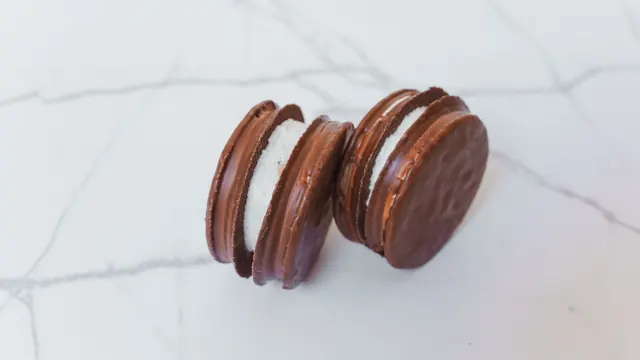 Bakery
Sandwich biscuits: the cream makes a run for the edge
A tidy cream deposit can become an untidy rim after assembly. Follow filling texture, biscuit temperature and line pressure through to the packed sandwich.
Open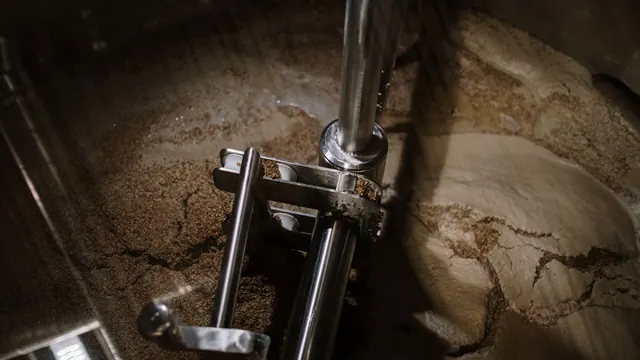 Practical
A bigger kettle does not cook like a bigger saucepan
A successful lab gravy needs a new process assessment at plant scale. Follow geometry, mixing and actual product temperatures instead of copying the laboratory clock.
Open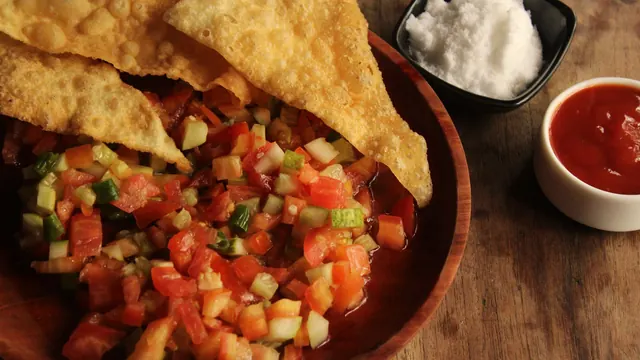 Practical
The pump that turns vegetable pieces into specks
A chunky sauce can lose its pieces between the kettle and the filler. Follow the transfer route to find where intact vegetables become fragments.
Open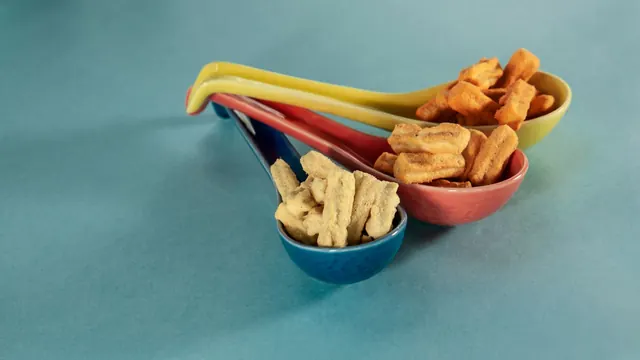 Practical
When everyone says creamy and means something different
Creamy can describe several sensations at once. Give the panel shared words for thickness, smoothness, lubrication and coating before comparing the next trial.
Open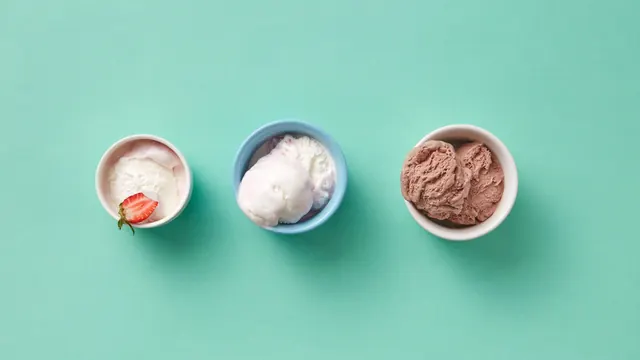 Practical
Can tasters tell the change happened at all?
Strong opinions about a reformulation need a clear question. A triangle test checks whether tasters can detect a difference, with careful preparation and a planned interpretation.
Open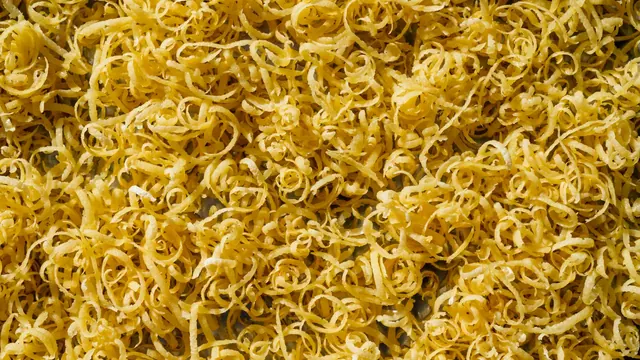 Ingredients
Sev that breaks before it reaches the fryer
Short fragments at the die can start with the dough or the equipment. Follow hydration, flow and die condition before judging the finished bite.
Open Practical
Shelf life: decide what failure looks like before waiting
A cupboard full of retained packs is only the beginning. Agree what makes the product unacceptable, how it will be measured and which conditions the study represents.
Open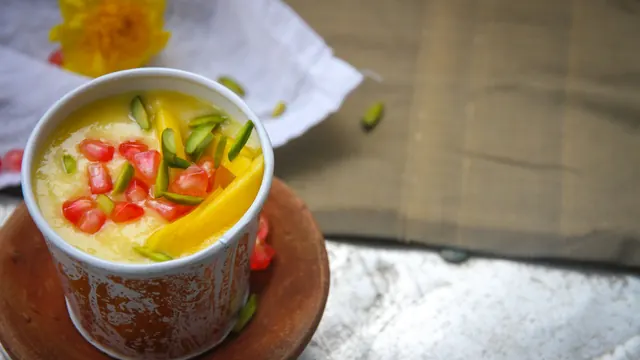 Dairy
Shrikhand that loses its spoon mark on the way to the cup
Firm in the mixer, soft at the nozzle: follow the handling journey before changing the recipe. Temperature and resting time help make the comparison fair.
Open Nutrition
Sweetness that lingers: the reduced-sugar aftertaste puzzle
Matching the first sip does not match the whole experience. Listen for sweetness onset, peak and finish when developing a reduced-sugar drink.
Open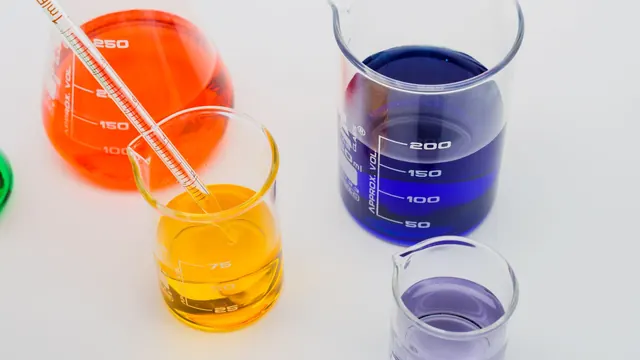 Practical
Moisture and water activity: the readings are answering different questions
Similar moisture results can sit beside different water activity readings. Understand what each test measures before asking either number to explain the whole food.
Open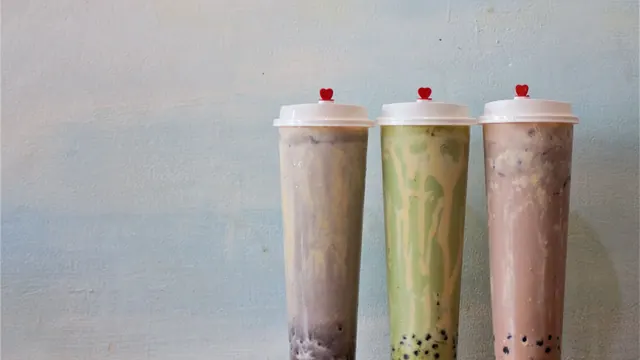 Ingredients
Alginate: a gel held together by calcium
A neat bead can hide a liquid centre. Where calcium meets alginate, and how quickly it arrives, helps determine the gel you get.
Open Beverages
The drink smells lovely in glass, then loses its top notes
Imagine a bright-smelling drink in a glass control and a quieter version in its intended pack. The missing aroma may have moved into the packaging.
Open Practical
The tasting panel that knew too much
Imagine a sample praised under an improved label, then judged less confidently behind a plain code. Expectations can arrive at the tasting bench before the food does.
Open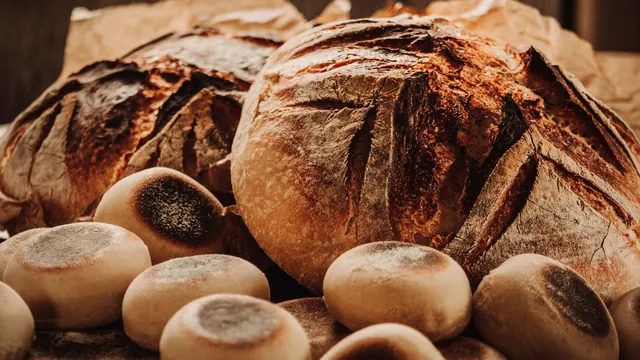 Bakery
Bread crust: brown outside does not tell the whole bake story
Picture a dark loaf beside a pale one, both from the same recipe sheet. Before turning an oven dial, look at the dough and the surface.
Open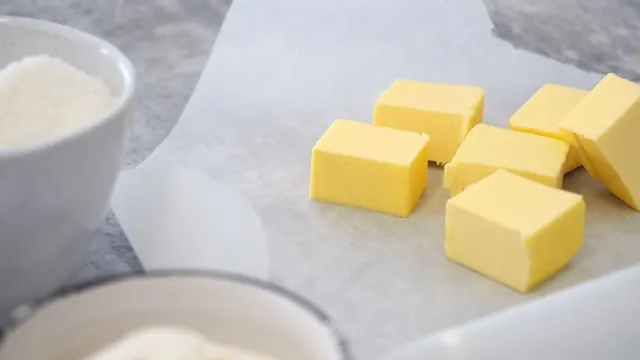 Dairy
Butter that turns greasy on the packing bench
Imagine firm butter arriving at the packing bench, then leaving oily fingerprints on every wrapper. Its temperature history has a story to tell.
Open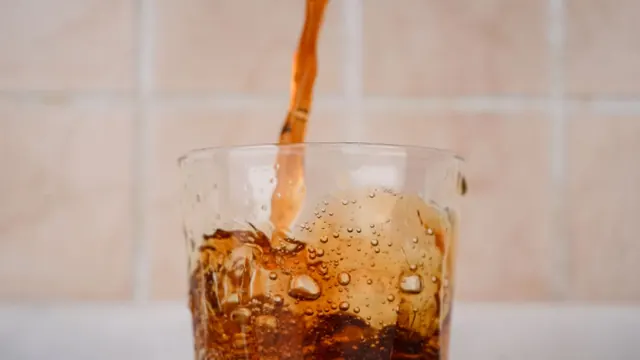 Beverages
Fizz in the tank, foam on the filling line
A lively drink belongs in the bottle. Trace temperature, pressure and product handling to understand why the fizz escapes at filling.
Open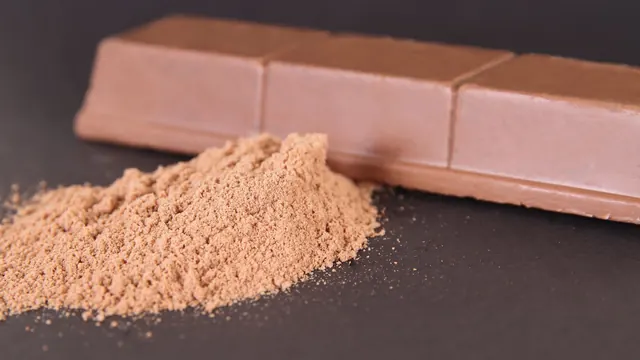 Ingredients
Carob in a cocoa-style recipe: more than a colour swap
Matching the brown shade is only the beginning. Carob brings its own sweetness, roasted character and solids to a filling or coating.
Open Dairy
Cheese that melts but refuses to stretch
Picture a development cook lifting a hot slice. The cheese has melted beautifully, but the expected pull ends almost before it begins.
Open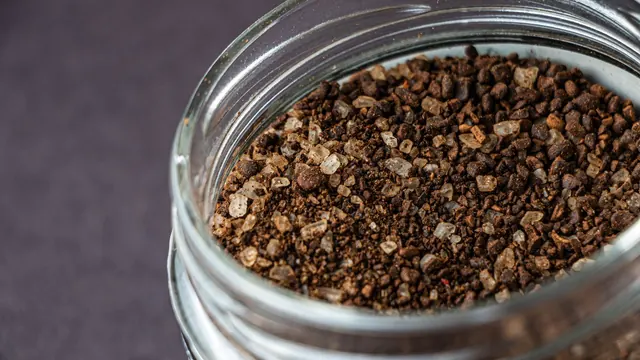 Ingredients
Chicory in the cup has its own roasted character
Roasted chicory brings aroma, bitterness and body to drinks. Compare each part of the cup in the recipe people will actually prepare and enjoy.
Open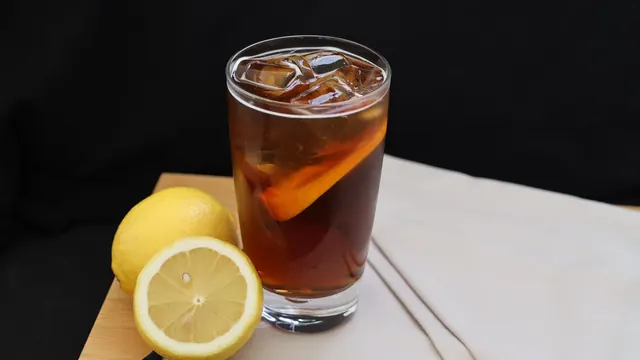 Beverages
Why clear tea turns cloudy in the fridge
A clear warm tea can turn misty as it cools. Tea components, extraction and water composition help explain what changes inside the bottle.
Open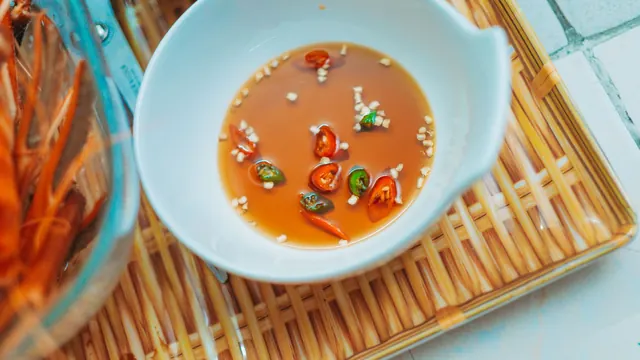 Ingredients
Chilli sauce with a different bite in every spoonful
Uneven chilli particles, oil distribution and raw-material variation can all change the heat in a spoonful. Follow the sauce from mixing to filling.
Open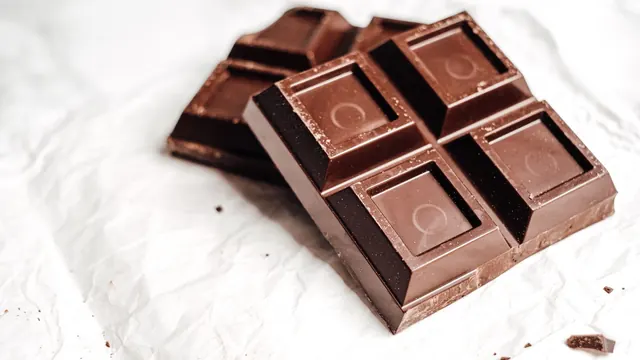 Ingredients
Chocolate bloom: the pale coat nobody ordered
A pale surface can come from moving fat or recrystallised sugar. Handling history helps tell the stories apart before the next trial.
Open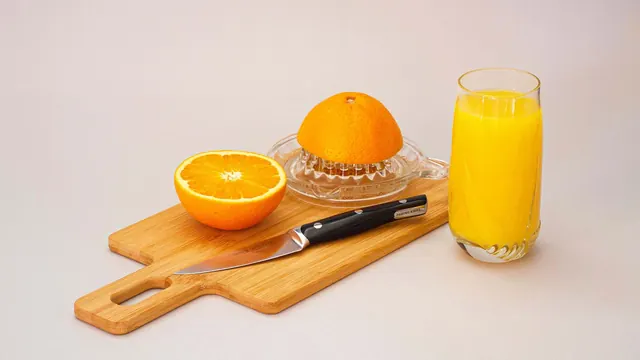 Beverages
Citrus drinks: when the peel joins the party uninvited
A lively citrus aroma can arrive with a bitter finish. Look at fruit condition, extraction and holding before reaching for extra sweetness.
Open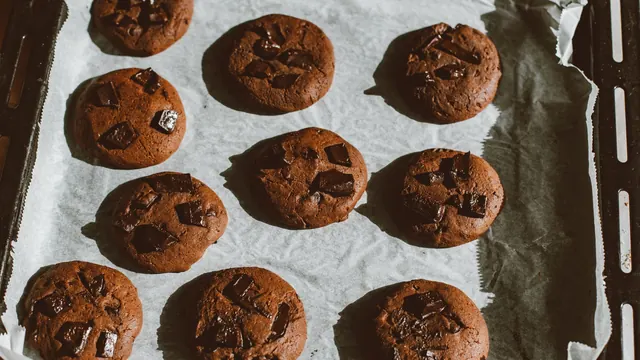 Bakery
Cookies that forget where their edges should be
When separate cookies become one sheet, follow the race between spreading dough and setting structure before changing the flour.
Open Practical
Cost in use: the saving counted twice
Imagine a purchase executive presenting a promising saving, while the plant manager traces the same product loss through different rows of the calculation.
Open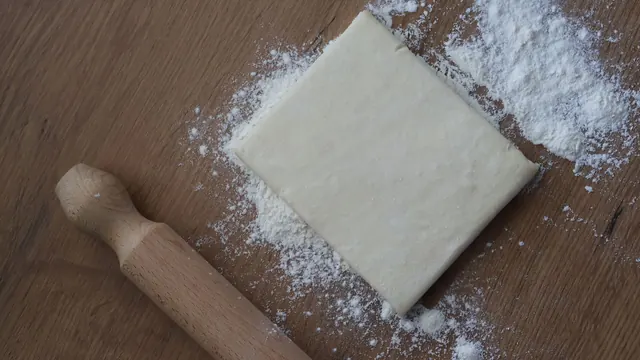 Bakery
Cracker dough that keeps springing back
Imagine a sheeting operator watching a neat ribbon of cracker dough shrink before it reaches the cutter. The dough has remembered its old shape.
Open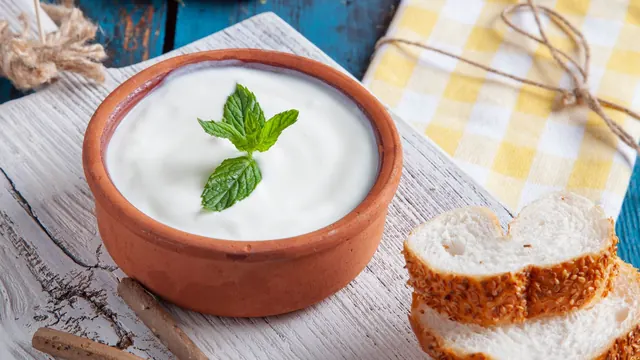 Dairy
The dahi that keeps getting tangier
The fresh cup tastes just right, but the retained sample grows sharper. Follow the cultures, cooling and cold storage to understand why.
Open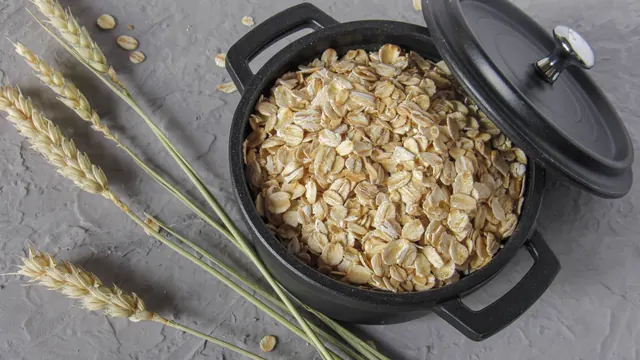 Nutrition
Fibre is not one thing in a bag
A fibre change can alter water handling, texture and bite. Look beyond soluble and insoluble labels to understand what the ingredient does in your food.
Open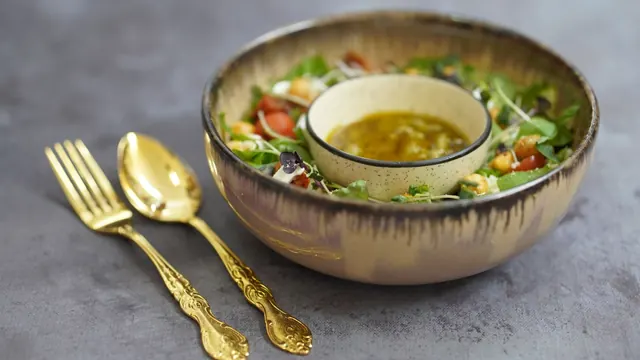 Ingredients
Same pH, different sourness: the dressing tasting puzzle
Imagine matching pH readings beside dressings that taste very different. The meter and the tasting panel are answering different questions.
Open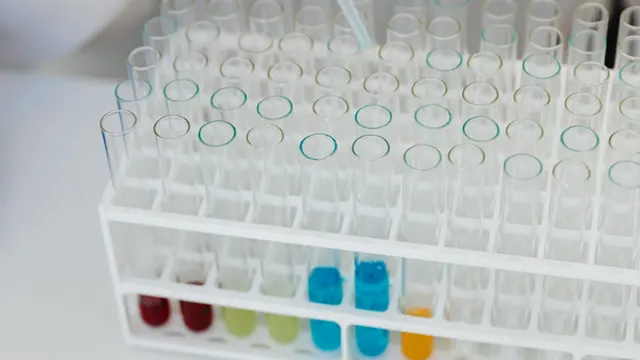 Ingredients
Enzyme activity: why the bag weight cannot tell the whole story
Equal bag weights do not guarantee equal enzyme performance. Read the activity result together with its test method, then check the intended food process.
Open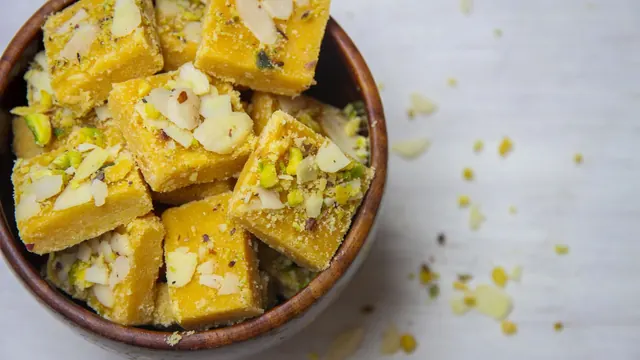 Ingredients
Fudge with an unexpected crunch
Fine sugar crystals give fudge its inviting texture. Follow dissolving, cooling and agitation when a smooth-looking piece develops a sandy bite.
Open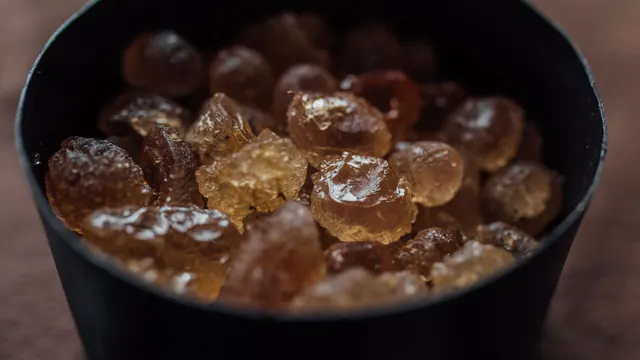 Ingredients
Gum arabic: giving flavour droplets a protective coat
Imagine a pourable powder carrying the aroma of a flavour oil. Gum arabic can help that oil travel through emulsification and drying into a useful ingredient.
Open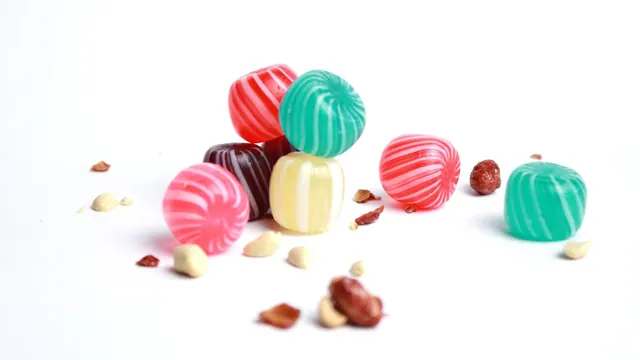 Ingredients
Hard sweets that turn from glassy to grainy
Imagine a confectionery operator holding a clear sweet up to the light. A dull patch has appeared inside, and the familiar snap now feels crumbly.
Open Practical
Reading a specification and the promise behind typical
A typical value describes expected behaviour. Clear acceptance requirements need agreed wording, units, methods and a controlled specification version.
Open Practical
One borrowed scoop, one ingredient-store headache
Allergen controls can unravel between an open bag and a shared utensil. Make storage, dispensing and handovers easy to follow and trace.
Open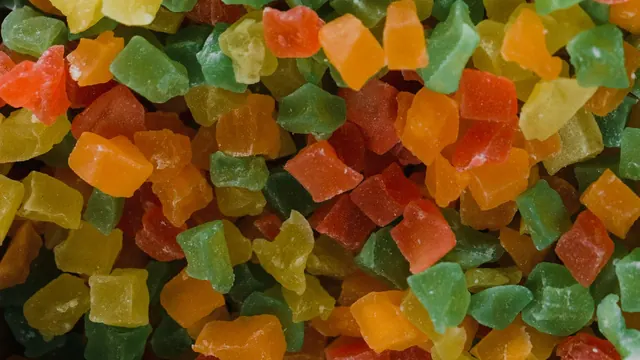 Ingredients
Jelly sweets with sticky jackets
A sweet can hold its shape and still cling to its wrapper. Separate surface moisture, conditioning and packaging from the strength of the gel inside.
Open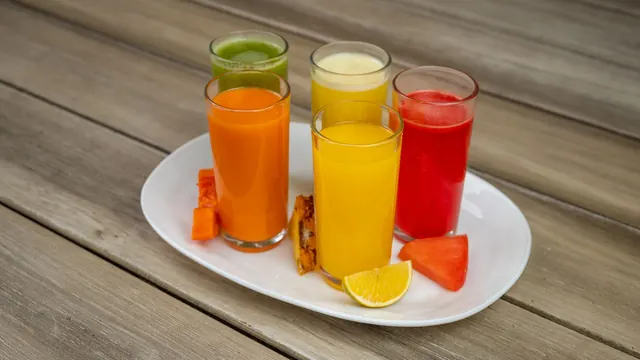 Beverages
Brix: the reading that gets mistaken for sugar
Picture a beverage QA lead testing drinks with matching refractometer readings. One tastes bright and sharp, while the other seems noticeably sweeter.
Open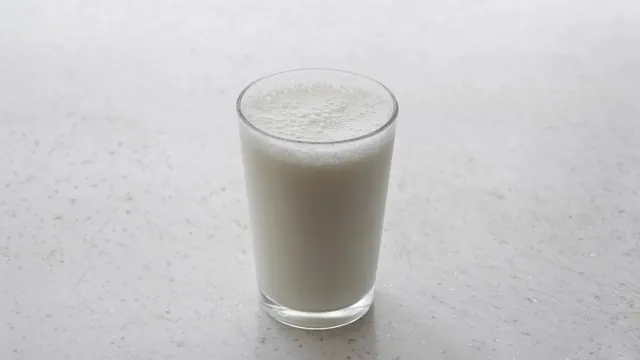 Ingredients
Why lactase-treated milk can taste sweeter
Lactase splits lactose into glucose and galactose, changing perceived sweetness. The reaction, the flavour and the product claim each need the right checks.
Open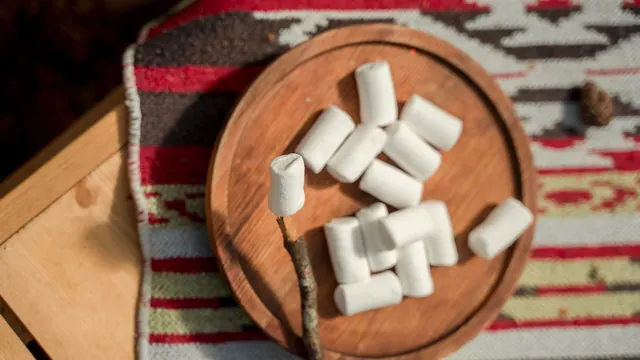 Ingredients
Marshmallows that cannot hold their puff
Picture a tray of proudly puffed marshmallows settling into flatter shapes. Getting air into the mixture and keeping it there are different jobs.
Open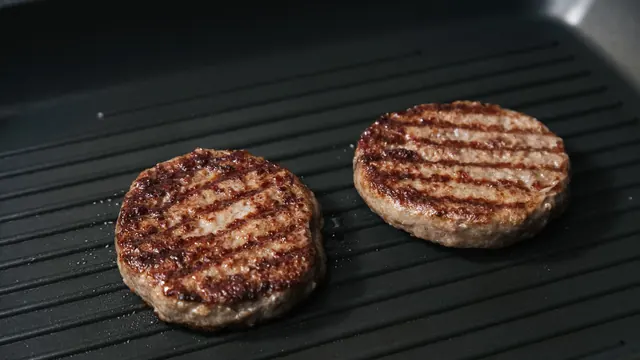 Ingredients
The meat patty that shrinks away from its bun
A smaller cooked patty can reflect both shape change and cooking loss. Measure the bite, dimensions and mass under the same cooking conditions.
Open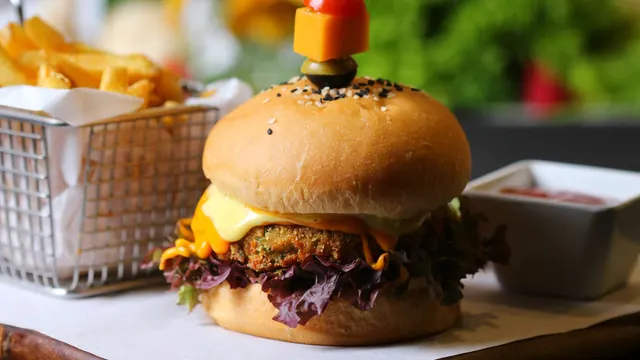 Ingredients
Methylcellulose: the gel that firms up when heated
Imagine a plant-based food developer watching a soft mixture firm up on the hotplate. This gel builds structure as it heats, then changes again as it cools.
Open Nutrition
Mineral fortification with a metallic aftertaste
A formulation can meet its paper target and still leave an awkward finish. Compare mineral form, the food around it and flavour through storage.
Open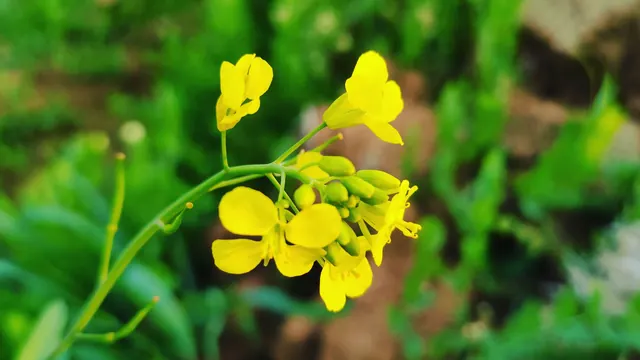 Ingredients
Mustard dressing: why the sharp bite changes after mixing
Picture a dressing developer tasting freshly mixed mustard, then returning to a sample with a different bite. The flavour has kept working after the mixer stopped.
Open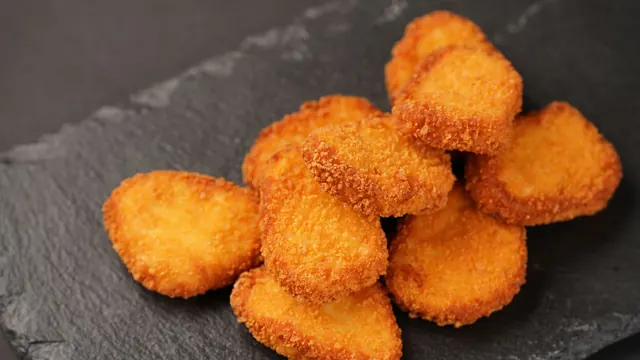 Ingredients
Nugget coatings that leave their jackets behind
Imagine lifting a cooked nugget and finding its crisp shell still in the basket. Coating adhesion depends on the connections between several layers.
Open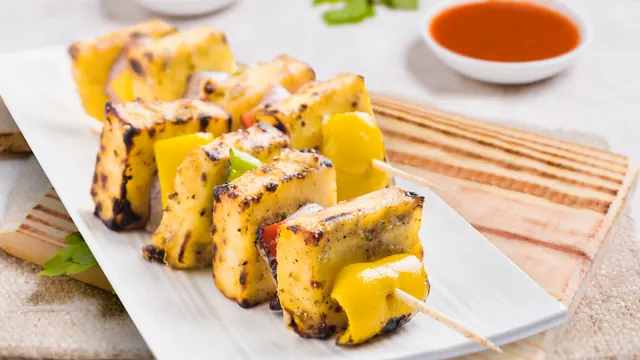 Dairy
Paneer that squeaks when you wanted a soft bite
A neat cube can still have the wrong bite. Follow the milk, curd and pressing steps to find where paneer becomes too firm.
Open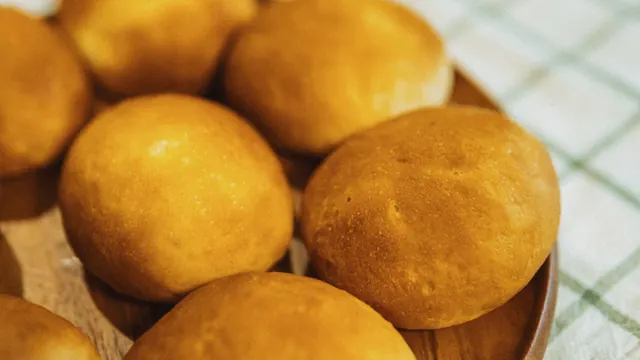 Bakery
Pav that rises proudly, then sits down
When tall pav sags before baking, follow the dough from mixing to oven entry. Gas production and the strength to hold it need to work together.
Open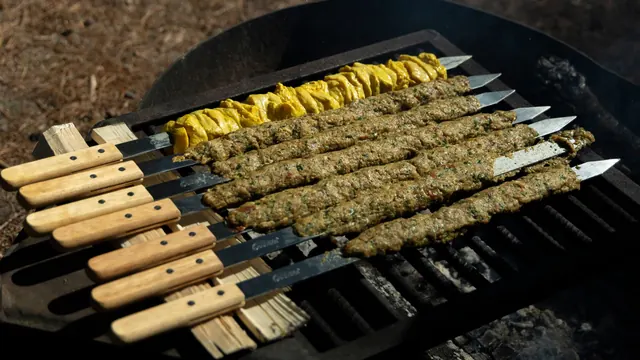 Ingredients
The plant-based kebab that falls off the skewer
A mixture that moulds beautifully can still break during cooking. Follow hydration, binding and particle contact to build a kebab with a satisfying bite.
Open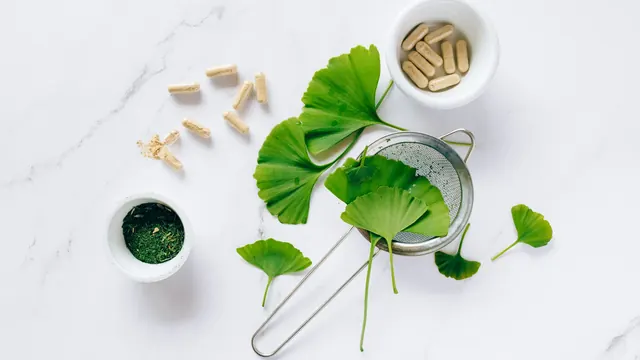 Ingredients
Plant extract formats: what else came with the botanical?
Picture an R&D lead replacing a liquid plant extract with a powder. The botanical name is familiar, but the flavour arrives differently and the mixing step needs attention.
Open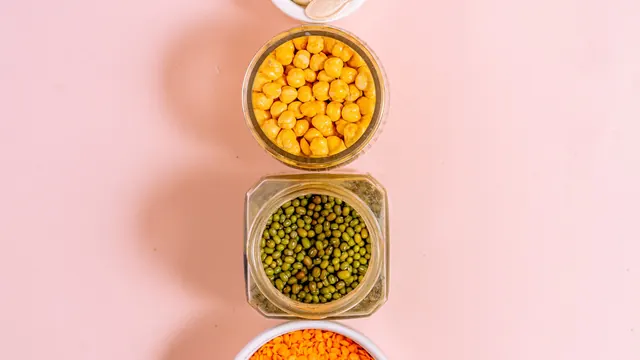 Nutrition
Protein blends: putting the amino acid pieces together
Protein content is only the opening number. A useful plant protein blend also needs the right amino acid evidence, processing behaviour and eating quality.
Open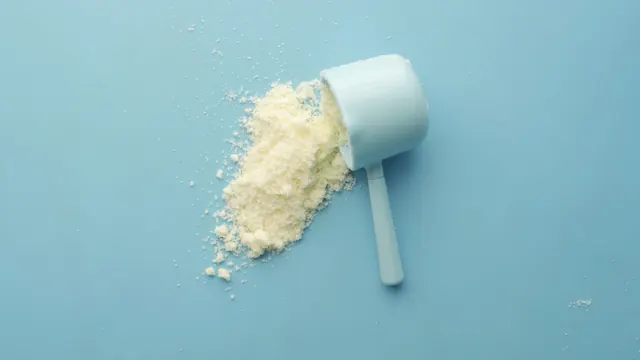 Ingredients
Plant protein flour, concentrate or isolate: unpack the names
Imagine several plant protein specifications on a purchase desk. The highest protein figure catches the eye, but it cannot choose the best ingredient for the food.
Open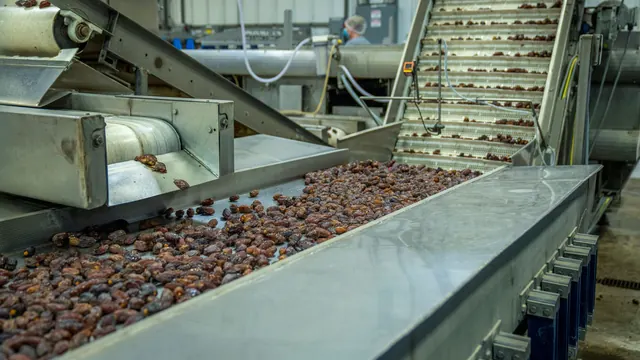 Practical
A plant trial judged by the wrong spoonful
Samples from the same run can tell different stories. Map where and when you collect them before deciding what the trial proved.
Open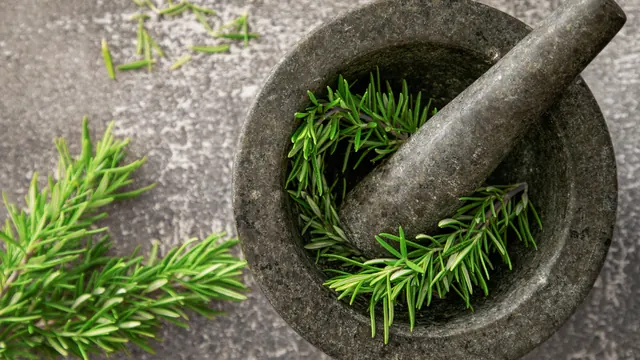 Ingredients
Rosemary extracts: helping fats keep their flavour
An antioxidant can help slow flavour damage in fats, but the extract, food, pack and storage conditions need to work together.
Open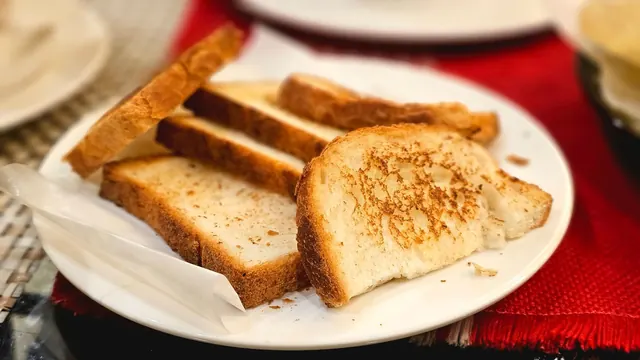 Bakery
Rusk with a golden edge and a pale middle
A handsome surface can hide a soft centre. Slice thickness, crumb structure and oven loading help explain an uneven second bake.
Open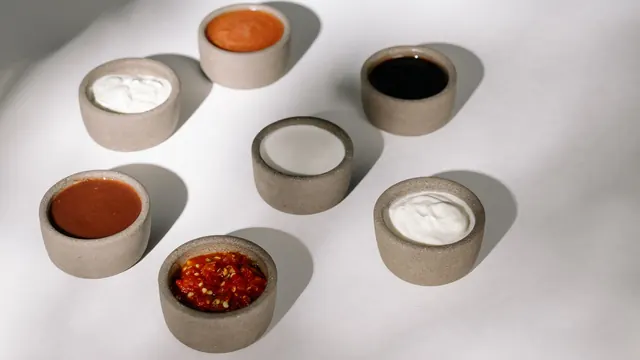 Ingredients
The sauce skin that sneaks in during holding
A smooth sauce can grow a thin surface film while it waits. Check evaporation and holding conditions before blaming powder dispersion.
Open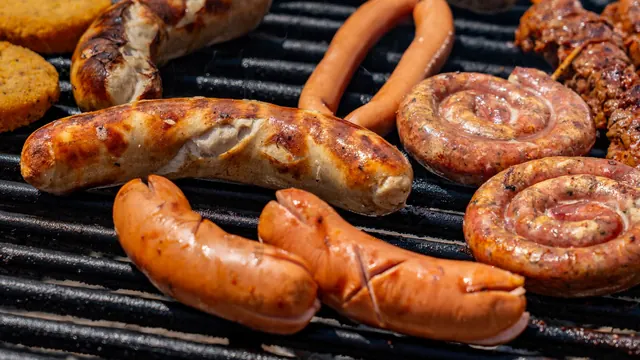 Ingredients
Sausages with little pockets of escaped fat
Imagine a meat QA lead cutting a cooked sausage and finding glossy pockets where the slice should be even. The fat has found somewhere else to gather.
Open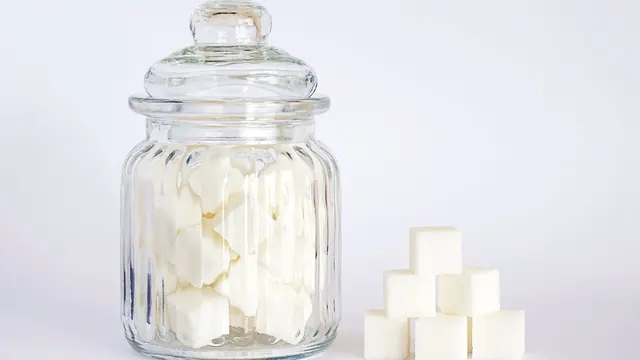 Nutrition
Taking sugar out leaves more than a sweetness gap
Picture a nutrition developer matching the sweetness of a sweet, then discovering that its body and bite have disappeared. Sugar was doing several jobs at once.
Open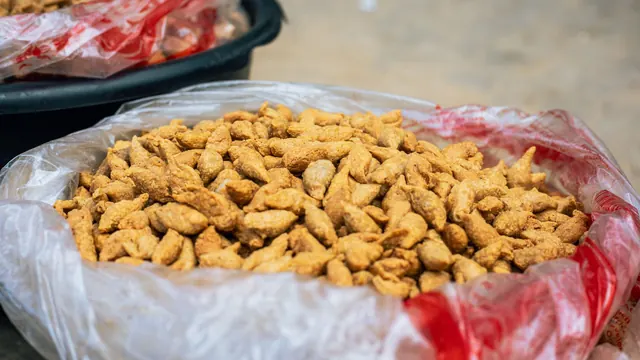 Ingredients
Plant protein chunks: tender inside or chewy all the way?
A chunk can look hydrated while its centre stays firm. Follow water uptake, draining and cooking separately to build the bite you want.
Open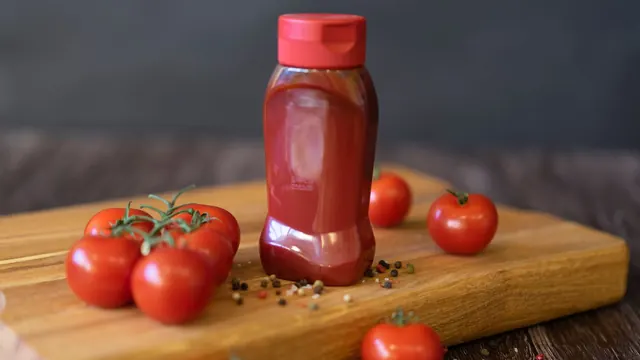 Ingredients
Tomato sauce that tastes more cooked than tomato
The kettle sample can taste bright while the packed sauce tastes tired. Trace the full heating journey before changing the flavour blend.
Open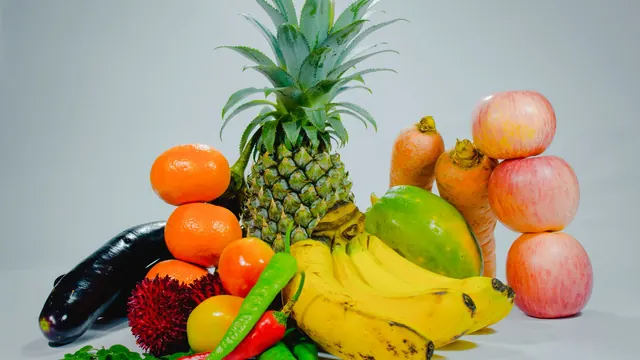 Nutrition
Vitamins in the recipe, vitamins at the end of storage
Imagine a fortification sheet that looks complete until the QA lead asks what remains after processing and storage. The packed food needs its own evidence.
Open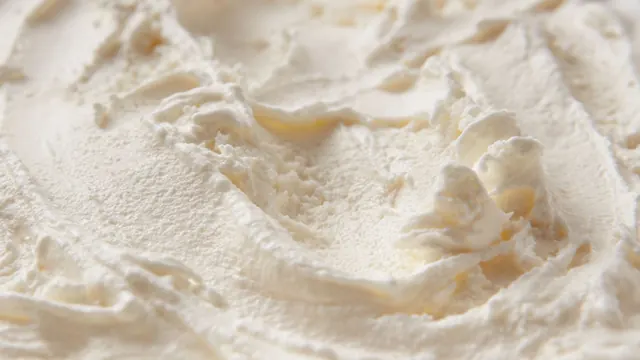 Dairy
When whipped cream turns from fluffy to grainy
A smooth swirl can turn rough in a moment. Follow the air, fat and temperature to find a whipping endpoint that works beyond the mixing bowl.
Open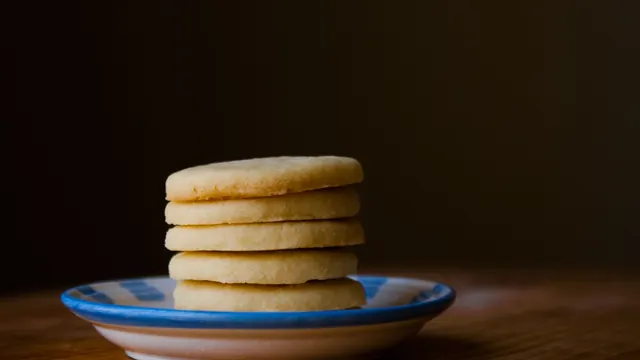 Bakery
Biscuit checking after baking: why fine cracks appear
Fine cracks that develop after baking can be checking. Investigate internal moisture differences and the time of failure before blaming handling damage.
Open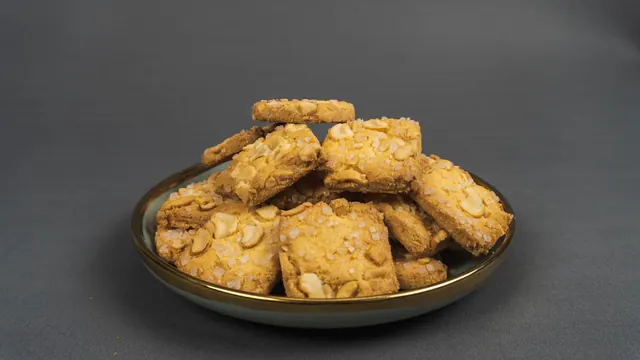 Bakery
Biscuits losing crispness: include the pack in the trial
Moisture uptake can change the texture of biscuits and puffed snacks. Compare the formulation and packaging together when investigating loss of crispness.
Open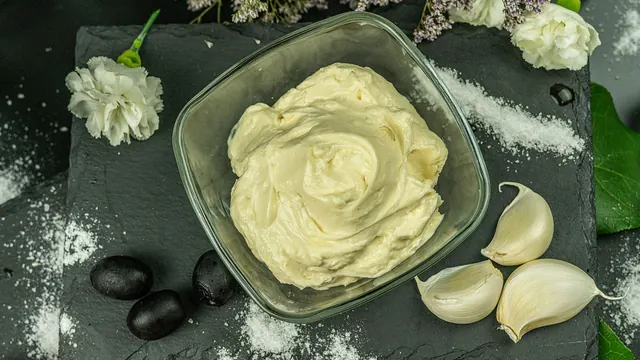 Ingredients
Eggless mayonnaise: test the emulsion as well as the texture
A thick eggless mayonnaise still needs a stable emulsion. Examine oil separation, spreadability and storage behaviour together when comparing formulations.
Open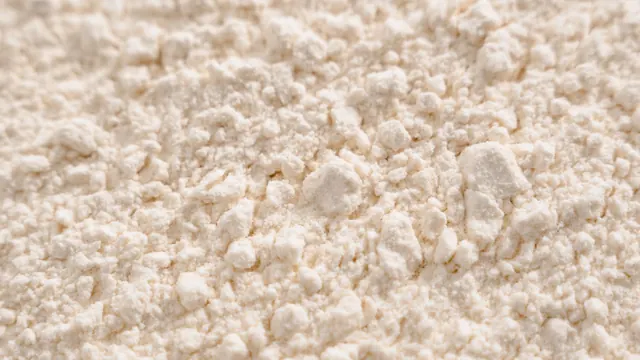 Practical
Powder caking: investigate the storage history
Caking is a change in powder handling behaviour. Compare storage exposure and material identity before assuming that every lump has the same cause.
Open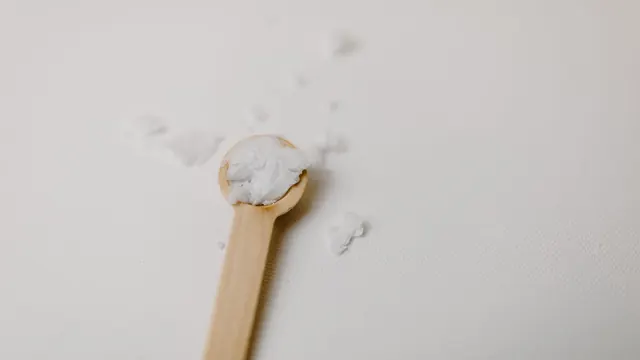 Practical
Powder reconstitution: wetting is not dissolving
A powder has to wet, sink, disperse and reconstitute. Identify the failing step before changing the mixer or rejecting an ingredient.
Open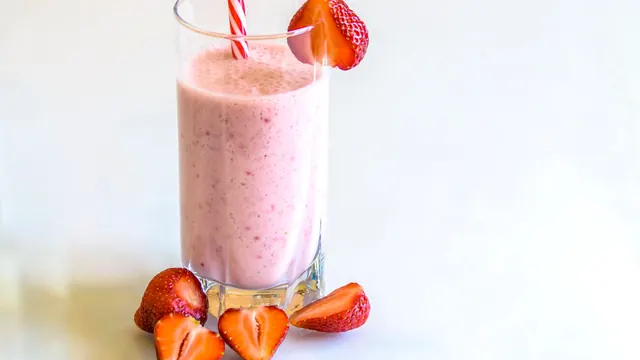 Beverages
Protein drink trials: check heat, pH and shear together
A protein drink can change during processing even when its ingredient list stays the same. Investigate pH, heat history and shear as a connected system.
Open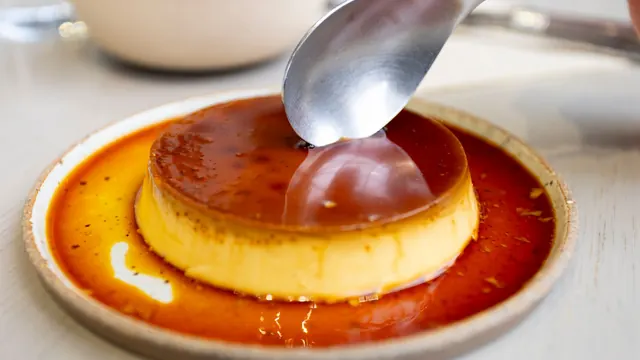 Ingredients
Changing sugar changes how starch cooks
Sugar type and concentration can change starch gelatinisation and pasting. A sweetness adjustment deserves a fresh texture and process trial.
Open Ingredients
Vegetable biopolymers: test emulsion function in the food
Vegetable-derived biopolymers can behave differently in emulsions. Source, processing and pH deserve a place in the trial plan.
Open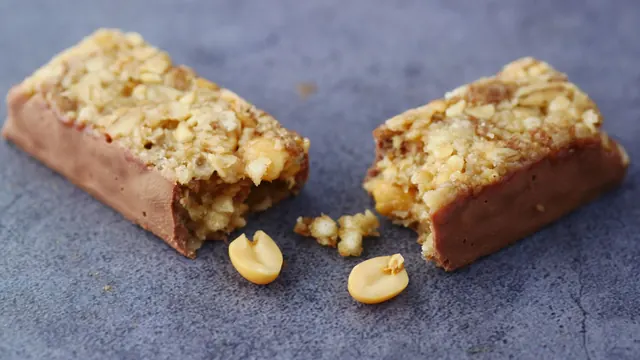 Nutrition
Why protein bars harden during storage
Protein bar hardening can involve moisture changes, oxidation and protein aggregation. A soft bar on the day of manufacture is only the starting point.
Open Ingredients
Xanthan viscosity: why the test method matters
Xanthan is shear thinning. Compare samples at matched temperature, shear conditions and preparation history before calling one thicker than another.
Open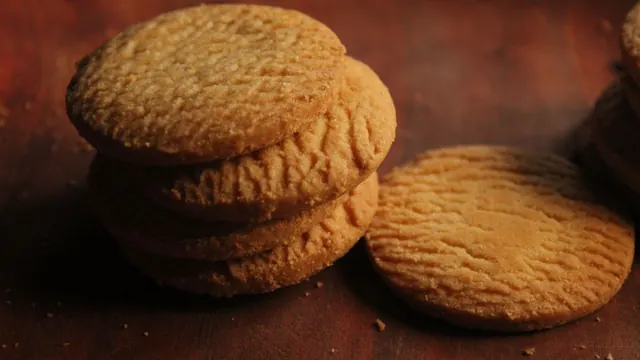 Bakery
Acrylamide in biscuits: where asparaginase works, and where it struggles
Asparaginase removes one of the two ingredients acrylamide is made from, while leaving colour largely unchanged in the studies. Research shows it works well in some doughs and barely at all in others.
Open Dairy
Carrageenan in milk drinks: kappa, iota and the casein connection
Carrageenan behaves differently in milk than in water because it interacts with casein. The same interaction explains why the wrong type, or too much, can turn a drink into a gel on the shelf.
Open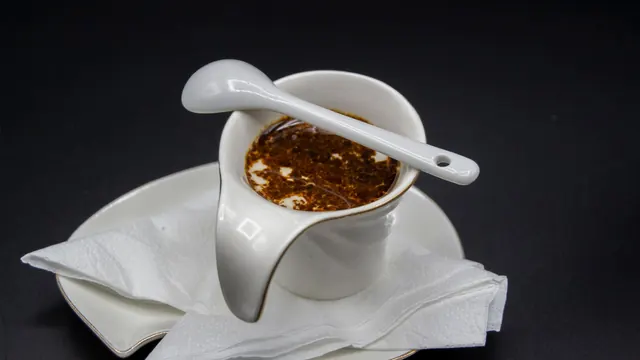 Ingredients
Freeze-thaw stability: why frozen sauces and gravies weep water
A sauce that looks perfect before freezing can thaw into a watery, spongy mess. Starch is usually the reason, and the research shows which gums help, and when they do not.
Open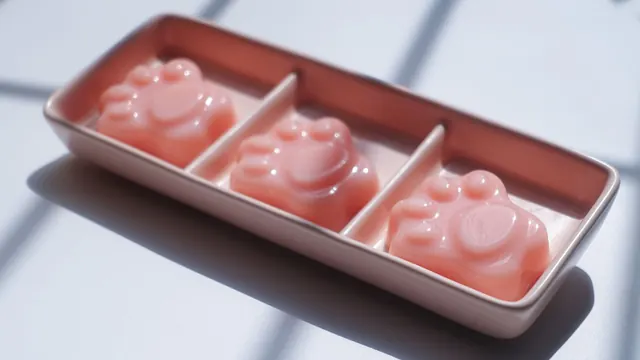 Ingredients
Gellan gum: why high acyl and low acyl behave like two different ingredients
Gellan comes in two forms that set in different ways and give opposite textures. Knowing which one a product needs, and how ions and pH steer it, saves a lot of failed trials.
Open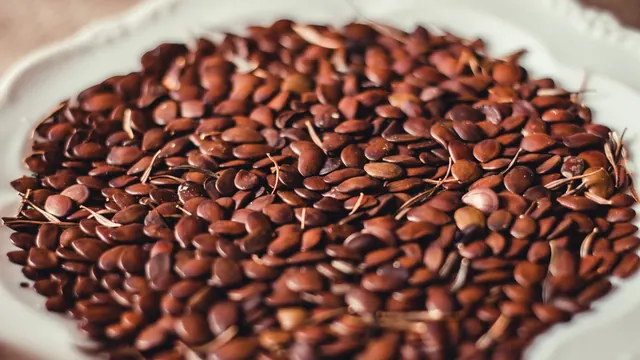 Ingredients
Looking for a locust bean gum alternative? Start with the job it was doing
Locust bean gum earns its place through its synergy with other gums and how it behaves in frozen desserts. The right alternative depends on which of those jobs you need to replace.
Open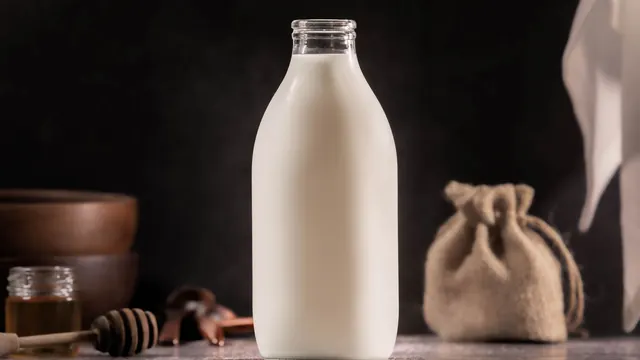 Beverages
High-protein and flavoured milk drinks: is it sediment, gel or cream?
Milk drinks can fail on the shelf in three different ways. Each has its own causes, so naming the defect correctly is the first step to fixing it.
Open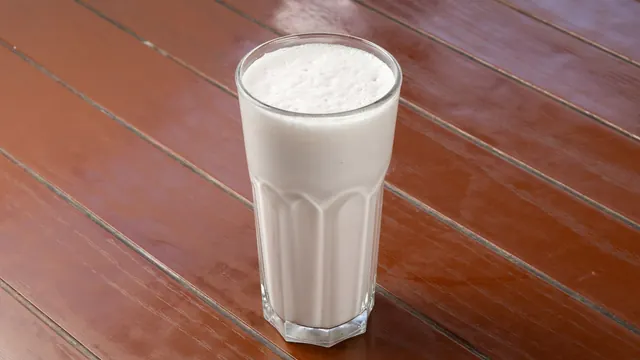 Dairy
Pectin in lassi and acidified milk drinks: why pH decides whether it works
High methoxyl pectin keeps acidified milk drinks smooth by coating the casein particles. Research shows why it only works within a pH window, and why most of the pectin added never touches the protein.
Open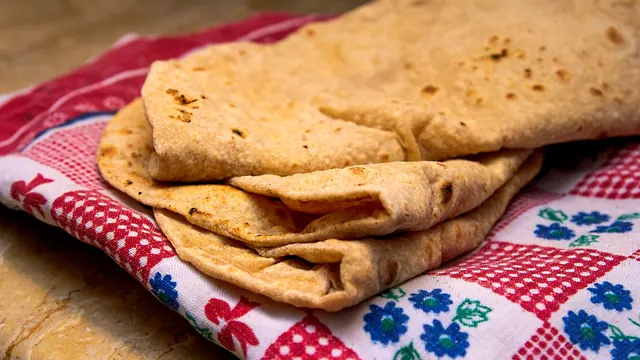 Bakery
Why chapatis turn hard and leathery, and what slows it down
A chapati is at its best minutes after it leaves the tawa. Research on stored and ready-to-eat chapatis shows what happens as it hardens, and which ingredients and enzymes keep it soft for longer.
Open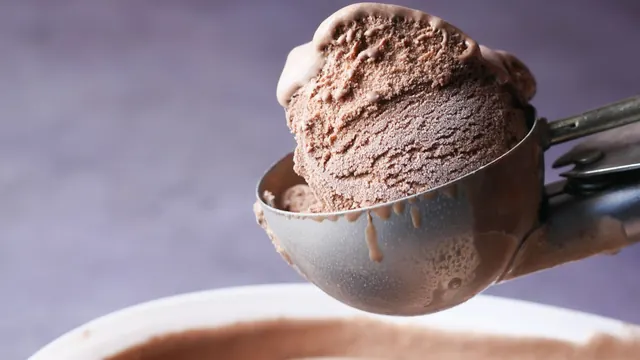 Dairy
Why ice cream turns icy in storage, and what stabilisers really do about it
Ice cream that leaves the factory smooth can be coarse and icy by the time it is eaten. The cause is ice crystals growing in storage, and research shows stabilisers slow that in more than one way.
Open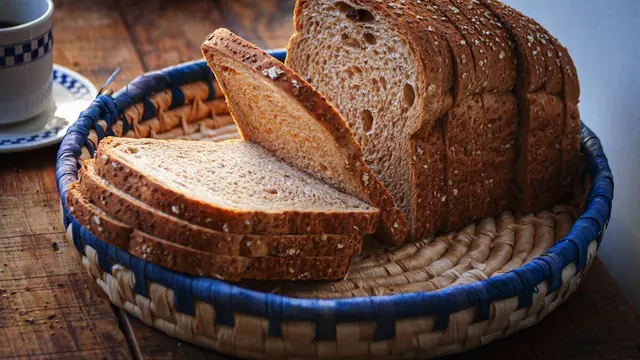 Bakery
Xylanase in whole wheat bread: what it does to the fibre, and why the type matters
Whole wheat flour keeps the bran and with it more arabinoxylan fibre, which holds water the gluten needs. Xylanase frees that water, but research shows that which xylanase, and when it acts, changes the result.
Open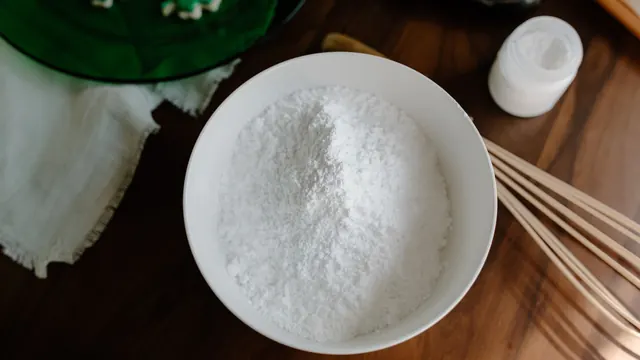 Ingredients
Thicken or gel: choosing a hydrocolloid by what it has to do
Gums and gelling agents are often chosen by habit. Starting from the function, and from the conditions the product will see, narrows the choice much faster.
Open Practical
Price per kilo or cost in use: comparing ingredient offers properly
Two offers for the same function can differ in dose, losses and handling. A worked example of why the cheaper kilo is not always the cheaper product.
Open Market
Buying through a distributor or importing directly: what actually differs
The price per kilo is the most visible difference, and often the least important one. A fair comparison of what each route asks of a food manufacturer.
Open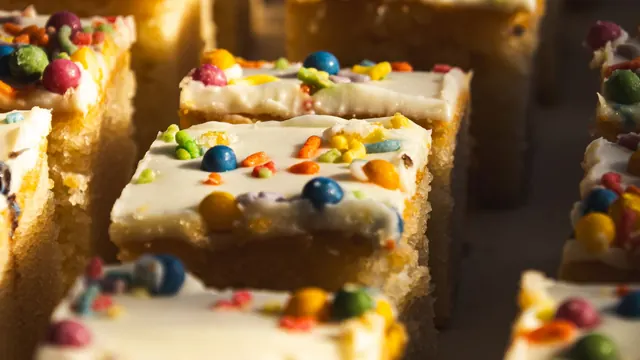 Bakery
Eggless cakes: why one egg replacer is rarely enough
Egg does several jobs in a cake at once. Published research on eggless cakes points to replacing those jobs as a system, and testing each part on its own.
Open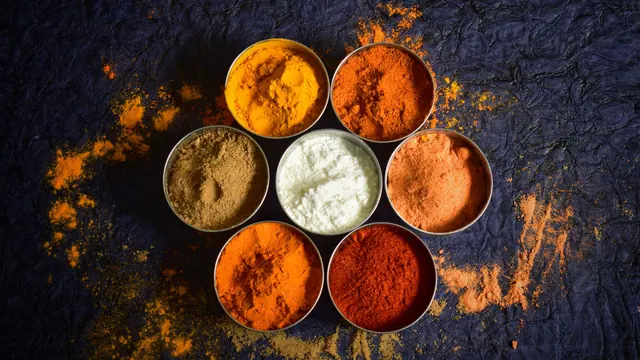 Ingredients
Natural colours from plant extracts: why they fade, and what to check
Moving to colours from natural sources changes more than the label. Each pigment group has its own weak point, and the product decides which one matters.
Open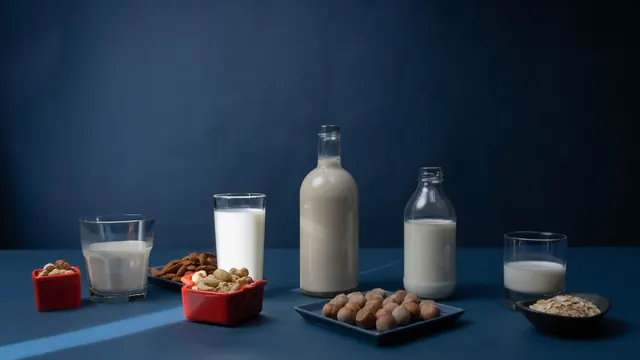 Beverages
Plant-based drinks: why they turn chalky or settle
A plant-based milk is a suspension and an emulsion at the same time. Research points to three things that decide whether it stays smooth in the pack.
Open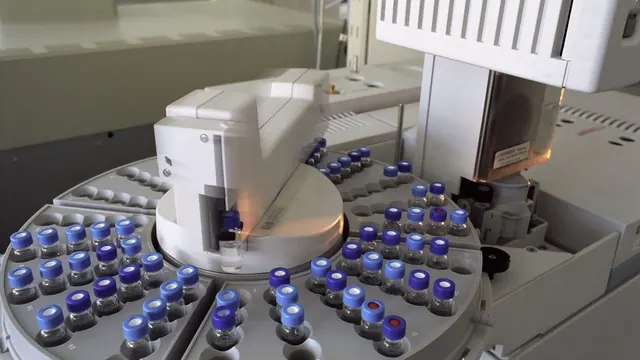 Nutrition
Why a protein figure depends on a conversion factor
Most protein results are nitrogen results multiplied by a factor. Which factor was used can move the figure by several percent, which matters when comparing specifications.
Open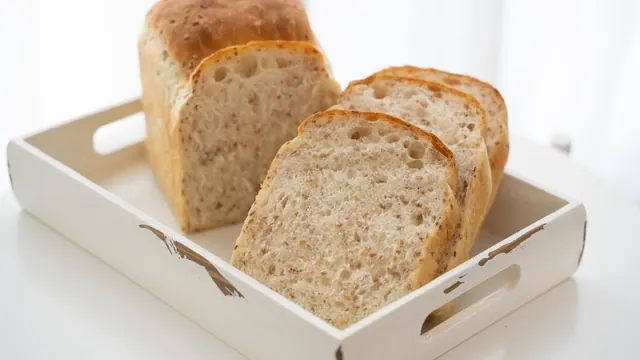 Bakery
Why bread goes stale, and how enzymes slow it down
Staling is not simply bread drying out. What happens to starch in the crumb explains why anti-staling enzymes work, and what they cannot do.
Open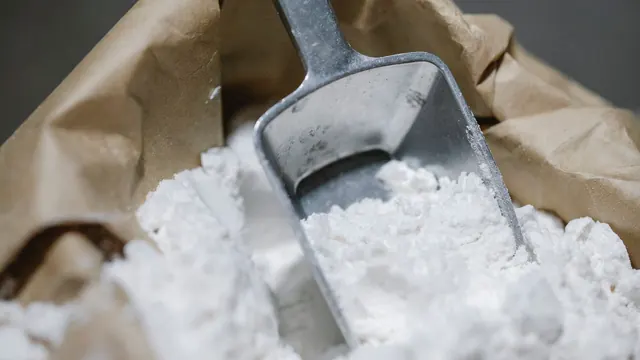 Ingredients
Why modified starches exist: what native starch cannot do
Native starch thickens well until it meets shear, acid, freezing or time on the shelf. Each common type of modification answers one of those limits.
Open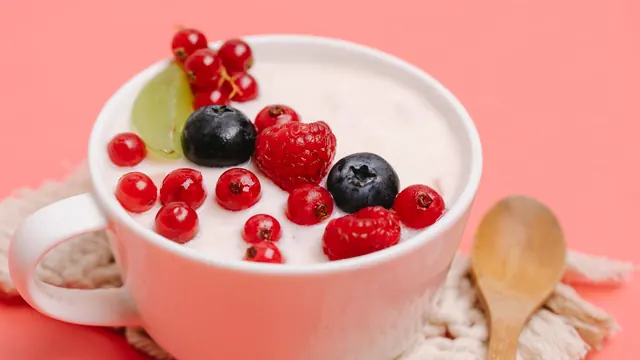 Dairy
Why yoghurt wheys off, and what to check before adding stabiliser
Whey pooling on yoghurt is one of the most visible texture defects. Research points to the milk base, heat treatment, fermentation and cooling as much as the stabiliser.
Open People
Dipan Dalal: twenty-five years of building ingredient businesses
A career that runs from entrepreneur to regional leadership across Asia-Pacific, and what that range brings to the way SpecSol is built.
Open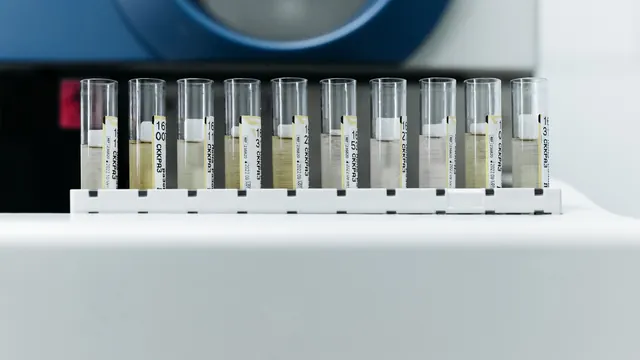 Market
What to expect from an ingredients partner, and how to evaluate one
Distribution in speciality ingredients ranges from moving boxes to solving formulation problems. The difference shows up in specific, checkable ways.
Open People
Mitesh Jobalia: building business through long-term relationships
Twenty-one years in ingredient distribution, and why the accounts that last are built on business understanding and trust, with technical depth behind them.
Open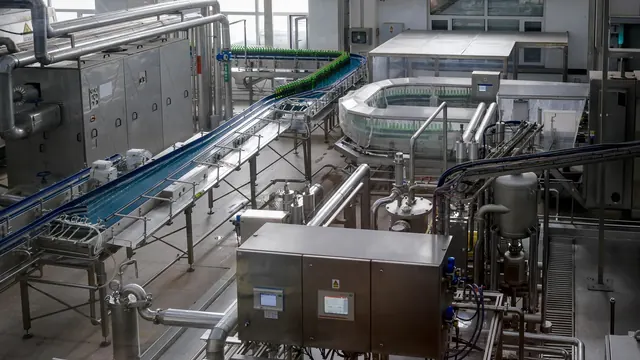 Practical
Running a plant trial that produces a result you can act on
Most inconclusive trials were designed to be inconclusive. A few decisions taken before the line starts determine whether the result can be attributed to anything.
Open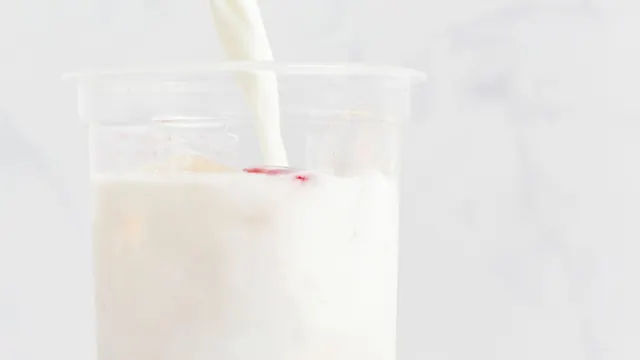 Dairy
Standardising milk: the arithmetic behind the Pearson square
How the Pearson square works, a worked example you can check by hand, and the limitation that catches people when two components matter at once.
Open People
Vinit Dalal: the commercial relationships behind reliable supply
Fifteen years across sales, principal management and supply chain, and why trust on both sides of distribution is what makes a commercial promise hold.
Open Practical
What a certificate of analysis does and does not tell you
A COA confirms that one batch met the agreed specification on the day it was tested. It is routinely asked to answer questions it was never designed to answer.
Open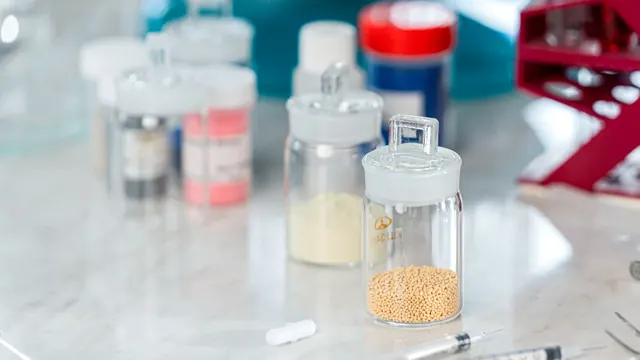 Practical
What a technical sample request should contain
Most sample requests cannot be answered well, because they describe a product rather than a problem. Here is what to send so the first trial is worth running.
Open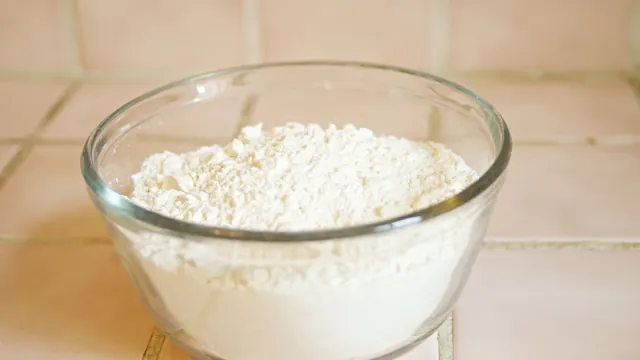 Bakery
Why bakery formulas are written on flour
Baker's percentage is the one convention that makes bakery formulas portable between a test bench and a plant. Here is how it works, and the arithmetic that scales it.
Open Dairy
Why dairy beverages separate, and what to check first
A cream layer, a sediment and a banded bottle have different causes. Identifying which one you have is the step most often skipped.
OpenAsk anything. Get an answer in seconds.
Specsy is SpecSol's AI ingredient buddy. It knows every ingredient, tool and article on this site, and can pass your question straight to the technical team.