

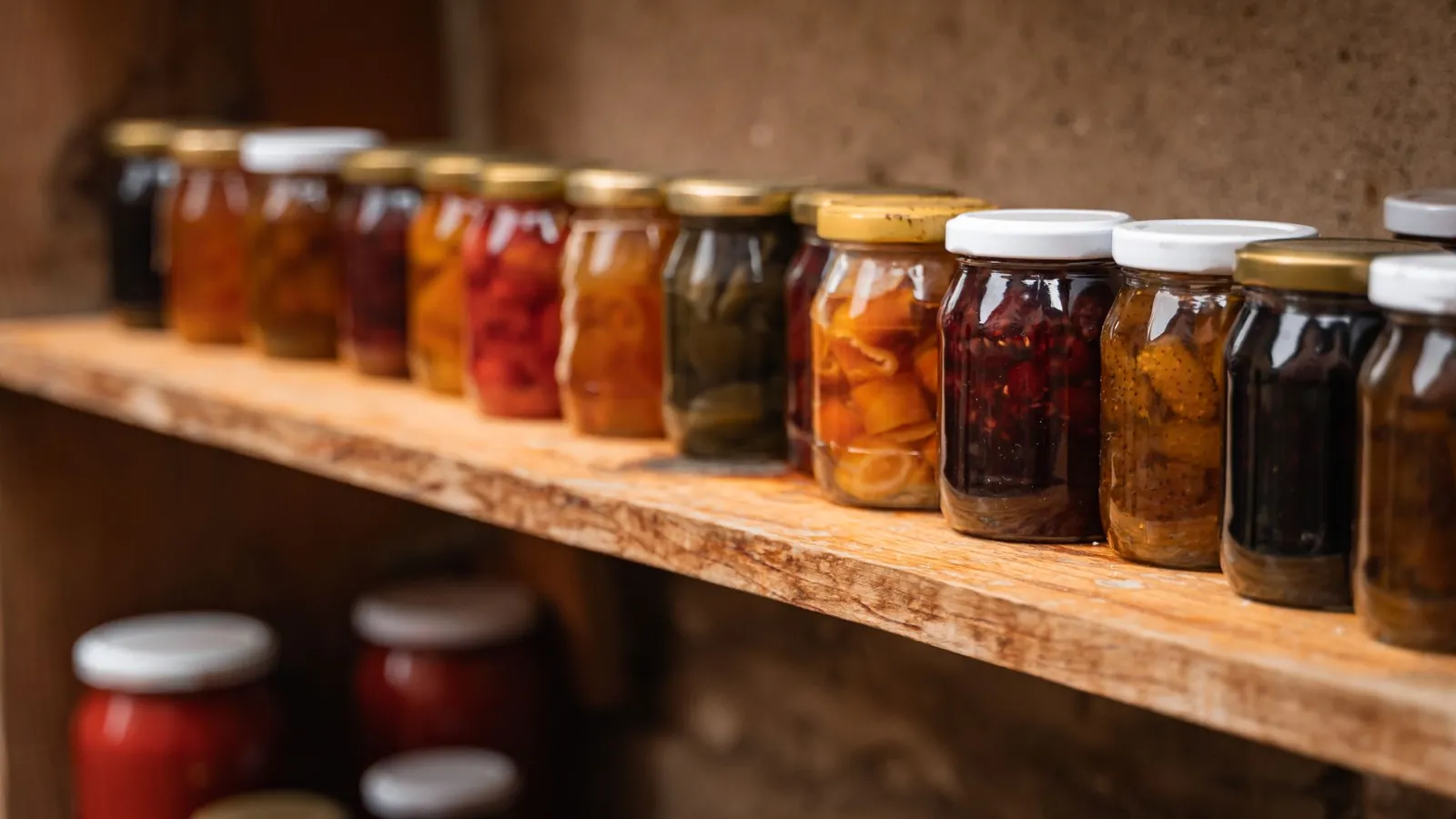
Picture a QA lead opening the first shelf-life review. Retained packs are neatly labelled, the cupboard is organised and everyone has brought a notebook. Then comes a simple question: what would make this product fail? One person mentions flavour. Another says separation. Someone else asks whether either has an agreed acceptance criterion.
The samples are ready, but the study is missing its decision rules. Waiting produces older food. A useful shelf-life study produces evidence against a defined brief. Agreeing that brief before the first pack goes into storage helps the team avoid moving the finish line when results become inconvenient.
Describe failure in terms the team can use
Start with the product as it will be sold and eaten. Which changes would make it unacceptable? A crisp snack may lose its crunch. A beverage may develop an unwanted sediment. A spread may show oil separation or an off flavour. Different foods need different observations.
Group the relevant changes into sensory, physical, chemical and microbiological endpoints. Sensory endpoints concern the eating experience. Physical endpoints describe changes such as texture or separation. Chemical measurements can follow relevant deterioration, while microbiological examination addresses organisms important to the product and its controls.
Select measurements because they answer a product question, not because an instrument happens to be available. Define the method and the acceptance criterion in advance. A note saying looks fine is difficult to repeat. A defined assessment against an agreed reference is much easier to interpret.
Quality and safety need distinct decisions
A product can become unpleasant before it becomes unsafe, and unsafe food need not announce itself through appearance or smell. A quality tasting cannot replace safety assessment. The study needs input from the responsible food safety and technical team to establish appropriate microbiological work and process evidence.
Do not taste samples that have not been cleared for sensory evaluation under the study procedure. Unexpected swelling, leakage or other deviations belong in the site's assessment process. Curiosity about the flavour is not a reason to bypass the conditions set for handling retained food.
Likewise, a satisfactory result from a selected test does not establish every aspect of safety. Interpret results within the complete product, process and packaging system. Keep the quality acceptance decision and safety justification clearly documented so that neither is silently used as a substitute for the other.
Choose samples that represent the real product
Use representative production batches made with the intended process. Include relevant variation in ingredients and manufacturing where it belongs in the study design. A carefully prepared laboratory batch can help screen ideas, but it may miss variation that occurs during routine production.
The intended pack is part of the test. Container material, closure, seal quality and filling conditions influence the food's exposure to its surroundings. A convenient laboratory jar cannot automatically stand in for a different commercial pack. Record pack details alongside the batch identity.
Storage conditions must reflect the intended route and use. Consider relevant temperature, humidity and light exposure, with controlled studies of foreseeable variations where needed. Document actual conditions. A cupboard described as ambient may experience changes that matter to the interpretation.
Plan the openings before the shelves fill up
Schedule examinations around the changes the product is expected to show. Include an initial assessment so later results have a meaningful starting point. Allow enough samples for each method, repeat measurements where appropriate and investigations of unexpected findings.
Opening a pack changes its environment. Use separate retained packs for later examinations unless the study specifically concerns behaviour after opening. If an after-opening period is relevant, give it its own preparation, handling and assessment plan rather than combining it casually with unopened storage.
- Define the product, process, pack and intended storage conditions.
- Agree relevant endpoints, methods and acceptance criteria.
- Confirm the safety assessment and rules for sensory evaluation.
- Select representative batches and identify every retained pack.
- Schedule examinations and reserve samples for follow-up work.
- Assign responsibility for reviewing results and deciding next actions.
Read the trend, including the awkward parts
Keep observations linked to batch, pack and storage records. A single unusual result may need investigation, but it should not disappear because other samples look better. Check the method, sample condition and process history before deciding what the result means.
Accelerated storage can help explore deterioration, but its relationship to intended storage needs justification. Extra heat may change which reaction dominates. Avoid converting a short stress test into a confident shelf-life statement without an appropriate basis and confirmation for the actual product.
Back at the review table, the cupboard now has a purpose beyond keeping packs tidy. Everyone knows what will be examined and how a decision will be made. Ask Specsy or the SpecSol team to help organise your study brief, so waiting becomes useful evidence rather than a long guessing game.