

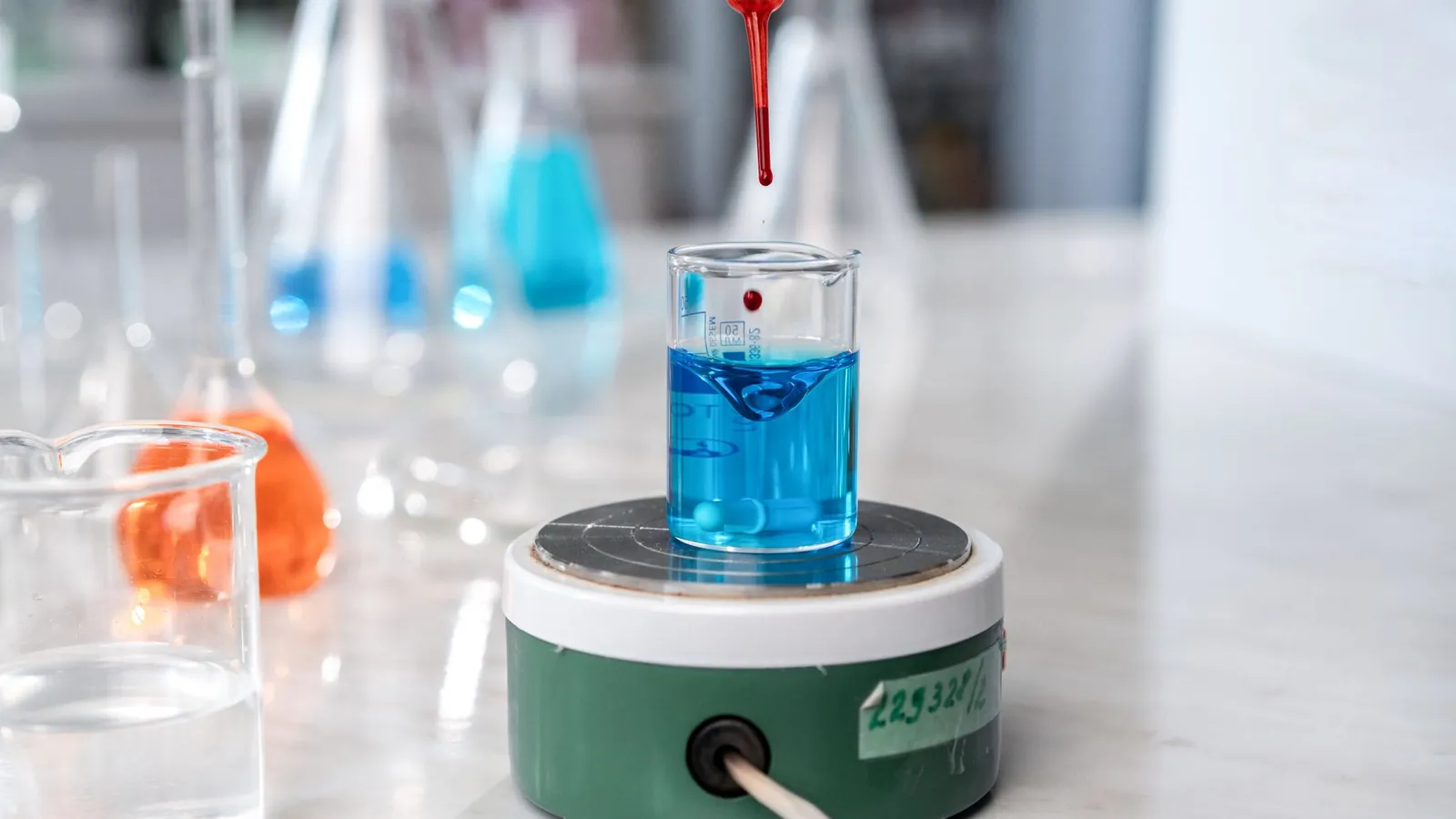
Imagine a process technologist setting aside a treated ingredient sample. The texture has reached the target, the observation sheet looks promising and the trial seems finished. Later, the retained sample has changed again. The technologist stopped the trial, but the enzyme did not receive the message.
An enzyme can continue acting while suitable conditions and accessible substrate remain. Reaching the desired effect and preventing further action are therefore different tasks. A useful process plan gives both tasks a place, then checks what happens to the product afterwards.
The enzyme follows conditions, not the worksheet
Enzymes are catalysts. They help particular reactions proceed without being used up in the same way as the material being converted. Their activity depends on their identity and the surrounding conditions, including temperature, acidity and access to the substrate they act on.
The substrate is the material the enzyme can change. A starch-degrading enzyme, for example, needs suitable starch material to act on. If accessible substrate and favourable conditions remain, continued changes may occur even after the desired processing effect has been reached.
That does not mean every enzyme treatment must end with a separate killing step. Some processes are designed around a defined extent of conversion, a later validated operation or controlled activity in the product. The requirement belongs to the particular enzyme, food and manufacturing sequence.
The desired result is an endpoint of its own
First define what successful treatment means. It may be a change in viscosity, a specified breakdown of a component or another measurable property. Use a method that relates to the application, with sample preparation controlled well enough to compare results.
Then define what further change would be unacceptable. A mixture that is easy to pump at the treatment endpoint may become too thin during holding. An ingredient that behaves well immediately may perform differently when used later in the finished food.
Include the delay between the endpoint decision and the next operation. The product continues to experience real conditions while a sample is tested, a valve is opened or a vessel waits. In a larger batch, that interval may differ across portions of the material.
Slowing down is different from stopping
Cooling often slows enzyme reactions, but it does not automatically destroy the enzyme. Activity may become more noticeable again when the product warms or enters another formulation. Treat a cold hold as a defined process condition, not as proof of permanent inactivation.
Changing acidity can also change activity. Depending on the enzyme and the conditions, the effect may be reversible or may lead to lasting loss of activity. A temporary lack of visible change does not establish which has happened.
Heat can inactivate enzymes by changing their structure, but sensitivity varies. The food surrounding an enzyme can influence its response too. Do not borrow a setting from a different enzyme or assume that a heat treatment validated for another purpose necessarily achieves the required enzyme control.
Choose a finish that suits the process
Validated inactivation is one option where it fits the product. It needs an appropriate combination of conditions demonstrated in the actual system. The effect on flavour, nutrition and physical properties should be considered alongside the intended reduction in enzyme activity.
Removal can be another option when the process and enzyme arrangement make separation feasible. An immobilised enzyme held on a support, for example, may be retained while the treated liquid moves on. The design still needs to establish whether relevant enzyme activity carries into the product.
A routine filter does not automatically remove a dissolved enzyme. Separation needs a method appropriate to the enzyme's physical form and the product. Define what the chosen operation is expected to achieve and how its performance will be checked.
Check the finish with the right evidence
- Identify the enzyme, substrate and intended treatment effect.
- Define the acceptable endpoint using a suitable product measurement.
- Record delays and conditions after that endpoint is reached.
- Validate the chosen inactivation or removal step where required.
- Use an appropriate method to assess residual activity.
- Check continued product change through relevant holding and use.
Residual activity testing should suit the enzyme and food matrix. Discuss the method with a competent laboratory, including its sensitivity and limitations. A result showing no detectable activity means none was detected under that method's conditions, not that every possible future reaction has been ruled out.
Product observations provide complementary evidence. Follow the property that matters through the intended storage and later application. A sample can change for reasons other than enzyme activity, so unexpected movement needs investigation rather than automatic attribution to incomplete inactivation.
Keep this work separate from comparing incoming enzyme preparations by their stated activity. That comparison helps define the starting material. Endpoint control asks what the process has actually achieved and whether later behaviour remains acceptable. Both matter, but they occupy different ends of the journey.
The imagined retained sample has delivered a useful reminder: a finished worksheet is not a finished reaction. Ask Specsy or the SpecSol team to help map your endpoint and the steps that follow it. Then the next promising trial can stay promising after everyone leaves the bench.