

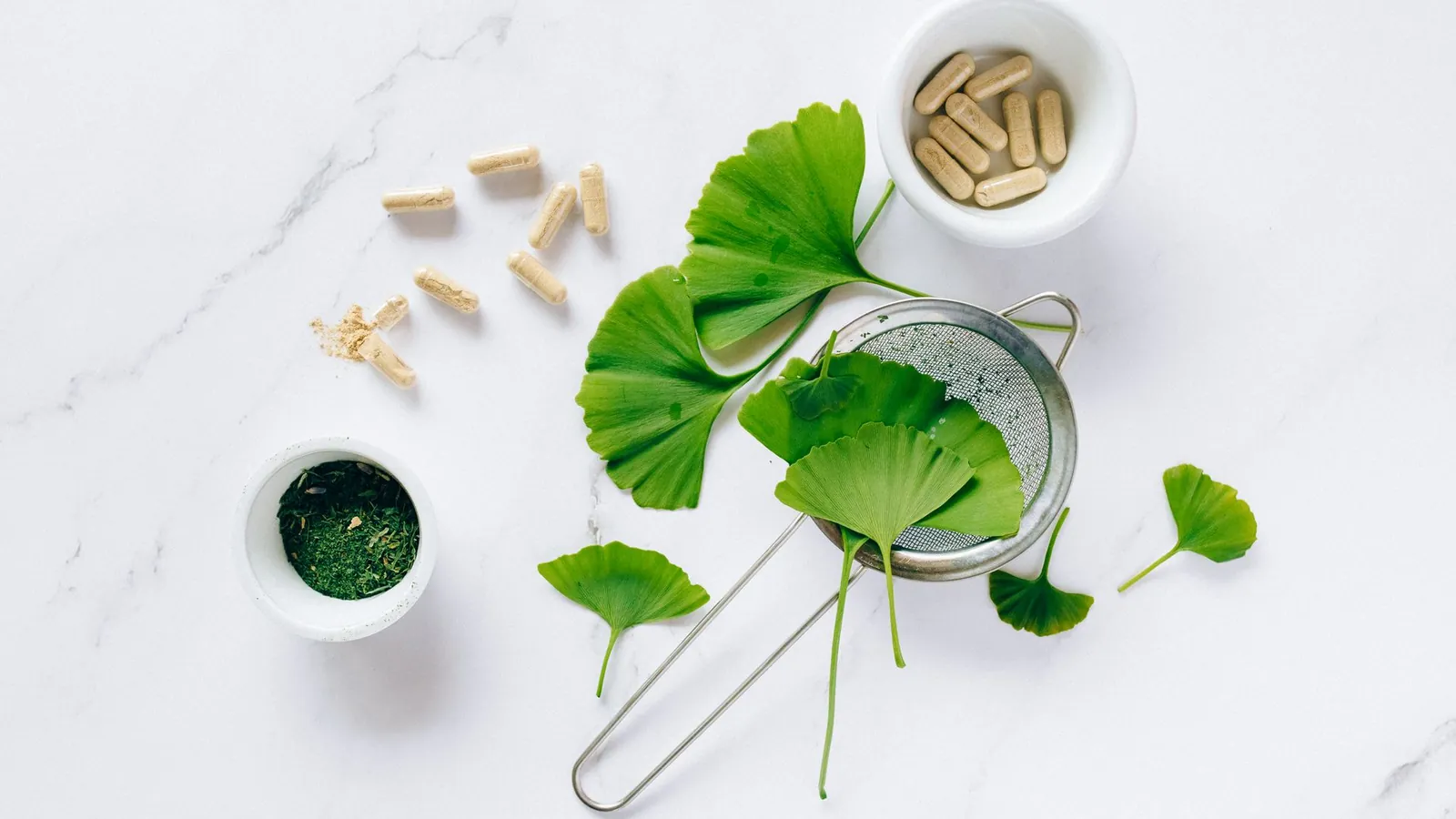
The R&D lead tips the powder into the mixer and waits for the familiar aroma. It arrives differently this time, and a few pale specks remain near the surface. In this imagined development room, the botanical name has stayed the same while the practical behaviour has changed.
A plant extract is more than the name of its source. The part of the plant, the extraction process, the concentration and the supplied format all matter. Understanding those details helps explain why a liquid and a powder are rarely simple twins.
Whole plant powder and extract are different things
A whole plant powder is generally made by drying and milling the relevant plant material. It can contain structural fibre and many of the components originally present in that plant part. Its flavour, colour and texture arrive together in a relatively broad mixture.
An extract is made by transferring selected components from plant material into an extracting medium. The process does not bring every component across equally. Water and other suitable extraction media can recover different mixtures, depending on the process and target.
The plant part also matters. A leaf, root, seed or peel can have a different composition even when it comes from the same plant. A useful ingredient description therefore goes beyond the botanical name to explain what material was used and how it was processed.
A powder may have a supporting ingredient
A liquid extract can be dried into a powder with the help of a carrier. Carriers can support drying, handling, dispersibility or protection of sensitive components. They also contribute to the composition of the supplied ingredient.
That is a practical formulation choice, not automatically a sign that something is wrong. The question is whether the carrier and its contribution are understood and suitable for the food.
Read the composition information. A powdered extract may contain a carrier such as a carbohydrate ingredient, while a liquid version may contain a liquid vehicle. Comparing the mass of the finished ingredients without accounting for those accompanying materials can give a misleading impression of equivalence.
Concentration needs a clear basis
An extract description may include information about concentration or a selected marker compound. A marker is a component used to help describe or control the ingredient. It does not necessarily represent every component responsible for flavour or function.
Check what a reported value refers to. Is it measured in the supplied powder, in dry material or in another defined fraction? Does the test describe the same component in each option? Similar-looking descriptions can conceal different reporting bases.
Even matching a marker does not guarantee matching sensory performance. Aroma compounds, bitter components and background solids can differ. Use the specification to organise the comparison, then let the intended food provide the practical answer.
Format changes the route into the food
A liquid extract may enter a watery base readily, while a powder needs a deliberate dispersion and hydration step. Another extract may be better suited to a fat-containing phase. Solubility and dispersibility depend on composition, not on the word extract alone.
A powder that looks finely milled can still form lumps. A clear liquid can still become hazy when diluted into a different environment. Acidity, heat and the surrounding ingredients may change how the extract behaves after addition.
Test the actual addition sequence. Note where the ingredient enters, what it first contacts and whether mixing continues long enough to distribute it. Avoid judging success only from a small preparation that received much more attention than the production process can provide.
Flavour needs the complete food
Taste and smell the ingredient in its intended application. A pleasant aroma from the opened pack does not show how well it will survive processing or emerge from a rich, sweet or acidic food.
Compare appearance, aroma, bitterness and aftertaste separately. If a powder changes body or leaves visible particles, record those observations too. A change in flavour delivery may be connected to the carrier, dispersion or the wider solids balance.
Retain samples in the intended packaging and follow relevant storage conditions. The format that is easiest to dispense may not be the format that best preserves the target sensory profile through the product's life.
A checklist for the next extract comparison
- Confirm the plant identity and the part used.
- Distinguish whole plant powder from an extracted preparation.
- Read the complete composition, including carriers and liquid vehicles.
- Check the basis and method behind concentration or marker information.
- Trial dispersion and flavour in the intended food and process.
- Review the finished ingredient declaration and any proposed claims.
Plant origin alone does not establish a health benefit. Evidence about a plant cannot automatically be transferred to every extract, format or finished food made from it. Keep functional and sensory observations separate from health claims, and check the current FSSAI regulations where relevant.
Back at the imagined mixer, the R&D lead has a more useful question than whether powder is better than liquid. The question is which preparation delivers the required character through this process. Once the full ingredient is understood, the familiar botanical name becomes the beginning of the discussion rather than its conclusion.