

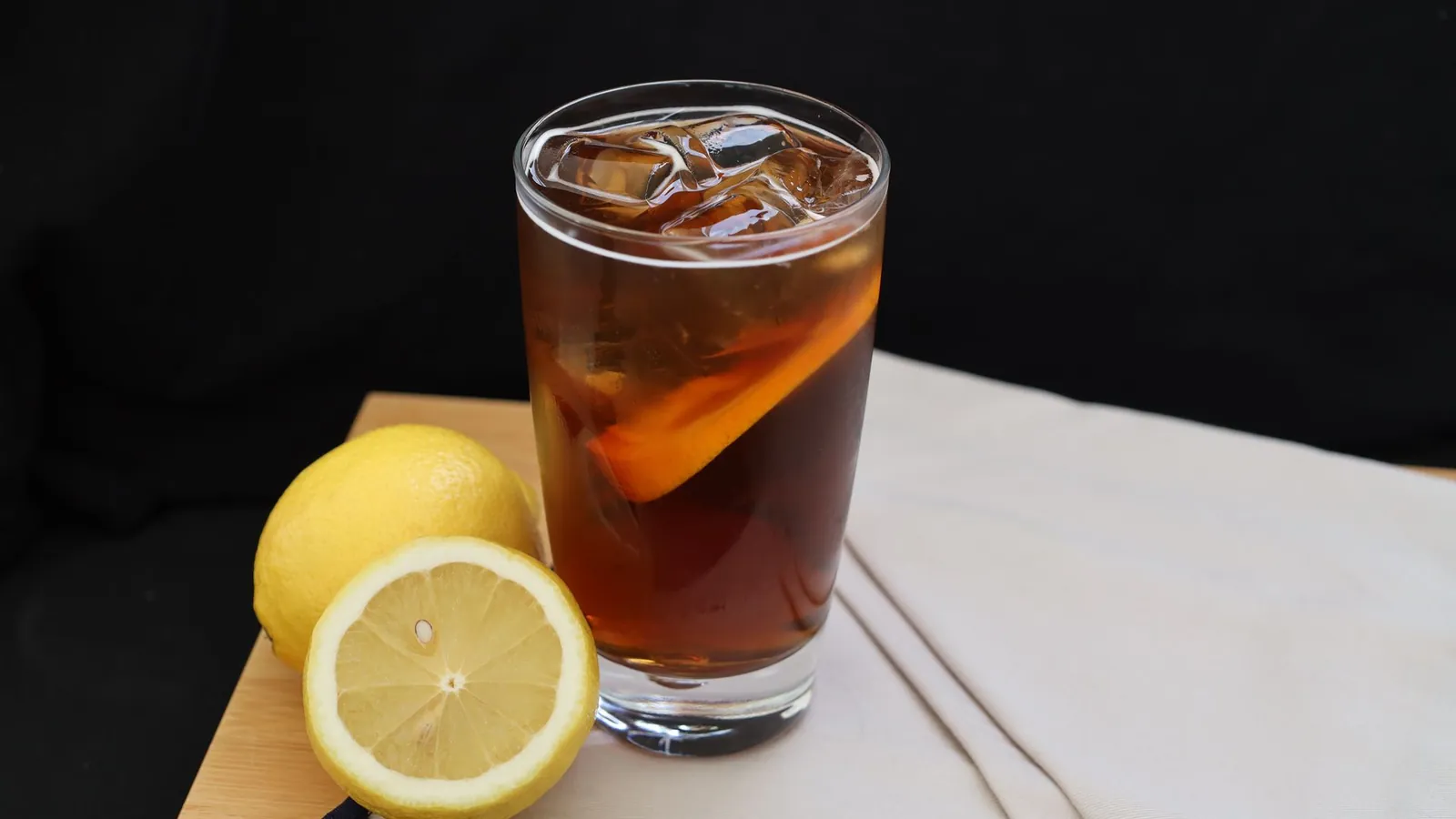
Picture a beverage developer holding a clear bottle of freshly prepared tea against the light. The colour looks inviting, and the liquid is beautifully bright. Into the chiller it goes. Later, the same bottle looks misty, as though somebody has breathed on the glass from the inside.
The first check is simple. Wipe the outside and look again. If the haze sits in the drink, the cooling step has given the team a useful clue. Tea contains a mixture of extracted components, and their behaviour can change as the temperature falls.
The tea components get together
Tea creaming is the name used for material that comes out of solution as tea cools. Interactions involving tea polyphenols and caffeine contribute to this behaviour. The particles that form can scatter light, making a drink look cloudy even when it appeared clear while warm.
Research on black tea has found that stronger tea creams more readily, and that calcium and theaflavins encourage it too. Theaflavins are reddish compounds formed when black tea leaves are processed. This helps explain why the tea extract and the water both deserve attention when a chilled sample loses clarity.
The practical task is to establish when the change starts. Keep observations of the warm extract, the cooled drink and the stored sample together. A photograph taken only after storage leaves the team guessing about what happened earlier.
Follow the extraction record
Start with tea identity, leaf condition and the extraction procedure. Water temperature, contact time and the balance of leaf to water influence what enters the extract. The resulting drink carries that extraction history into the chiller, along with any fine leaf particles that escaped clarification.
Compare like with like. If a trial changes the extraction procedure, record the resulting colour, flavour and clarity before adding the other recipe components. This gives a clearer view of the tea's contribution. It also avoids changing the finished drink simply to hide an unexplained difference in the extract.
Separate the extraction stage from later additions in your notes. Sugar, acid, flavours and other ingredients create a more complicated finished drink. Holding a small reference of the plain extract alongside the complete formula can help identify the stage at which their appearance starts to differ.
The water deserves a label too
Water can look identical in separate containers while carrying different dissolved minerals. Give it a traceable identity in the trial record. Record its source and any treatment used, then check whether bench trials and production used the same water preparation.
A water comparison is easiest to interpret when the tea and extraction procedure stay fixed. Prepare samples using the candidate waters under matched conditions, then follow each through the same cooling and observation sequence. Ask for available water-analysis information so that the comparison has more detail than a description such as clear or clean.
Keep the complete flavour target in view. An adjustment that improves appearance may also change taste or colour. Evaluate the drink at its intended serving temperature and with the intended recipe, after the initial appearance investigation has identified a promising direction.
Let the samples tell their sequence
Set aside separate, clearly labelled portions for warm, chilled and rewarmed observations. Use matching containers and lighting. Look through the drink against the same background, and note whether the change appears as an even haze, floating material or sediment collecting at the bottom.
Gently warm a separate chilled observation sample and record whether its clarity changes again. Treat that response as a clue for the technical investigation. Keep the main retained sample undisturbed, so repeated heating and cooling do not become an extra variable in the storage comparison.
- Record tea identity, water source and extraction conditions.
- Inspect the plain extract before completing the beverage recipe.
- Compare warm and chilled portions in matching containers.
- Observe a separate rewarmed portion and record the response.
- Track haze and sediment through the intended storage conditions.
- Evaluate flavour and colour alongside any improvement in clarity.
Appearance and product release need their own checks
Keep the normal quality and food-safety investigation in place. Unexpected haze in a production batch should go through the site's established assessment, including process records and appropriate testing. Appearance alone cannot establish microbiological condition. Warm clarity or a reversible haze supplies information about physical behaviour, while release decisions require the relevant evidence.
During development, use sample handling appropriate to the intended analysis. Portions warmed for visual troubleshooting should be identified clearly, and tasting samples should follow the team's normal sensory and hygiene procedures. This keeps the observations interpretable and makes the handover between development and QA much easier.
The bottle from our opening scene has provided a useful question about its journey into the fridge. Bring the extraction notes, water details and appearance sequence to Specsy or the SpecSol team. Together, those simple observations can turn a mysterious mist into a focused beverage trial.