

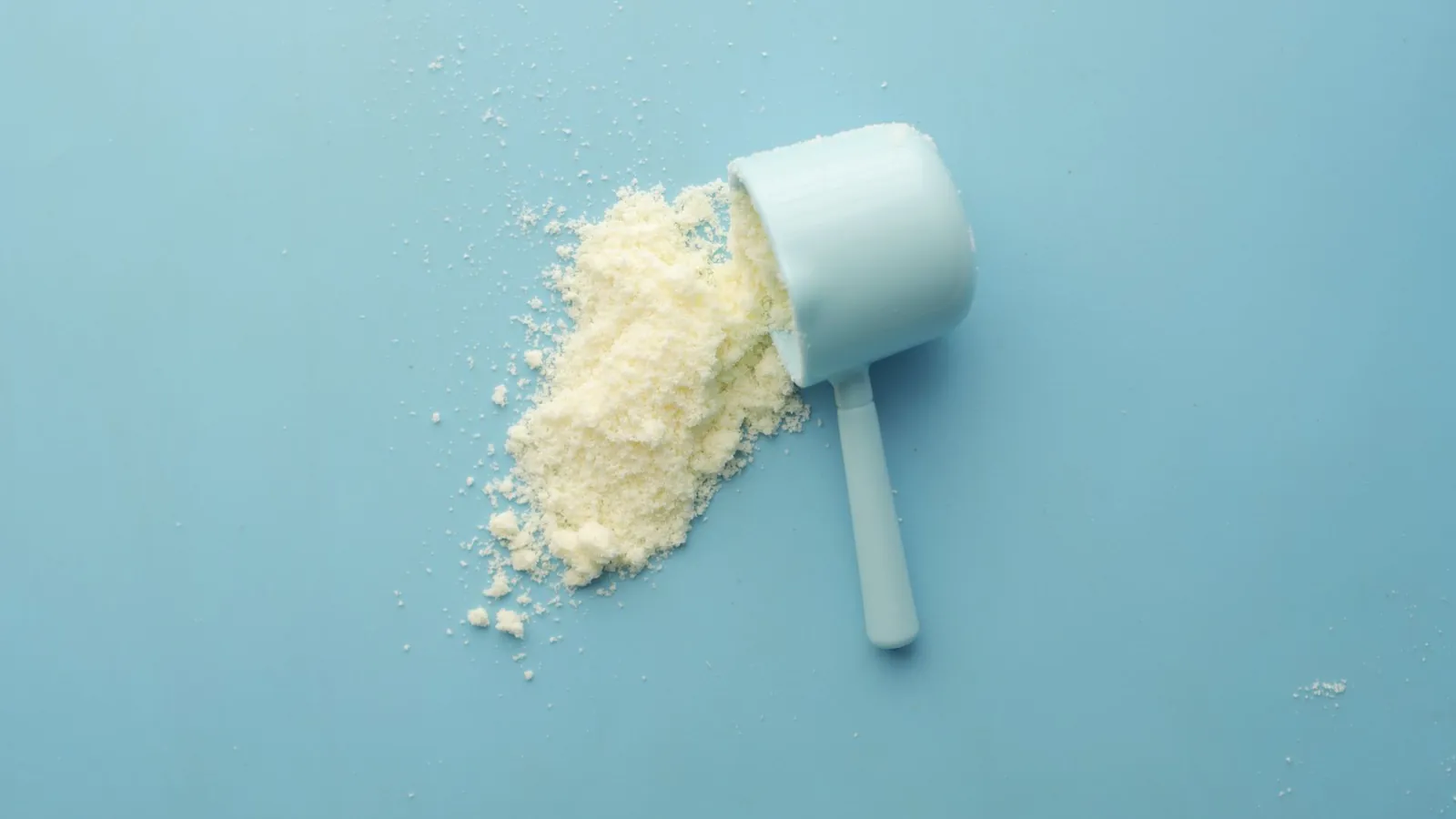
Picture a purchase executive arranging plant protein specifications across a desk. One says flour, another concentrate and another isolate. The protein figures seem to suggest a simple ladder, with the highest value at the top. The development cook looks up from a crumbly trial patty and asks a different question: which one will actually work?
The names describe broad differences in ingredient processing and composition. They do not award medals for suitability. A flour can be the right choice for one food, while a concentrate or isolate suits another. Start with the job, then read the specification.
What stays in the ingredient?
A plant flour is generally made by milling prepared plant material. Depending on the crop and preparation, it may retain substantial starch, fibre, fat and other components alongside protein. Dehulling, defatting and heat treatment can change that composition, so flour is not one fixed material.
A concentrate has undergone processing that increases the proportion of protein by removing some other components. An isolate generally involves more extensive separation to obtain a protein-rich fraction. The exact composition and meaning of the supplied description still need to be checked in the specification.
Avoid assuming universal numerical boundaries across all crops and ingredient descriptions. Ask for the actual protein result and its reporting basis, along with moisture, fat, fibre and other relevant composition details. The name is a starting point for questions, not a substitute for the answers.
The companions do useful work too
Starch can contribute thickening and structure during cooking. Fibre can affect water holding, texture and particle perception. Residual fat can influence flavour, mouthfeel and storage behaviour. Removing these components changes more than the space available for protein.
In a patty or baked snack, those accompanying components may help build the desired texture. In a smooth drink, particles or starch behaviour may complicate the target. Neither outcome makes the ingredient good or bad in isolation. It makes its fit with the application more or less useful.
Replacing a flour with an isolate can therefore leave a recipe short of functions the flour was quietly supplying. Conversely, replacing an isolate with a flour introduces extra material that may need different water management or processing. The rest of the recipe cannot always stay unchanged.
Processing leaves a signature
Protein separation may involve physical fractionation or wet processing, followed by drying and other treatments. These routes influence the protein and the non-protein material that remains. Ingredients from the same plant can consequently behave differently even when their protein figures are similar.
Heat can change protein structure, which may alter solubility, water binding, emulsification or gel formation. The direction and usefulness of the change depend on the treatment and intended food. It is too simple to describe all processed protein as damaged or all high-purity protein as highly functional.
Particle size and supplied form matter too. A powder that wets readily may still need time or suitable mixing to disperse fully. A protein that performs well in a neutral mixture may behave differently after acidification or heating. The application conditions belong in the comparison.
Make the comparison answer the right question
Decide whether you are comparing ingredients at the same added mass, at the same protein contribution or in recipes adjusted to reach the same finished texture. These are different experiments. Without stating the basis, a result can appear to favour an ingredient simply because it supplied more protein or more total solids.
For a nutrition target, calculate the protein contribution using comparable analytical information and a consistent moisture basis. Then account for the accompanying solids and water requirements. For a functional target, define the desired behaviour clearly, such as binding a cooked patty or maintaining a smooth beverage.
Use a familiar reference recipe and document each deliberate adjustment. Judge flavour, aroma and mouthfeel in the finished food rather than from a dry powder sniff alone. A savoury note that suits a spiced filling may be distracting in a delicately flavoured drink.
- Define the ingredient's job and the comparison basis.
- Read composition details beyond the protein figure.
- Ask about processing, particle form and preparation requirements.
- Test under the food's actual acidity, heating and mixing conditions.
- Assess texture and flavour after intended preparation and storage.
Keep the choice connected to the whole food
Protein content does not describe amino acid balance or digestibility by itself. Nor does a useful texture result establish a nutrition claim. Keep those questions separate and check the current FSSAI regulations when developing product descriptions or claims.
The purchase decision should bring composition, functional evidence, sensory performance and practical handling together. An ingredient that looks economical on a protein figure may need other recipe changes, while a less purified form may already provide useful supporting solids.
At our imagined desk, the specifications are no longer competing for the tallest number. They are candidates for a defined role. Ask Specsy or the SpecSol team to help describe that role, and the flour, concentrate or isolate can earn its place in the food.