

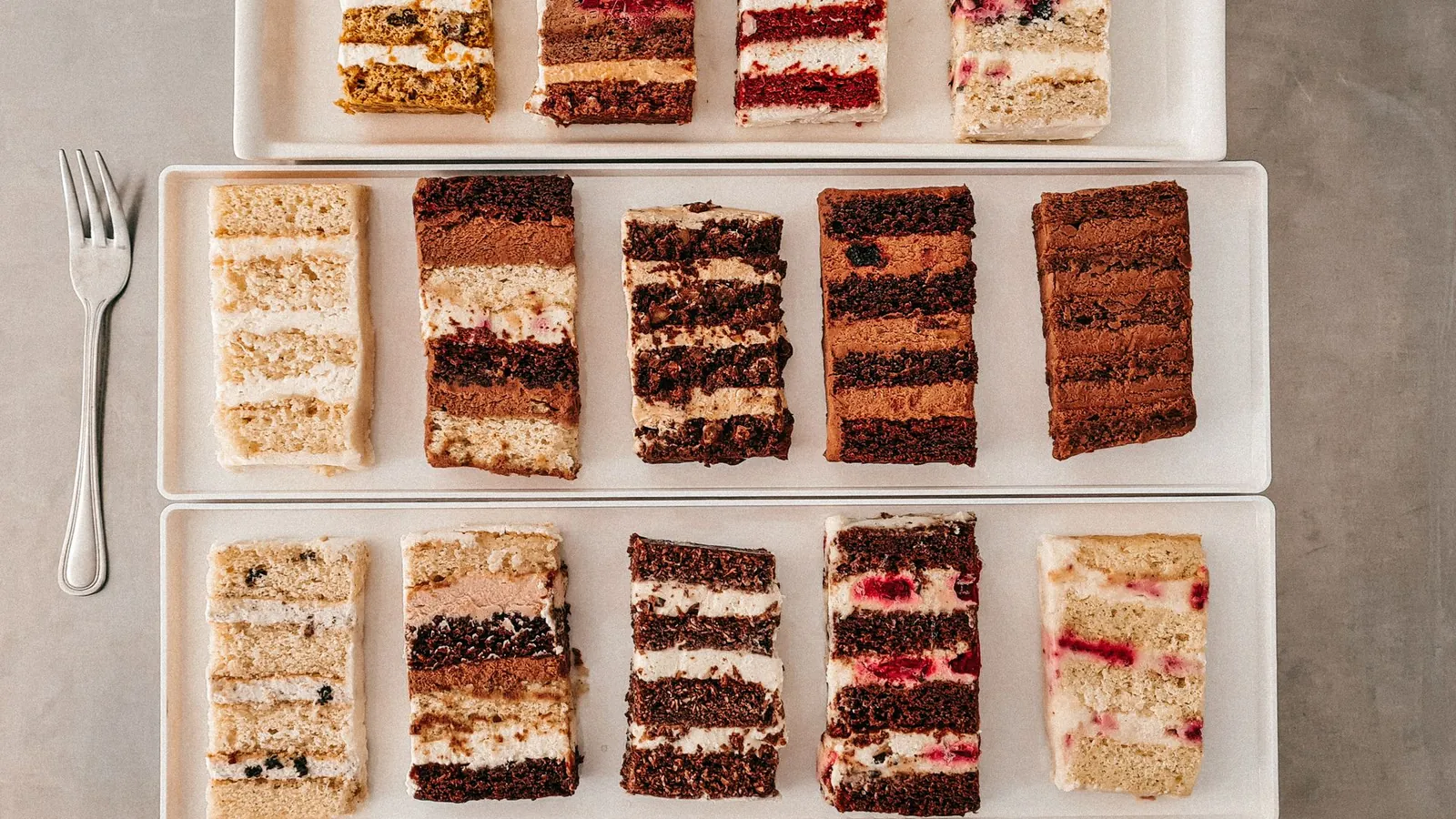
Picture a bakery QA lead cutting the first cake of a trial. The top is neat and the aroma promising. Then the slice opens to reveal long passages running through the crumb. Someone could almost draw a route from the base to the crust. This was meant to be a cake, not a map.
An occasional large hole and a pattern of elongated tunnels are different observations. So is a deliberately light, open crumb. Start by describing the defect accurately. The shape, position and distribution of the spaces help the team ask better questions about how the batter was mixed and handled.
Bubbles need room, then a stopping point
Cake batter contains bubbles introduced during preparation, with additional gas supplied by the leavening system where used. During baking, gas expands and the batter changes. Starch gelatinises and proteins set, helping turn a flowing mixture into a crumb that holds its shape.
The useful result depends on gas development and structure setting working together. Before the crumb sets, bubbles can grow, join or move through the batter. An uneven batter structure can give gas easier routes through some areas than others, leaving passages rather than a uniform network of small cells.
A finished slice records the outcome of that whole sequence. It does not identify the cause on its own. The same general description of holes can cover differences in mixing, leavening, depositing or baking. Keep the slice beside the production record rather than asking it to solve everything.
What happens after the flour goes in?
In wheat-based cakes, flour proteins can develop gluten when hydrated and worked. That structure is useful in some baked foods, but a cake usually needs a more tender balance. Continued mixing after flour addition can change the batter's elasticity and the way gas expands through it.
Overworking can contribute to tunnelling in suitable formulations, but the right method depends on the recipe. Sugar, fat, flour type and the mixing system all affect the result. Some cake systems are designed for specific mixing sequences, so simply cutting mixing time is not a universal answer.
Record the actual sequence, mixer attachment, loading and mixing stages. Include scraping down the bowl and any additional working used to remove lumps. A brief final correction at the mixer may represent a meaningful extra treatment for batter that was already ready to deposit.
Give the leavening an even start
A leavening system needs to be distributed consistently. Poorly dispersed ingredients can create local differences in gas production. Check the dry blending method and any evidence of lumps or pockets before concluding that the whole recipe produces too much gas.
Ingredient identity and condition matter too. Confirm that the intended materials were used and handled according to the established procedure. Avoid compensating for a distribution problem by changing the formulation immediately. More gas or less gas will not necessarily correct where that gas develops.
Check flour lumps separately from air pockets. Both can make a cut slice look irregular, but they point towards different preparation problems. Notes such as dry centre, dense streak or smooth-sided hole are more useful than putting every unusual feature under the heading of bad crumb.
The batter still has a journey ahead
Holding between mixing and baking can change batter behaviour. Depending on the formulation, gas may develop during the wait, bubbles may change and the batter may thicken or lose stability. Compare actual holding histories, especially when a large batch feeds the oven over an extended run.
Depositing can introduce air pockets or work the batter further. Look at how the hopper is filled, how the batter flows and whether the deposited portions are consistent. Keep the approved baking conditions in the investigation as well, because the crumb only becomes fixed in the oven.
- Cut cakes in the same direction and at the same assessment stage.
- Describe tunnel shape, location and frequency across several pieces.
- Record flour addition, subsequent mixing and any extra reworking.
- Check leavening distribution and the condition of the dry blend.
- Compare batter from early and later deposits with its holding record.
- Keep portion size, tins and baking conditions consistent during trials.
Follow a clue before changing the recipe
If tunnels appear mainly in later deposits, investigate the wait and hopper handling. If they follow a change in mixing procedure, compare that stage with a retained reference. The aim is to choose a test that can separate plausible causes, rather than changing every ingredient that affects structure.
For eggless cakes, resist making the egg replacement system the automatic suspect. It contributes to the result, but mixing, leavening and depositing still have their own jobs. Assess the complete batter and process before deciding which part needs adjustment.
The next slice should make the discussion easier, even before the crumb is perfect. Bring your cake photographs and mixing sequence to Specsy or the SpecSol team. With a few clear observations, those mysterious tunnels can become useful clues for a much friendlier crumb.