

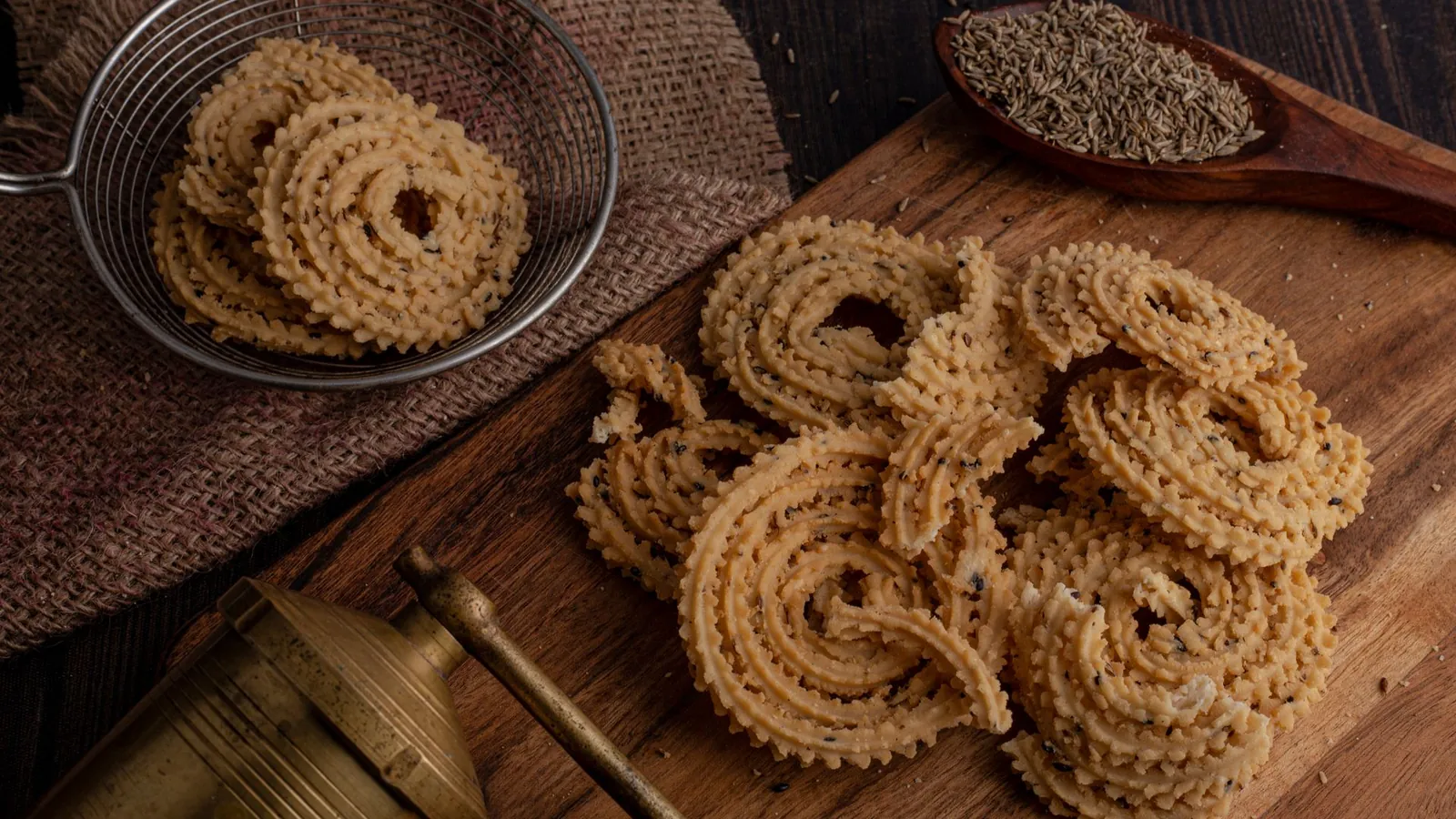
Imagine a snack developer reaching into a bowl of reduced-salt namkeen. The first bite is lively, with a clear salty note and a pleasant spice finish. The next seems oddly empty. A third is salty again. The recipe has changed, but the bowl appears to be having several different conversations.
The total salt addition matters, yet it does not describe where the salt ended up. Surface distribution, crystal characteristics and the snack itself influence what reaches the tongue. Before deciding that the reduction has gone too far, examine how consistently the seasoning is being delivered.
The surface gets an early introduction
Salt on the outside of a snack can meet saliva quickly. Salt within the structure may become available differently as the snack is chewed and broken down. Location therefore affects the timing of the salty sensation, even when the total recipe contribution looks similar.
This does not mean surface placement always gives the same improvement. Snack shape, porosity, surface oil and eating behaviour all influence the result. A thin crisp, a dense piece and a mixed namkeen do not present seasoning to the mouth in identical ways.
Think about the intended mouthful as well as the individual piece. In a mixture, some components may collect more seasoning than others. A handful can then taste quite different depending on what it contains. Record component behaviour before assuming that the tumbler has produced an even result.
Crystal size changes how salt meets saliva
Salt must dissolve before it can contribute fully to the salty taste. Crystal size and shape influence surface area and dissolution, while also affecting how the salt distributes during application. Smaller particles can behave differently from larger crystals in both the seasoning equipment and the mouth.
Finer is not automatically better. Fine material may dust, gather in particular places or separate from other seasoning ingredients during handling. Larger crystals may create distinct salty bursts or fail to adhere as intended. The practical target is the desired perception with consistent coverage.
Compare suitable salt forms in the complete seasoning and on the actual snack. A taste from a spoonful of dry seasoning does not reproduce saliva contact, surface adhesion or chewing. It can also hide distribution problems that appear only after the mix passes through the line.
Coverage needs a process, not just a recipe
Inspect how seasoning reaches the moving snack. Feed consistency, tumbling action and application timing affect whether pieces receive comparable coverage. The condition of the surface matters too: differences in oil distribution or cooling can change how much powder adheres.
Look for loose seasoning left in the equipment or at the bottom of the pack. Material added to the tumbler is not necessarily material retained evenly on every piece. Record losses and accumulation instead of assuming the weighed addition tells the complete finished-product story.
Sampling from one convenient point can miss variation through the run. Include early and later packs and different components where relevant. Handle samples consistently, because shaking and transport can move loose seasoning after packing. The consumer eats the result of that journey as well as the result of the tumbler.
Build flavour around the salty note
Spice aroma, acidity and savoury character can help a snack remain interesting when salt is reduced. They influence the overall eating experience, but they do not remove sodium already present. A more flavourful bite and a lower sodium result are separate outcomes that both need checking.
Review sodium contributions across the complete recipe. Salt is an obvious source, but other seasoning ingredients and the snack base may contribute too. Replacing one component can also change bitterness, lingering taste or aroma balance. Judge the whole bite rather than matching saltiness alone.
- Compare salt forms with a clearly recorded recipe and application method.
- Inspect coverage on individual pieces and across mixed components.
- Record loose powder, seasoning losses and changes through the run.
- Use coded samples at the same serving condition.
- Score initial saltiness, later flavour and overall balance separately.
- Verify finished-product sodium on representative samples.
Let taste and analysis answer their own questions
Sensory testing describes the experience. Recipe calculations help account for ingredients. Suitable analysis provides evidence of sodium in the finished product. Use these together, with a consistent reporting basis, rather than treating a less salty taste as proof of a particular nutritional change.
Any proposed nutrition claim needs its own review: check the current FSSAI regulations. Keep the wording decision separate from the enthusiasm of a successful tasting. If the snack relies on salt for other functions, those also need assessment within the complete reformulation.
The imagined bowl becomes much easier to understand once the team looks at each bite. Bring your seasoning observations and sodium results to Specsy or the SpecSol team. A good reduction should leave a clear flavour story, with every handful invited to tell it consistently.