

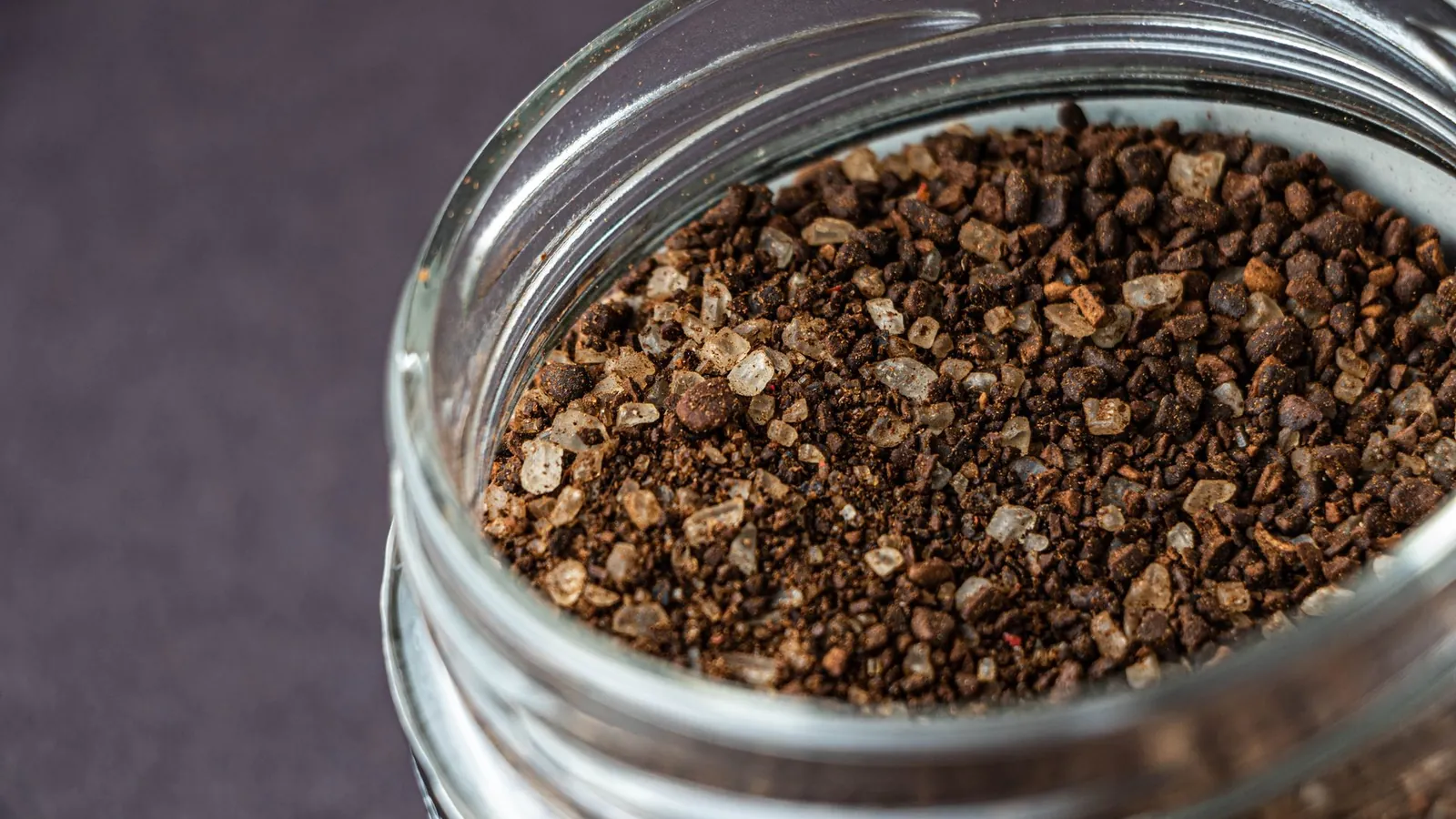
Picture a beverage developer lining up cups of a new roasted drink. The colour looks reassuringly familiar, a deep brown that promises a rich sip. Then comes the aroma and the first taste. The chicory sample has a character of its own, and matching the shade suddenly seems like only the beginning.
Roasted chicory root is used in coffee substitutes and blends. It can contribute roasted flavour, bitterness and body, but the intended drink needs a clear sensory target. Breaking the cup into those separate observations helps the team choose an ingredient and preparation method that fit.
Meet the root behind the roast
Chicory is a plant whose root can be prepared, dried and roasted for beverage use. Roasting changes the root's colour and creates a complex aroma through heat-driven reactions. The resulting character depends on the raw material and the way it has been processed.
A roasted chicory ingredient can arrive in different physical forms, including material intended for extraction and soluble preparations. Check exactly what is being evaluated. Particle size, extract concentration and the supplied format all affect how the material should be prepared for a fair comparison.
Read the ingredient description before treating samples as interchangeable. A roasted root powder and a dried soluble extract bring different preparation requirements to the bench. Record how each was used, including any clarification or separation step, so the tasting notes remain attached to a reproducible cup.
Colour is only one part of the sip
Begin by describing aroma. Does the cup suggest toasted grain, caramel-like notes or a heavier roasted character? Use words the panel can recognise and agree on. Keeping aroma separate from appearance helps the team avoid letting a darker shade decide the flavour judgement in advance.
Next, assess bitterness and its timing. A brief bitter edge and a lingering bitter finish can give different impressions even when the overall intensity seems similar. Sweetness and other recipe components influence that perception, so write down the complete preparation used for each assessment.
Body describes how full or thin the drink feels in the mouth. It can be influenced by dissolved material, fine suspended particles and the rest of the recipe. Notice whether the cup feels smooth, powdery or drying as well as whether it feels rich. Those details guide a more useful formulation discussion.
Extraction shapes what reaches the cup
For material that requires brewing, water temperature, contact time, particle size and the proportion of material to water affect extraction. Changing the preparation can change the concentration and balance of what reaches the cup. Record the conditions instead of relying on a description such as strong brew.
Keep the method consistent when comparing candidate ingredients. Use the same water, equipment and separation procedure where the formats allow it. For soluble preparations, follow appropriate dissolving instructions and check the cup for sediment or incomplete dispersion before judging its mouthfeel.
Once the initial comparison is understood, explore preparation changes deliberately. A stronger extraction may deepen colour and body while also changing bitterness. Taste the complete result and record each effect. The most appealing setting depends on the drink the team is trying to create.
Bring in the usual milk and sweetness
A plain-water screening is useful for learning an ingredient's character. The final decision should include the intended milk or plant base and sweetness. These components affect colour, aroma perception and mouthfeel, and they may change which roasted notes stand out.
Prepare the drink as it will normally be served. If the product is a premix, follow the intended preparation steps. If it is a ready-to-drink beverage, include the relevant processing and holding sequence. Check the sample at its expected serving temperature and after the usual wait before drinking.
Keep the comparison focused. Decide whether the target is a familiar coffee-style blend, a distinct roasted drink or a particular balance of body and bitterness. Clear expectations make panel comments easier to interpret and help avoid changing direction after every tasting.
- Record ingredient form, roast description and preparation instructions.
- Use matched water and a reproducible extraction or dissolving method.
- Describe colour, aroma, bitterness, body and aftertaste separately.
- Compare coded samples in a varied order under matched serving conditions.
- Repeat the assessment with the intended base and sweetness.
- Observe sediment, flavour and mouthfeel after the expected holding period.
Choose the complete drink
Look at the tasting notes alongside preparation effort and consistency. A promising ingredient needs to perform through the normal process, including any filtration, mixing or filling steps. Keep the preferred sample as a reference and repeat it before treating a small sensory difference as a dependable result.
Then revisit the original cup. Its colour was an inviting introduction, and the aroma, body and finish now have their own place in the assessment. Share those observations with Specsy or the SpecSol team and discuss your specification. Chicory can contribute to an enjoyable drink when its character is given a clear role.