

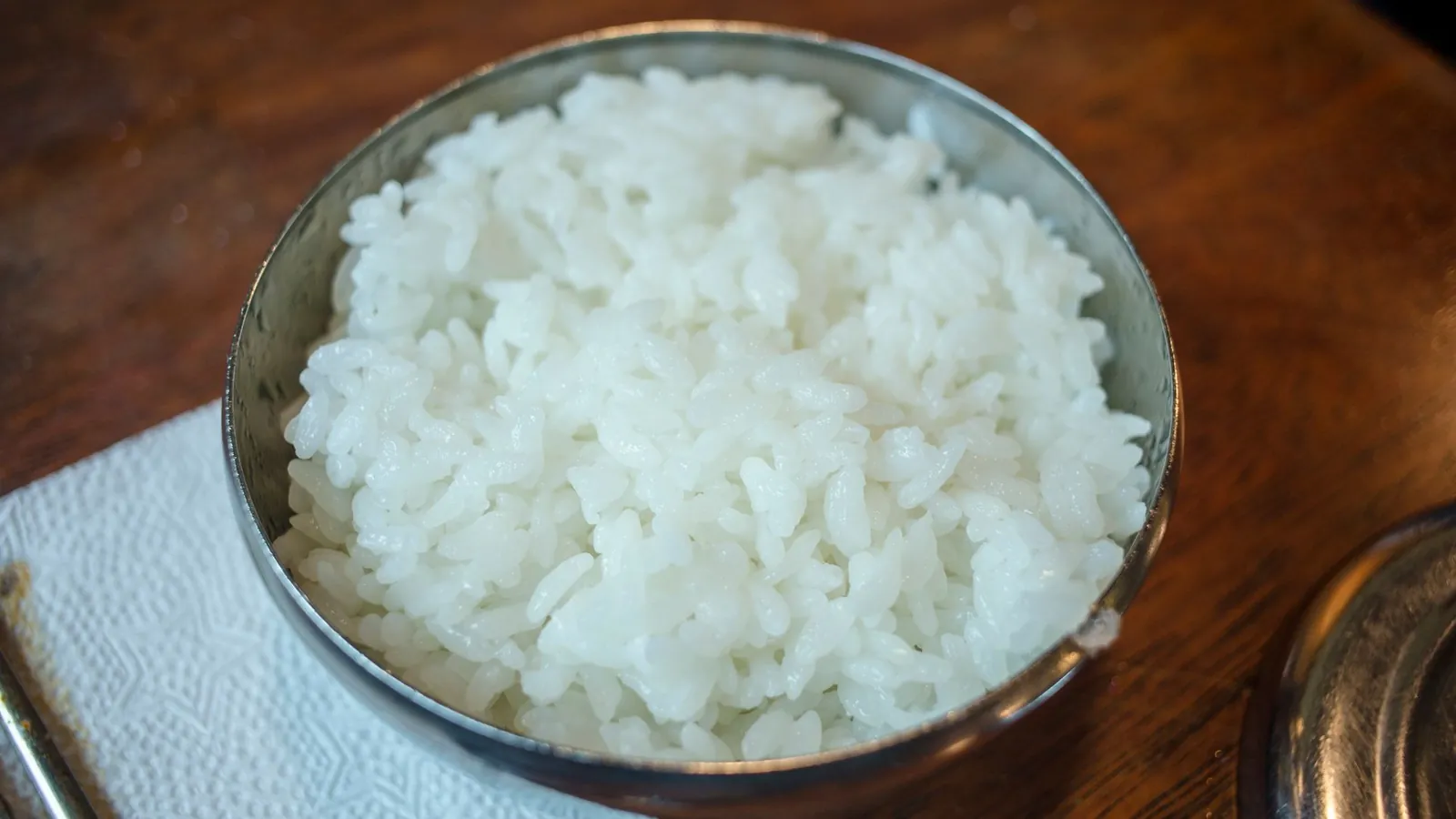
Imagine a ready-meal QA lead tipping a rice portion onto a plate. Instead of a loose mound, the entire portion lands as a single block. The spoon meets resistance, the edges break away and the middle remains stubbornly together. Lunch has acquired the shape of its container.
Some rice dishes are meant to cling. Others promise separate grains that lift easily with a spoon. When separation is the target, the investigation needs to follow the grain surface as carefully as the centre, from raw rice through cooking, packing and reheating.
The outside can become a sticky meeting place
Rice contains starch organised within the grain. As it cooks in water, starch absorbs water and changes structure. Material at the surface, including starch released from damaged grains, can form a sticky layer. Bring many coated grains into close contact and they can hold together.
Broken grains and surface damage matter because they expose more material to the cooking water. Rough handling may create further fragments after cooking. A batch can therefore become more prone to sticking even if the rice variety and recipe remain unchanged.
The amount of sticking also depends on the rice itself. Different varieties have different starch characteristics and cooking behaviour. Choose with the intended dish in mind. A rice that gives a pleasing cohesive texture in one application may be a poor fit for a separate-grain meal.
Washing prepares a surface, not a guarantee
Washing can remove loose surface material, including some starch and dust. Its effect depends on the rice and washing method. Compare the actual procedure used in production, with attention to water movement, grain damage and what happens when washing is complete.
More aggressive washing is not automatically better. It can change handling and may damage fragile grains. Keep the method consistent and inspect the rice afterwards. The aim is a suitable starting condition for cooking, not the clearest possible rinse water at any cost.
Follow any soaking stage as well. Soaking changes how water enters the grain and can influence later cooking. If one batch waits wet while another goes straight into the cooker, they have already had different preparation histories before the main heat step begins.
A loose surface still needs a cooked centre
Cooking must develop the intended centre texture while controlling the surface condition. Rice that looks beautifully separate but has an unpleasant hard centre has not met the product brief. Equally, pushing the centre beyond the target can leave fragile grains that break during the following operations.
Check grain condition at the cooker outlet, using a consistent assessment method. Describe centre firmness, surface tack and visible breakage separately. These observations help distinguish a cooking problem from one that develops later during transfer or packing.
Where the process includes draining, record how it is done. Remaining free liquid and starchy cooking liquor can affect the grain surface and the packed texture. Avoid comparing a carefully drained trial portion with a production portion carrying more liquid into the pack.
Follow the grains after the cooker
Cooked grains are vulnerable to mechanical damage. Pumping, mixing, scooping and repeated transfers can break them or smear surface material between them. Trace the points where the rice is worked, especially if separation looks good at the cooker but deteriorates before filling.
Packing can bring warm grains into close contact. Compression and holding may help a portion retain the shape of its container. Check filling consistency and handling without assuming that every clump needs another ingredient. The physical route may explain much of the difference.
Keep validated cooling, storage and other food safety controls intact. Cooked rice needs appropriate control throughout handling. Do not extend warm holding or improvise cooling to improve separation. Any proposed process change belongs with the responsible technical team for assessment.
The whole meal gets the final test
Rice in a meal interacts with sauce, vegetables and other components. Moisture can move between them during storage and reheating. A plain rice sample may help diagnose the grain behaviour, but the actual packed meal is where the final texture must succeed.
- Identify rice variety, lot and the extent of broken grains.
- Record washing, soaking and the established cooking method.
- Assess surface tack and centre texture at the cooker outlet.
- Inspect draining, transfer damage and packing pressure.
- Retain validated cooling and storage controls.
- Judge the complete meal after its intended reheating procedure.
Use the same serving method for comparisons. Aggressively breaking apart one portion while gently tipping out another makes the results difficult to interpret. Record how easily a spoon separates the grains, how many remain intact and whether the centre is pleasant to eat.
Change one likely cause and keep a reference portion. The best result balances grain separation with tenderness, flavour and performance in the complete meal. It does not merely produce a photogenic mound at the moment the cooker opens.
Back at the imagined plate, the spoon should have an easier conversation with lunch. Bring your grain and process observations to Specsy or the SpecSol team. The next useful correction may be hiding in the journey between a well-cooked grain and a tightly packed portion.