

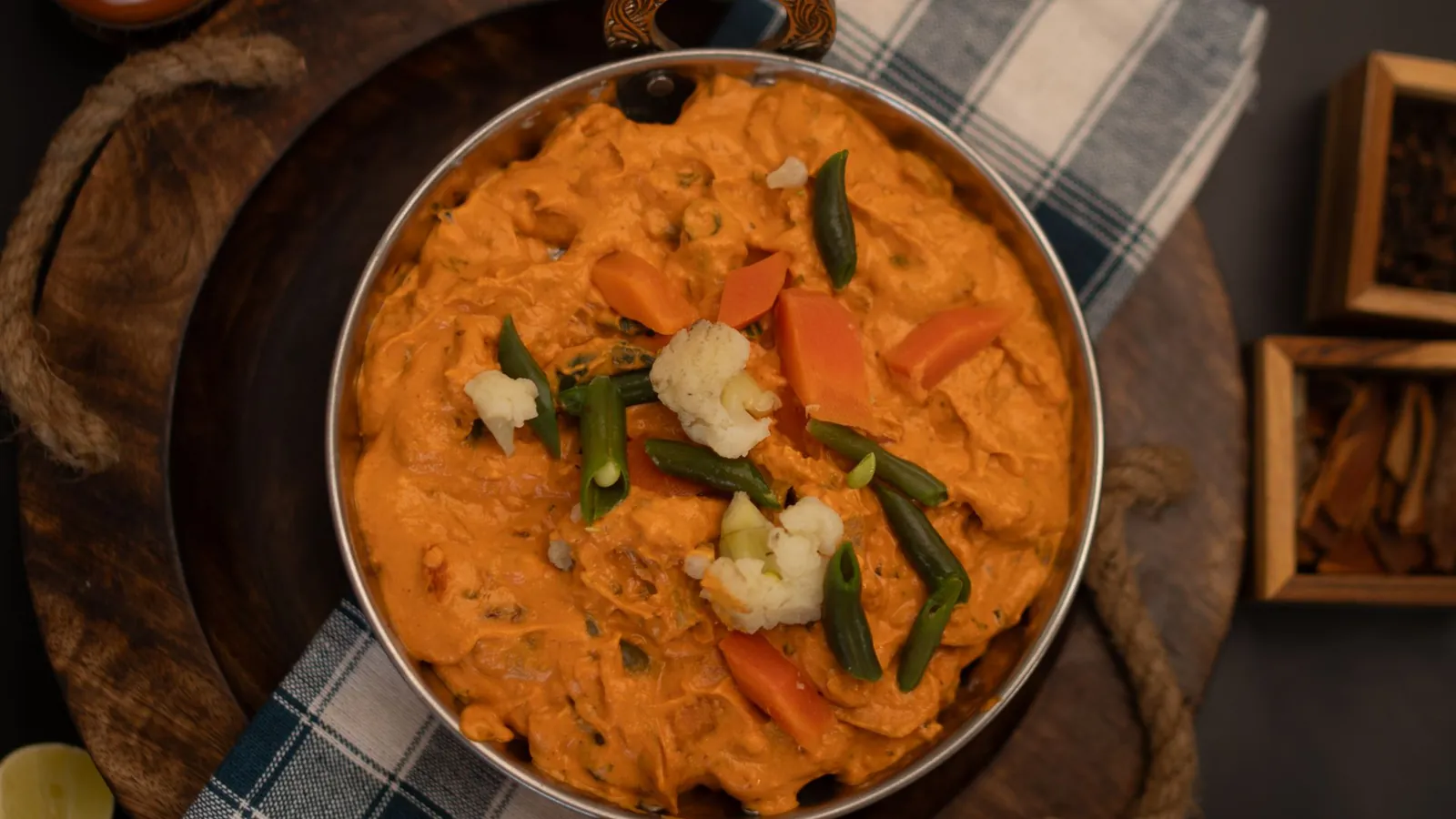
Picture a ready-meal QA lead opening a pouch of vegetable gravy. The aroma is inviting and the sauce coats the spoon nicely. Then the spoon touches a carrot piece. Its outline gives way before it reaches the tasting dish. The gravy is ready, but the vegetables have rather overcommitted.
The immediate temptation is to blame the final heating step. Yet the piece in that pouch has already been selected, cut, handled and perhaps partly cooked. Its final texture reflects the whole journey. A useful investigation begins with the raw vegetable and keeps the validated thermal treatment intact.
A vegetable is a structure, not a solid block
Vegetable tissue is made of cells with walls that give the pieces much of their form. Pectin helps hold neighbouring cells together. Water inside the cells also contributes to the firmness of fresh tissue, so a crisp raw bite has more than one source.
Heating changes the tissue. Cell membranes lose their usual control over water, and changes in the walls and pectin can make the cells separate more easily. The piece softens. How far that softening proceeds depends on the vegetable, its condition and the environment in which it is cooked.
Different vegetables therefore cannot be expected to arrive at the same final bite after identical handling. Even within a vegetable type, variety and maturity can change performance. A specification that describes only colour and cube size may miss differences that become obvious after processing.
Choose for the final spoonful
Inspect the raw material before cutting. Note firmness, maturity, storage condition and any damaged areas. Compare candidates through the intended process rather than choosing solely by how crisp they feel raw. Raw crispness and resistance to the complete cooking sequence are related questions, not interchangeable answers.
Define the desired cooked texture in ordinary words. A tender carrot that keeps its outline is different from a firm piece with a hard centre. The goal is an enjoyable bite throughout the piece, alongside enough strength to survive transfer, packing and serving.
Keep vegetable identities separate during evaluation. If peas are acceptable while carrot pieces break down, an overall score for vegetable texture hides the useful clue. Look at each component, then judge how the complete meal works together.
Every earlier cook counts
Trace preparation before the pouch is sealed. Blanching, frying, boiling, hot holding and contact with a hot gravy can all contribute to the piece's thermal history. A vegetable that already has the desired serving tenderness before packing may have little room for the further softening that follows.
Waiting deserves a line on the record. A prepared component held while another stage catches up experiences a different history from one packed promptly. Use actual production observations to identify this variation. The nominal cooking instruction does not capture an unplanned delay.
Cut size and consistency also matter. Small pieces and thin edges respond differently from larger centres, while rough cutting can damage surfaces before heating begins. Record dimensions and the proportion of broken pieces so a change in preparation is not mistaken for a change in raw-material quality.
The sauce belongs in the trial
Vegetables cooked in water do not necessarily behave like vegetables processed in the intended gravy. The surrounding food's acidity, dissolved components and consistency can affect the result. Evaluate promising preparation options in the complete meal, with its actual packing and process conditions.
The complete pack also determines how heat reaches the food. Changing piece size, sauce thickness, fill arrangement or preparation may affect heat penetration as well as texture. These are reasons to involve the responsible process specialist early, before treating a successful kitchen sample as a production instruction.
Do not shorten the validated thermal treatment simply because the vegetables seem too soft. Proposed changes need technical review, and relevant changes require revalidation. Texture improvement must sit within a process demonstrated to deliver the necessary food safety controls.
Follow a piece from board to bowl
- Record vegetable type, lot, maturity and incoming firmness.
- Check cut consistency and damage before any cooking.
- Track pre-cooking, hot holding and transfer before packing.
- Compare the complete packed meal under the validated process.
- Assess piece integrity and centre tenderness after intended reheating.
Use consistent sample preparation and serving conditions. A chilled piece can feel different from the same food warmed for eating. Photograph the meal before stirring, then check how the pieces withstand a normal serving action. This separates damage already present in the pouch from damage introduced during assessment.
Keep notes on both the vegetables and the gravy. Fragments released from very soft pieces can alter sauce body and make the dish seem thicker. That apparent gain in thickness may be the loss of the chunky texture the product was meant to deliver.
The next trial should ask a focused question, such as whether a more consistent incoming lot or a revised preparation sequence improves the final bite. Ask Specsy or the SpecSol team to help frame that comparison with your process specialists. The best result is a meal where the gravy and the vegetables both arrive ready for their spoonful.