

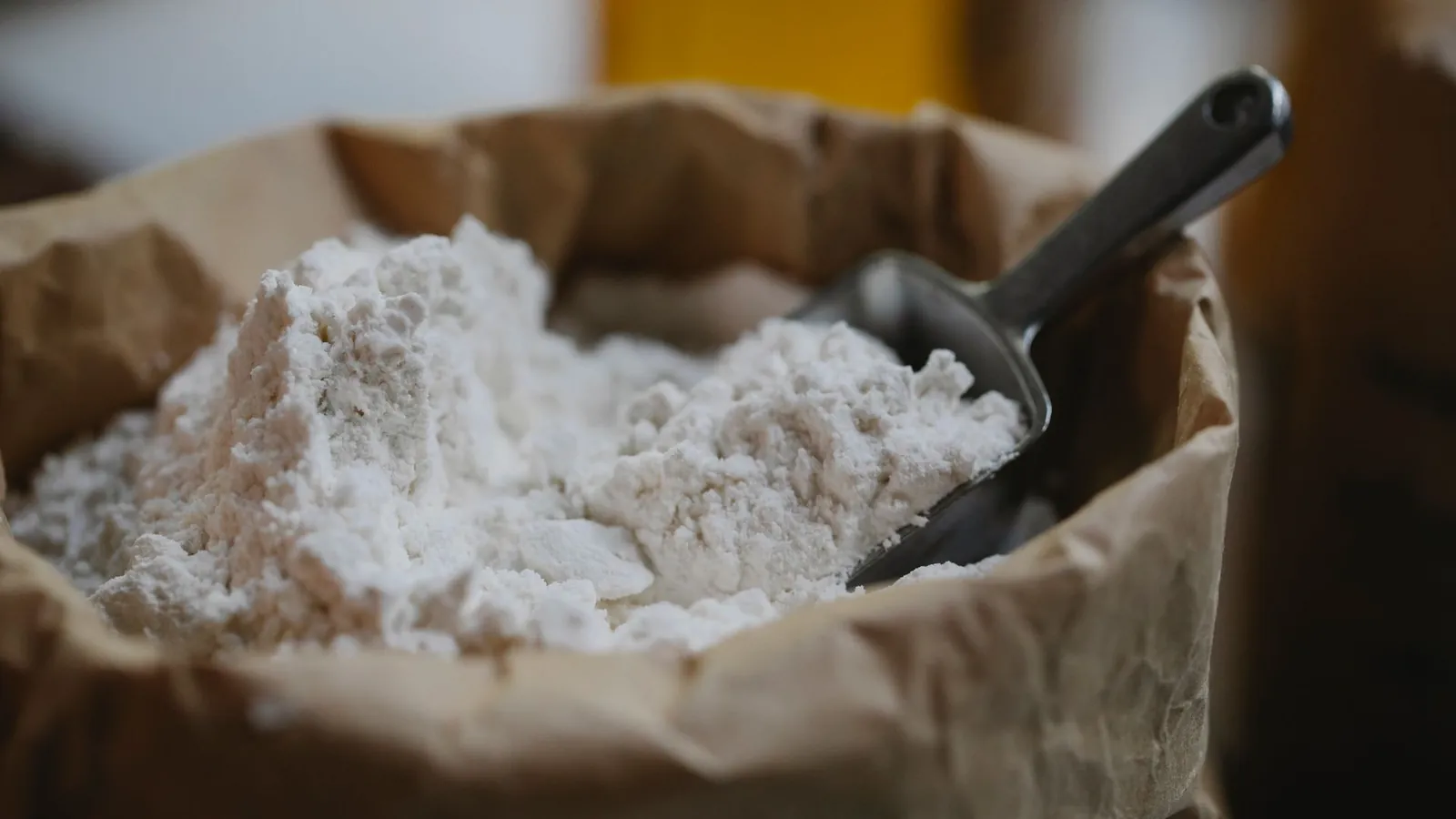
Picture a premix developer stirring cool water into a dessert powder. There is no pan waiting on the hob and no steam rising from the bowl. Yet the mixture begins to leave a trail behind the spoon. A moment earlier it poured freely. Now it is finding its pudding personality.
The starch has not skipped cooking altogether. For a conventional pregelatinised starch, that work happened before the ingredient reached the mixing bowl. Understanding this earlier treatment helps explain both the convenience of an instant mix and the occasional bowl full of stubborn lumps.
The earlier cook changes the starting point
Ordinary uncooked starch is made up of granules with an organised internal structure. In many food preparations, heating with sufficient water disrupts that order and allows the granules to swell, with starch material contributing to the developing body. This change is called gelatinisation.
Pregelatinised starch has undergone cooking and then drying during ingredient manufacture. The treatment changes its structure so that it can take up water and develop body during reconstitution without requiring the same cooking step in the final preparation. Its previous history becomes part of its present function.
That description does not mean every grade behaves identically. Starch source, processing method and physical form influence hydration, texture and handling. One powder may develop body quickly, while another gives a different preparation window or eating texture. Compare the grade in the actual food rather than choosing by the general name alone.
Pregelatinised and chemically modified are different ideas
Pregelatinisation describes a physical preparation route involving cooking and drying. Chemical modification describes changes made to starch through chemical treatment to alter particular properties. The terms answer different questions: one concerns prior cooking, while the other concerns a different kind of structural adjustment.
A pregelatinised starch can also have other modifications. The words on a technical description therefore need to be read together. Ask which treatments the ingredient has received and which performance characteristics are supported in the intended application. Do not infer the full specification from the word instant.
Ordinary uncooked starch will not usually perform the same way in a cool-water preparation. Simply replacing an instant thickener with a similar-looking raw starch can leave the dessert thin or powdery. The bowl may look as though it needs more stirring when it actually needs a different ingredient or process.
Fast thickening can get ahead of the spoon
When powder meets water, the outside of a clump may hydrate before the inside has dispersed. A thick outer layer can trap dry material, leaving lumps that resist further mixing. This is a distribution problem, even though the ingredient itself is capable of taking up water.
The addition sequence and mixing method therefore matter. Suitable dry blending with other recipe powders can help distribute the starch before hydration, where appropriate to the formulation. Controlled addition and effective movement through the bowl also help, but the method must work with the intended preparation equipment.
A powerful laboratory mixer can hide a problem that appears with a spoon or a small kitchen whisk. If the product is designed for simple preparation, use that method in development. Ease of mixing is part of the product experience, alongside the texture eventually achieved.
Decide when the texture needs to arrive
Some mixes need immediate body to hold particles in place. Others need enough time to pour into a mould before they thicken further. Write down the sequence the user is expected to follow and assess the product at the relevant stages.
The liquid matters too. Water and milk are not interchangeable test media, and temperature affects preparation. Sugar, salts, acidity and other ingredients can influence hydration and the finished structure. A successful starch-in-water cup is a useful starting observation, but it does not establish performance in the complete dessert or soup.
- Use the intended liquid, preparation temperature and mixing utensil.
- Record powder addition order and the effort needed to disperse it.
- Check for dry pockets as well as visible surface lumps.
- Observe texture during mixing, pouring and the intended hold.
- Assess smoothness, spoonability and any liquid separation.
- Repeat the comparison in the complete recipe and serving method.
Let the finished bowl make the decision
A thicker sample is not automatically the better sample. The dessert might become pasty, or a soup might coat the mouth more heavily than intended. Compare flow, smoothness and flavour release as distinct observations. Keep the serving temperature consistent when discussing the result.
If the preparation includes later heating or reheating, include it in the trial. Cold-mix convenience does not guarantee that every grade will behave identically through the rest of the product's journey. Confirm the texture after the actual sequence and check the current FSSAI regulations when reviewing the formulation and wording.
Back at the bowl, the quiet thickening now has a clear explanation. Ask Specsy or the SpecSol team to help match the starch to your preparation brief. The cooking may have happened earlier, but the pleasant spoonful still needs to happen here.