

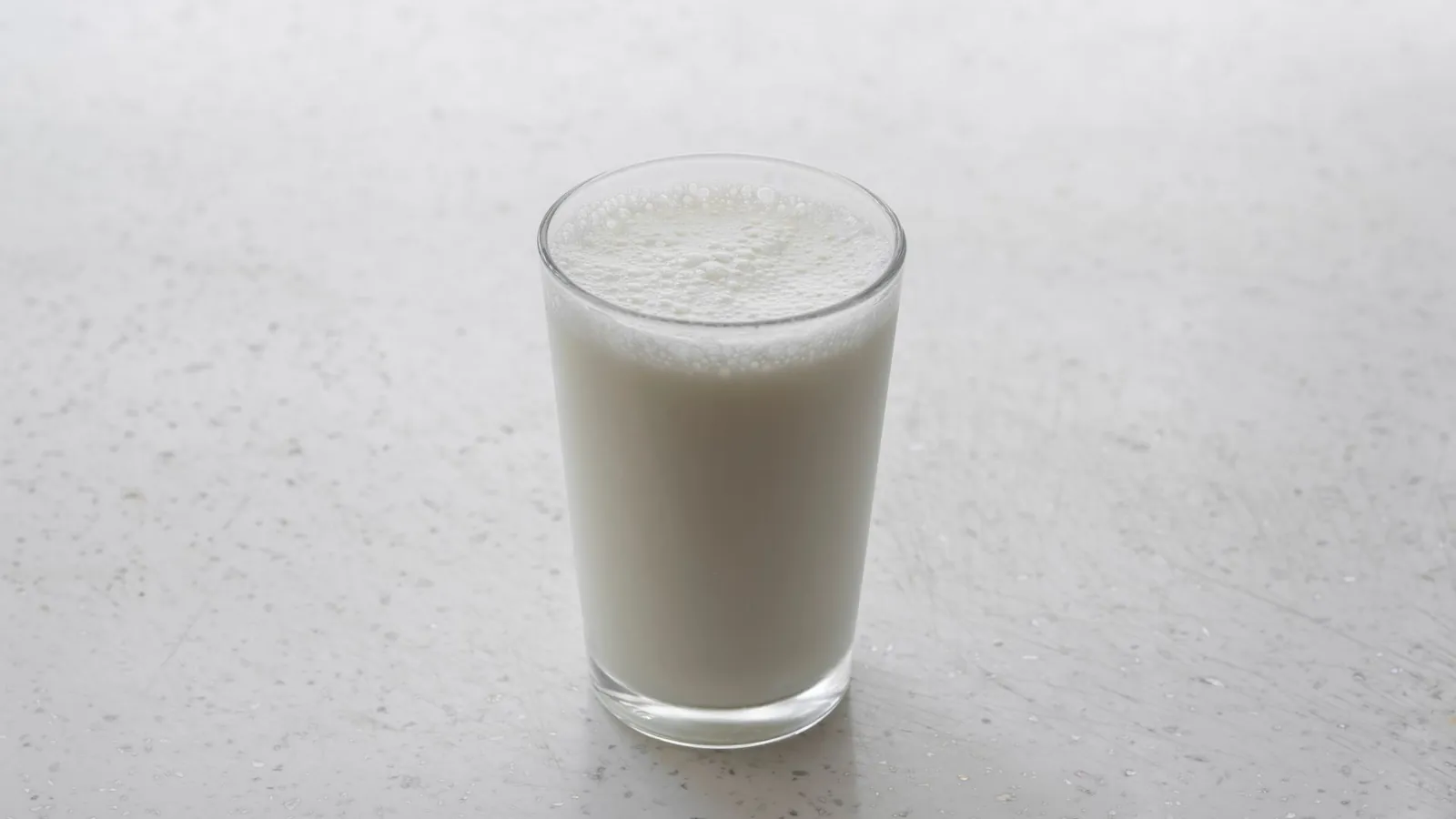
Imagine a dairy developer tasting a milk sample and reaching straight for the recipe sheet. The milk seems sweeter than the reference. The sugar-addition line is unchanged. A colleague checks the sample label, and the explanation is already there. This portion has been treated with lactase.
The change is a useful example of how food chemistry can alter perception without an extra spoonful of sugar. Lactase acts on the lactose already present in milk. Understanding that reaction helps a development team plan its process, assess flavour and ask for the right analytical evidence.
A milk sugar becomes smaller sugars
Lactose is a sugar made from linked glucose and galactose units. Lactase is an enzyme that helps split that link through a reaction with water, called hydrolysis. The resulting mixture contains glucose and galactose, with the amount of lactose remaining determined by how far the reaction has progressed.
These sugars differ in their perceived sweetness. Glucose and galactose are sweeter than lactose under comparable conditions, so hydrolysis can make milk taste sweeter. The size of the sensory change depends on the extent of the reaction and the rest of the product.
The sugars remain part of the food after the reaction. Hydrolysis changes their form, and the nutritional description needs to reflect the actual finished composition. It is helpful to explain the chemistry clearly when development, QA and commercial colleagues discuss what the process achieves.
The enzyme needs suitable working conditions
An enzyme's performance depends on its environment. Lactase preparations differ, and their activity is affected by temperature, acidity and the conditions for which they were selected. Use the technical information for the specific preparation when designing the process.
Time matters because the reaction develops during contact with the milk. Temperature affects the reaction rate, while sufficiently severe heating can inactivate the enzyme. The response varies with the preparation, so a universal holding time or temperature would be a poor basis for a production decision.
Enzyme condition matters before it reaches the milk too. Review storage and handling instructions, trace the preparation used and record how it is introduced. Consistent mixing helps distribute it through the product. A trial record should connect the enzyme identity with the milk and its processing history.
Follow the real process route
Different dairy processes place the enzyme treatment at different stages. Establish where contact begins, how the product is held and what happens next. The approved hygiene controls and validated heat treatment remain part of that route, and the development trial should reflect them.
Map the sequence with production and QA. Include transfers, waiting periods and the point at which analytical samples are collected. A bench trial with a convenient holding step may have a different reaction history from a continuous production line or a product treated later in its process.
Record actual product conditions alongside equipment settings. If the milk takes time to reach the intended temperature, that transition belongs in the history. The enzyme experiences the product around it, so the trial record should describe that experience as closely as practical.
Taste with a clear comparison
Prepare a reference from the same milk base and match the relevant handling conditions. Serve samples at the same temperature with neutral codes. Ask tasters to describe sweetness, milk flavour and any other noticeable differences. This gives a more useful record than an overall preference alone.
For a flavoured dairy drink, evaluate the full recipe too. Cocoa, fruit, coffee-style flavours and other ingredients can change how sweetness is perceived. A change that seems obvious in plain milk may be less noticeable in a strongly flavoured product or may alter its flavour balance.
If the development objective includes adjusting added sugar, treat that as a separate formulation comparison after the enzyme process is understood. Assess the resulting body and flavour as well as sweetness. Each recipe change should have an identifiable place in the record.
- Identify the milk base and lactase preparation used.
- Record enzyme handling, addition sequence and mixing.
- Track product temperature, acidity and contact time through the process.
- Compare coded samples at the same serving temperature.
- Agree sampling and analysis for the lactose remaining in the product.
- Review the finished composition and the intended label wording.
Let analysis answer the composition question
Sweetness is a sensory observation. To establish residual lactose, use an appropriate analytical method with suitable sample handling. Arrange that handling with the laboratory, since continued enzyme activity in a sample can change the composition between collection and measurement.
Claims need evidence that represents the intended product and process. Check the current FSSAI regulations and agree the analytical requirements with the responsible technical team. Keep the result linked to the process record so that a successful trial can be evaluated for routine production.
Our developer can put the sugar scoop mystery to rest and move on to a well-designed comparison. Ask Specsy about the reaction, or bring the process sequence to the SpecSol team. A sweeter-tasting sample is a pleasant beginning to a conversation grounded in what actually changed inside the milk.