

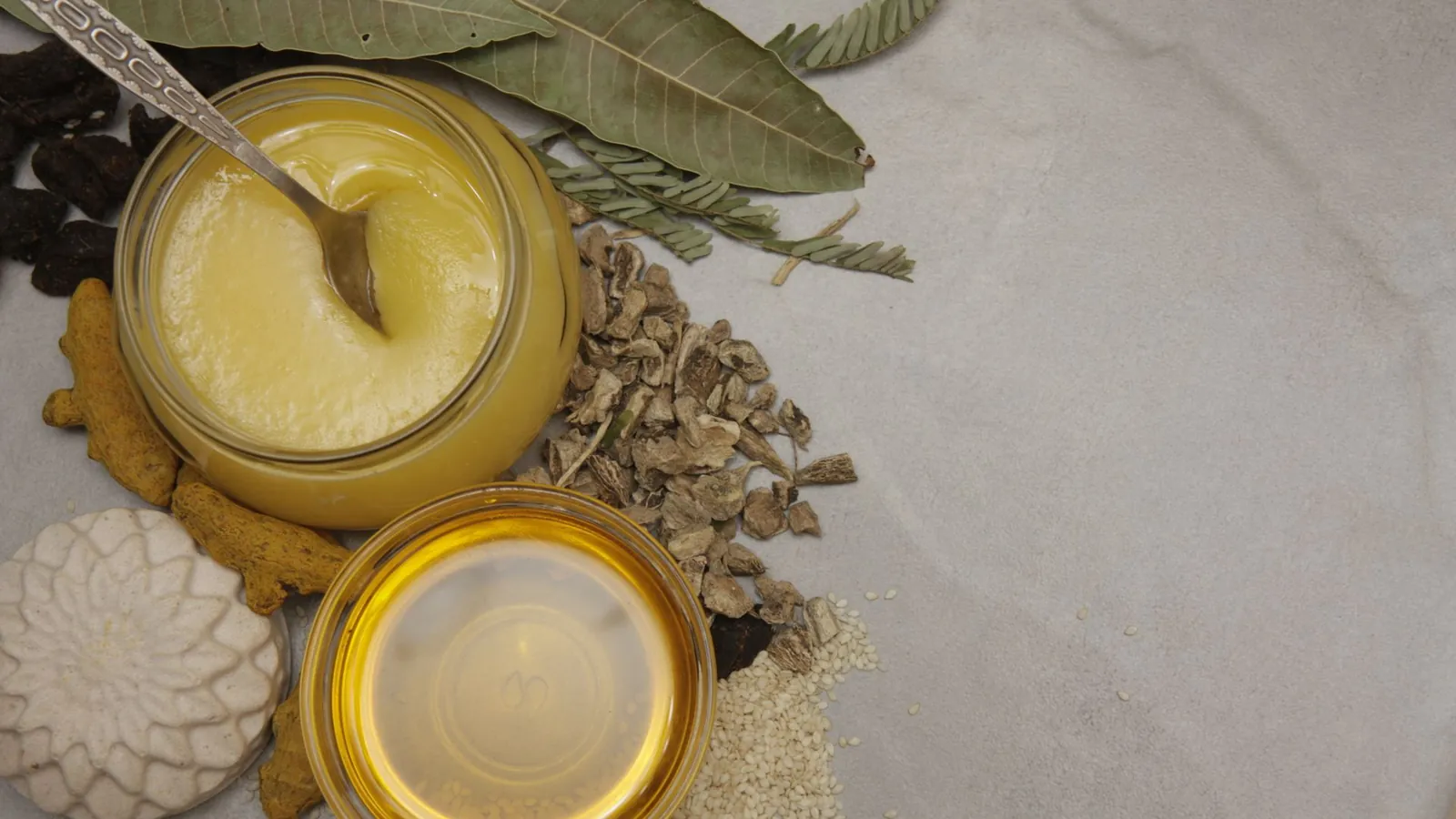
Picture a dairy operator beside the ghee vessel. A warm, nutty aroma rises into the room, and the batch seems almost ready. Then the scraper brings up a darker streak of residue. The fragrance is still inviting, but the solids at the bottom are telling a more urgent story.
This is the tricky part of clarification. The desired cooked character and an unwanted burnt note can develop along the same heating journey. Recognising the finish means watching what is happening to the water, the milk solids and the hot equipment together.
The water has been doing a quiet job
Butter or cream brings milk fat, water and non-fat milk solids into the process. During clarification, water evaporates and the fat becomes separated from much of the remaining solids. The starting material and preparation method influence how this journey unfolds, so record them before comparing batches.
While water is being driven off, evaporation takes up heat. As less water remains, the behaviour of the contents changes. Heating that seemed manageable earlier can produce a faster rise in product temperature near the finish. The same control setting does not guarantee the same pace throughout the cook.
Listen and look as well as reading the instrument. Bubbling, foam and the appearance of the solids may change as clarification progresses. These are useful observations when connected to a validated procedure. They are not substitutes for the measurements and checks used to control the process.
The aroma comes with a colour story
The remaining milk solids contain components that undergo browning reactions during heating. Reactions involving milk sugar and proteins contribute to cooked aroma and colour. Their progress depends on the local conditions, including heat exposure and moisture, rather than on the clock alone.
A pleasant nutty note does not mean every part of the vessel is at the same stage. Solids resting against a hot surface may darken faster than material moving freely through the fat. Inspect the residue and the heating surface when a batch develops an unexpectedly harsh finish.
Keep desirable browning separate from local scorching. An even progression in residue colour tells a different story from black specks or a burnt patch. Check scraper contact, agitation and places where material can collect. Adding another flavour cannot undo a scorched fraction already mixed into the batch.
Switching off is not an instant full stop
The vessel, heating jacket and product all hold heat. When the main heat input stops, that stored energy does not disappear. The solids can continue changing while the batch waits for settling, transfer or separation. A well-chosen heating endpoint therefore includes what happens immediately afterwards.
This becomes particularly noticeable when moving from a small trial to a larger vessel. Different equipment and batch sizes lose heat differently. Copying the trial's switch-off moment without considering the following hold can produce a darker result even when the recipe is unchanged.
Map the route from the end of heating to separation from the milk solids. Record any queue before the next step and whether the last portion follows the same route as the first. Use an established separation method suitable for the equipment and product, with controlled handling of the hot fat.
Judge the cooled sample, not just the room
The aroma above a hot vessel is an encouraging preview, but it is not the finished eating experience. Collect representative samples using the site's procedure and cool them consistently. Compare at a matched assessment temperature, with the same interval between preparation and evaluation.
Describe the aroma in useful words: nutty, cooked, caramel-like, harsh or burnt. Record residue colour separately from the colour of the clarified fat. These observations describe related but different things. A darker residue does not automatically prove that the finished ghee has the desired flavour.
- Identify the starting material and its preparation history.
- Record product observations through the final heating stage.
- Inspect residue colour and any signs of local scorching.
- Include the waiting and separation steps after heat input stops.
- Compare cooled samples under matched conditions.
- Keep the chosen aroma target alongside the process record.
For a practical comparison, change a single part of the endpoint or post-heating sequence within an approved trial. Keep the other conditions steady and include the normal process as a reference. Assess the resulting fat after separation, since that is the product the rest of the team will handle.
This investigation concerns flavour developed during clarification. An unwanted note that appears later in storage needs a separate look at storage conditions and fat deterioration. Keeping those questions separate stops a kettle adjustment from being blamed for a problem that begins much further down the route.
Back beside the imagined vessel, the operator now has more than a promising smell to work with. The residue, the temperature record and the next processing step all have a speaking part. Ask Specsy or the SpecSol team to help connect those observations, and give that lovely nutty note a finish it deserves.