

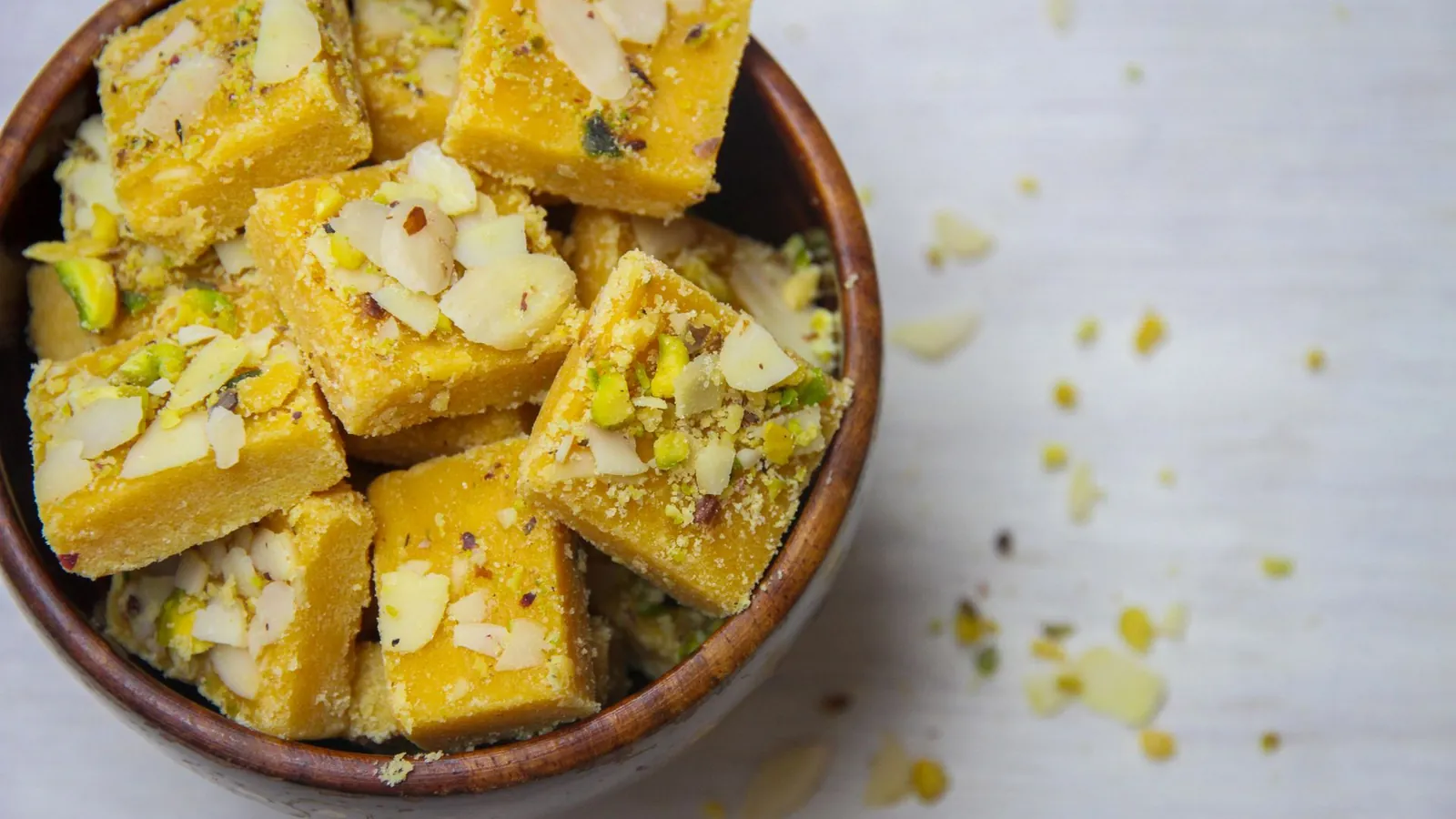
Imagine a confectionery QA lead cutting a neat square of fudge. The surface looks smooth, the colour is inviting, and the knife leaves a tidy edge. Then comes the bite. Among the creamy sweetness is an unexpected sandy crunch. The piece has passed the eye test and surprised the mouth.
Fudge gives sugar crystals a deliberate role in texture. The trick is controlling their size and distribution. A mass of fine crystals can feel smooth, while larger crystals become noticeable as grit. Understanding how those crystals form makes the cooking and cooling records much more useful.
Small crystals make a big difference
Sugar dissolves in the water present in the mixture. Cooking removes water and concentrates the solution. As the cooked mass cools, the solution can contain more dissolved sugar than would remain dissolved at equilibrium under those conditions. This state is called supersaturation, and it creates the opportunity for crystallisation.
Crystallisation has a beginning and a growth stage. Tiny starting points form, then more sugar joins them. When the process creates many small crystals and controls their growth, the finished sweet can develop the fine texture associated with fudge. A smaller population that grows larger can give a coarser bite.
The whole recipe influences this behaviour. Other sugars, milk solids and fat affect how the mixture cooks and how sugar crystallisation proceeds. Keep their identity and composition consistent when comparing process changes. A different syrup or milk ingredient can quietly change the conditions even when the recipe weights look familiar.
Cooling and agitation work together
The timing of agitation matters because stirring can encourage crystals to begin forming. Agitating at an unsuitable stage can favour a coarse result. In a typical fudge process, controlled cooling before the intended beating step helps the team manage when crystallisation starts and how it develops.
Follow a procedure established for the particular recipe and equipment. The cooling behaviour of a shallow development pan differs from that of a large production vessel. The surface may cool while the centre stays warmer, so a single convenient temperature reading may miss variation within the mass.
Record the cooling path, the point at which agitation begins and the way the mixture changes during beating. Thickening, loss of gloss and changes in flow can be useful observations when linked to the process record. Agree on the endpoint so that different operators are aiming for the same condition.
Check the crystals that arrived early
Crystals already present can provide starting points for further crystallisation. Undissolved sugar, dried material on a vessel wall or residue on a utensil may introduce those seeds before the intended stage. That makes equipment preparation part of texture control as well as normal hygiene.
Look at the whole product route. A clean kettle can still feed through a transfer point with dried sugary residue. Scraping material from a cooler or drier surface into the main mass can also change the crystal population. Record those handling steps when a batch behaves differently.
Use the established cleaning and transfer procedure, and check that sugar dissolving is complete at the appropriate stage. Avoid improvising a correction during a comparison trial. Adding water or changing the cooking endpoint alters the concentration history and makes it harder to identify what caused the grit.
Give the bite time to settle
A warm spoonful and a fully set piece offer different experiences. Judge texture after the normal setting period and at a matched serving temperature. Cut comparable pieces and use the same tasting approach so that differences in thickness or warmth do not distract from the crystal texture.
Describe what the mouth actually notices. Sandy grit, a crumbly break, excessive stickiness and a firm chew are useful separate observations. They may occur together, but writing them separately gives the development team more information than simply marking a sample as poor.
- Confirm ingredient identity and the intended recipe before the trial.
- Check dissolving and inspect contact surfaces for unwanted crystal seeds.
- Record cooking endpoint, cooling conditions and agitation sequence.
- Sample consistently from the mass and note any location differences.
- Compare set pieces at the same temperature and stage of storage.
Change the process with a clear question
Choose the most plausible source of variation and compare it with a reference batch. If cooling is uneven, examine the handling and measurement procedure. If grit follows a particular transfer step, inspect that step closely. Keep the other conditions steady enough for the result to answer the question.
Retain pieces in the intended packaging and revisit texture during storage. Moisture movement can change the eating experience after setting, so the finished pack belongs in the assessment. Keep those later observations beside the initial bite test to see when the unwanted texture first becomes noticeable.
The QA lead's surprising crunch is a useful starting point for a better process record. Share the cooling and beating sequence with Specsy or the SpecSol team, and ask a technical question about the next trial. Fine crystals can then do their quiet work while the fudge gets on with being enjoyable.