

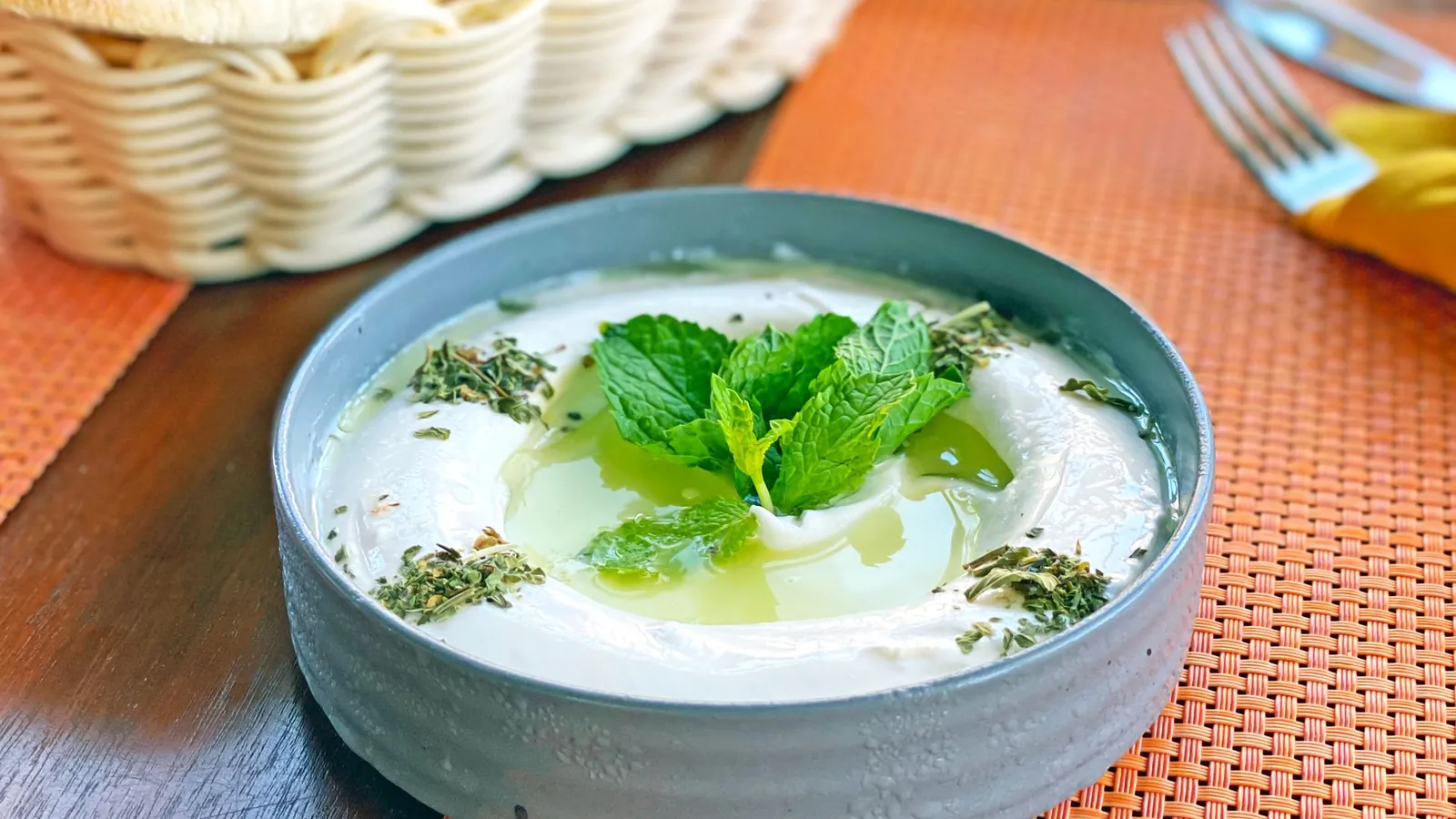
Picture a developer lifting a spoon from a dip trial. The mound holds beautifully, just like the reference. At the tasting table, the smiles are less certain. The new version drags across the tongue and clings to the palate. The spoon says the texture is right; the mouth has a different opinion.
The recipe has less fat, and extra body has helped restore its appearance. But thickness and lubrication are different properties. A dip must resist flowing enough to sit on the food, then move comfortably between the tongue, palate and other surfaces during eating. One measurement cannot describe both jobs.
The spoon tests one part of the experience
Viscosity describes resistance to flow under specified conditions. In everyday terms, it helps explain why one dip pours readily while another moves slowly. Many dips change their resistance as they are stirred or spread, so even a viscosity result needs a defined test method.
Lubrication concerns how easily contacting surfaces slide past each other with the food between them. The mouth brings pressure, movement, saliva and changing temperature into the picture. These conditions differ greatly from a spoon standing in a cup.
A thick product can slide pleasantly, while another with similar spoon behaviour can feel sticky or pasty. Smoothness, particles and the coating left after swallowing add further dimensions. Asking whether the dip is creamy can hide all these separate observations inside a single familiar word.
Fat does more than hold a place in the recipe
In an emulsion-style dip, fat droplets are dispersed through a watery phase. Their amount, size, distribution and interaction with other ingredients influence the structure. During eating, fat can contribute to lubrication, flavour perception and the coating sensation.
Removing some fat changes the space occupied by those droplets and the balance of the remaining ingredients. Replacing that space with water and thickening material may restore a spoonable consistency, but it creates a different system. The mouth can notice that difference immediately.
Thickening ingredients have their own behaviours. Some give a short, clean texture, while others can create more persistent or sticky sensations in a particular application. Their performance depends on the food and process, so an ingredient's ability to raise viscosity does not predict the complete eating experience.
Start with a clear sensory brief
Describe what the reference does in the mouth. Does it spread readily? Does it feel smooth or slightly particulate? How long does the coating remain? Use short, shared definitions so that the team can discuss a change without every observation becoming thicker or creamier.
Keep flavour in the comparison. Changing the fat and water balance can alter how aroma compounds are distributed and perceived. Acidity, saltiness and sweetness may also feel different in the changed texture, even when their recipe quantities were initially left alone.
Taste with the intended accompaniment as well as on a spoon. A dip for a crisp snack must work when spread across a dry surface. One served with vegetables meets a different combination of water, texture and flavour. The application helps explain which sensations matter most.
Compare movement, coating and finish
Use consistent serving temperature and sample preparation. Let tasters make observations independently before discussing the result. Coded samples can help keep expectations about the reformulation from deciding the verdict before the first bite.
- Compare spoonability and spreading under the same conditions.
- Describe smoothness and any visible or felt particles.
- Record drag, stickiness and pastiness during eating.
- Note the amount and persistence of mouth coating.
- Compare flavour intensity and how the finish changes.
- Repeat the assessment with the intended accompanying food.
If instrumental measurements are available, use them to support clearly defined questions. Flow measurements can help describe spreading and handling. Specialist friction measurements may support investigation of lubrication, but they still need interpretation alongside sensory assessment in the actual food.
Keep stability in view as well. A promising fresh sample must still perform through the intended processing and storage. Observe separation, changes in body and flavour development, using the established product testing programme rather than assuming a pleasant first tasting completes the work.
Reformulate the system, then assess the result
Map the jobs of the ingredients before the next trial. Consider the emulsion structure, water management, particle character and processing sequence together. Change a defined part of that system and retain a reference, so the team learns why the mouthfeel improved.
Avoid simply increasing thickness whenever the panel asks for more creaminess. That can move a pasty dip further from the desired result. Translate the request into an observable feature, such as easier spreading in the mouth or less lingering adhesion, before selecting the next adjustment.
Assess the complete nutrition profile using an appropriate basis and supporting evidence. Removing fat does not by itself describe every nutritional change in the finished food. For proposed claims and labelling, check the current FSSAI regulations.
The spoon was useful; it simply had a smaller job than everyone gave it. Ask Specsy or the SpecSol team to help turn your tasting notes into a practical dip trial. A good result should look inviting in the bowl and feel just as welcome in the next bite.