

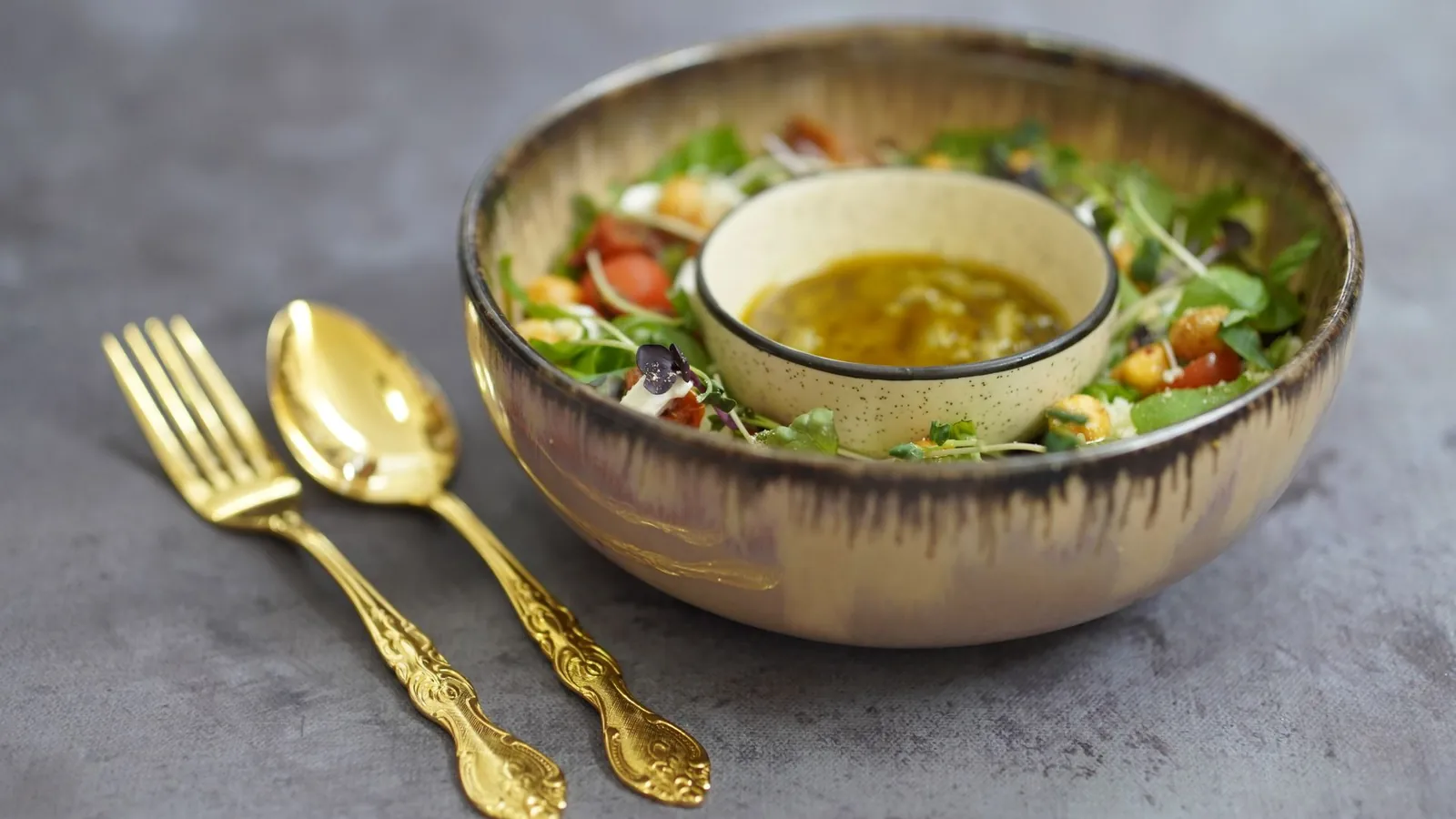
Picture a sauce QA lead checking the pH of dressing samples. The readings match closely. At the tasting bench, however, one sample delivers a gentle tang while another has the panel reaching for water. The meter is checked again, as though it might change its mind.
It need not be faulty. pH is a useful measurement, but it is not a sourness score. Acidity has several aspects, and our experience of a dressing includes far more than the number on a meter. Understanding the difference makes both formulation and troubleshooting less frustrating.
What the pH meter is telling you
pH describes hydrogen ion activity in a sample. A lower pH indicates greater acidity in this particular sense. The scale is logarithmic: each whole step down means roughly ten times more hydrogen ion activity, so the numbers do not climb in neat, equal spoonfuls of acid. For formulation work, the important point is that pH describes the current chemical condition.
It does not directly report the total quantity of acid present. Food ingredients interact with acids, and some resist changes in pH. This ability is called buffering. Proteins and other components can contribute, so acid added to a dressing does not necessarily change pH as it would in plain water.
Imagine adding acid to different mixtures and watching the readings respond differently. The mixtures are not ignoring the acid. Their composition changes how that addition affects the measured condition. That is why a recipe adjustment must be assessed in the actual dressing.
Another question: titratable acidity
Titratable acidity measures how much standard alkali is needed to bring a sample to a defined test endpoint. It captures the sample's response during neutralisation. The method, endpoint and reporting basis belong with the result, because changing those details can change what the reported value means.
A useful everyday distinction is that pH describes the starting condition, while titration explores how much neutralisation is required to reach the chosen endpoint. They are related measurements, but they are not interchangeable. Samples can share a pH and still have different titratable acidity.
Neither measurement is a complete sensory model. Titratable acidity can help explain differences that pH alone misses, but it does not turn directly into a universal prediction of sourness. The acid present and the rest of the food still matter.
Acids arrive with different personalities
Acid type influences perceived sourness and the way it develops during eating. An acidic ingredient can also contribute aroma and other flavour compounds. A vinegar-containing dressing, for example, offers a different overall sensory experience from a dressing acidified with a relatively neutral-tasting acid solution.
Sweetness can soften the perception of sourness without removing the acid. Salt and other flavour components can also change the overall balance. The texture of an emulsion and the way it coats the mouth contribute to the experience, so matching pH alone leaves many moving parts.
Serving conditions add another layer. A chilled sample and a warmer sample should not be used to settle a subtle flavour difference. Nor should a large spoonful follow a tiny one without thought. Keep temperature, portion and tasting order controlled before changing the recipe to solve a sensory problem.
Let measurement and tasting work together
First make the pH comparison trustworthy. Use a calibrated meter, an electrode suited to the food and a consistent sample preparation method. Follow the laboratory procedure for sample temperature and equilibration. A dressing with particles or a thick texture needs a defined method, not an improvised dip.
If titratable acidity is measured, use the same method for both samples and keep the reporting basis clear. Then conduct a coded sensory comparison. Ask about sourness intensity, sharpness, lingering acidity and overall balance rather than collapsing every observation into whether the dressing is nice.
- Confirm the pH method and instrument condition.
- Record acid type and the other acidic ingredients in the recipe.
- Compare titratable acidity using a shared method where useful.
- Match serving temperature, portion and time after preparation.
- Record sweetness, saltiness and texture alongside sourness.
A flavour fix is not a preservation decision
Adding sweetness may make the dressing taste gentler while leaving its measured acidity largely unchanged. Reducing acid can change the conditions on which preservation depends. Neither a pleasant taste nor a familiar pH reading alone validates the complete product and process.
Keep flavour development connected to the responsible technical review. If the acid system or recipe changes, assess its effect on the established preservation approach and check the current FSSAI regulations. A tasting panel's role is valuable, but it cannot certify product safety.
Back at the imagined bench, the meter and the tasters can both be right. They have simply noticed different parts of the dressing. Ask Specsy or the SpecSol team to help bring those observations together, and the next trial can aim for the right tang with a much clearer question.