

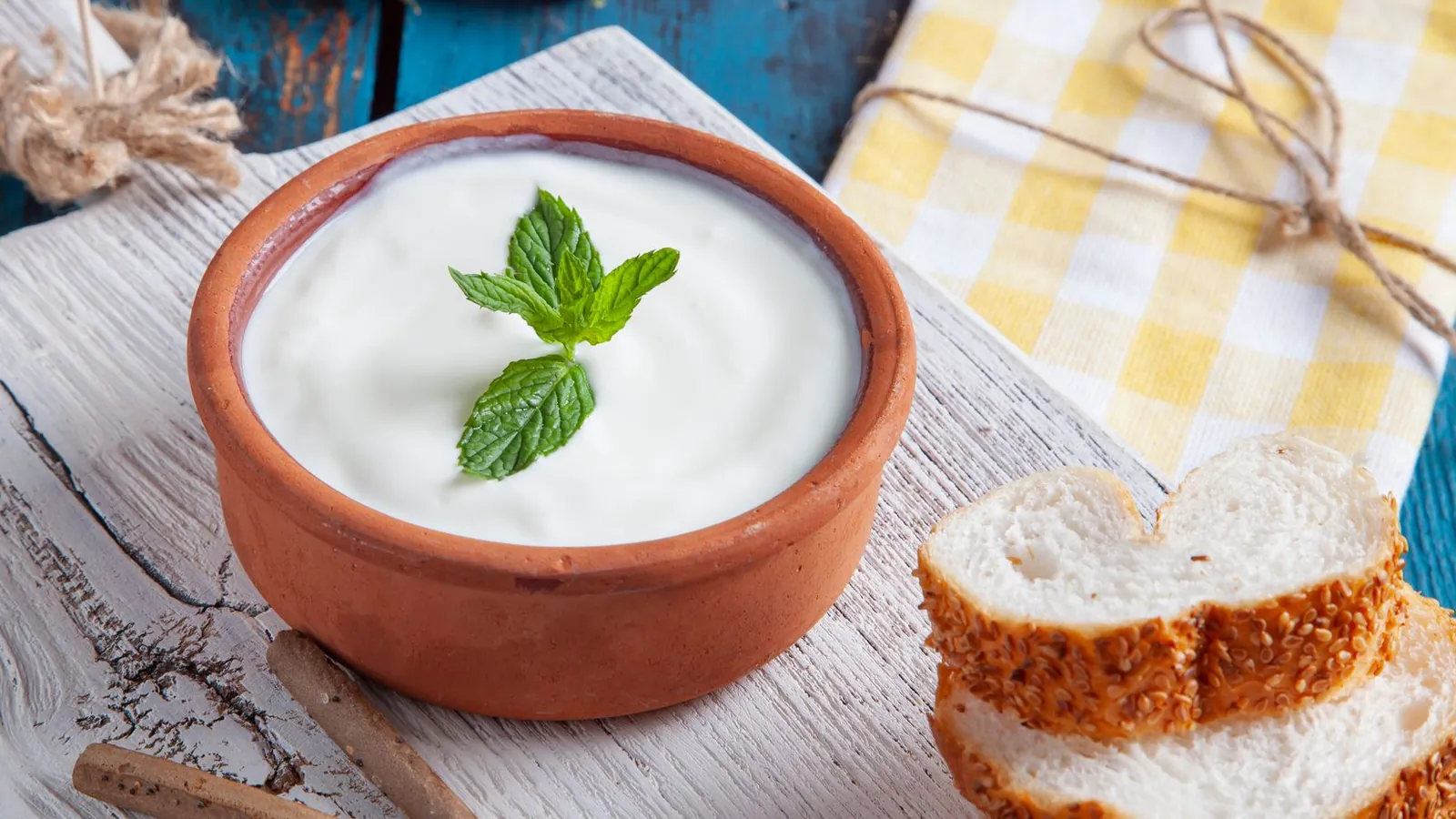
Picture a QA lead peeling the lid from a retained cup of dahi. The spoon goes in neatly. The texture looks familiar. Then comes the taste: noticeably sharper than the fresh sample that everyone liked. The cup has kept its shape, but its flavour has moved on.
There is no need to invent a mystery ingredient. In dahi made with live cultures, fermentation does not necessarily stop the moment the team decides the product is ready. The useful question is what the cultures have been doing between that decision and this spoonful.
The cultures have not read the dispatch note
Starter cultures are living microorganisms selected for their work in food. The acid-producing bacteria used in dahi convert milk sugar into products that include lactic acid. As acid develops, the milk becomes tangier and its proteins form the structure we recognise as dahi.
The intended fermentation endpoint marks the flavour and acidity the process is designed to reach. Cooling then slows microbial activity. It is a brake, rather than a magical off switch. Depending on the cultures and conditions, further acid can develop after the main fermentation stage. That continuing change is called post-acidification.
A little flavour development may fit the intended product. A cup that becomes much sharper than expected needs investigation. Start by defining the desired eating character: gentle and milky, distinctly tangy, or somewhere between. Without that reference, the team can argue about sourness while imagining different ideal cups.
Follow the cup into the cold room
A cold-room display describes the air at its sensor. It does not tell you how quickly the centre of a warm cup cools. Pack size, loading pattern, spacing and the amount of warm product entering together can all affect the cooling journey. The product can remain warm after the room looks reassuringly cold.
Trace what actually happens after fermentation. Is there a wait before cooling starts? Are cups stacked in a way that slows heat removal? Does product sit near the filling or packing area while the next operation catches up? These ordinary pauses deserve a place beside the recipe in the investigation.
Use the site's approved monitoring approach to follow product temperature as well as storage conditions. Compare equivalent packs and loading positions. Keep any changes within the validated process. Simply choosing an earlier fermentation endpoint can change the initial flavour and set, while leaving the cooling problem untouched.
Choose a culture for the whole journey
Culture selection influences more than how quickly milk reaches the fermentation endpoint. Cultures can also differ in aroma development and their tendency to continue producing acid during refrigerated storage. A culture that gives an attractive fresh sample still needs to suit the intended distribution and eating window.
Compare candidate cultures in the same milk base, pack and process. Otherwise a change in milk solids or cooling conditions may receive the credit that belongs elsewhere. Record culture handling too: storage and preparation should follow the relevant technical instructions, because an inconsistent start makes later comparisons harder.
Ask for the expected flavour profile and post-acidification behaviour, then verify them in your own product. Descriptions help shortlist options. They cannot reproduce every combination of milk composition, equipment, packaging and cold-chain conditions in your plant.
Give the tasting spoon a notebook
Compare fresh and retained cups at planned points through storage, using consistent serving temperature and plain sample codes. A colder sample can feel different in the mouth, so tasting straight from different storage locations creates an avoidable distraction. Describe the change before deciding whether you like it.
Pair tasting with suitable acidity measurements. pH describes one aspect of acidity; titratable acidity describes the acid neutralised in a defined test. They are related but are not interchangeable. Neither reading alone fully describes flavour, which also depends on the milk base and fermentation aromas.
- Record the fermentation endpoint and how it was measured.
- Follow the cooling history of the product, including waiting periods.
- Retain identified cups in the intended pack under monitored storage.
- Compare sourness, aroma and acidity at matching stages.
- Change one suspected cause at a time and check the whole storage journey.
Keep the question about flavour clear
Unexpected sourness is a quality observation, not a safety test. Any abnormal pack, odour or other sign of spoilage belongs in the site's food safety procedure, rather than an informal tasting session. Likewise, an acceptable taste does not establish shelf life.
For normal, suitable trial samples, the aim is straightforward: connect the sharper spoonful to a documented change in culture behaviour or product history. The retained cup is useful because it tells you what the fresh cup could not. Listen to both, and the next conversation about tang becomes much easier.