

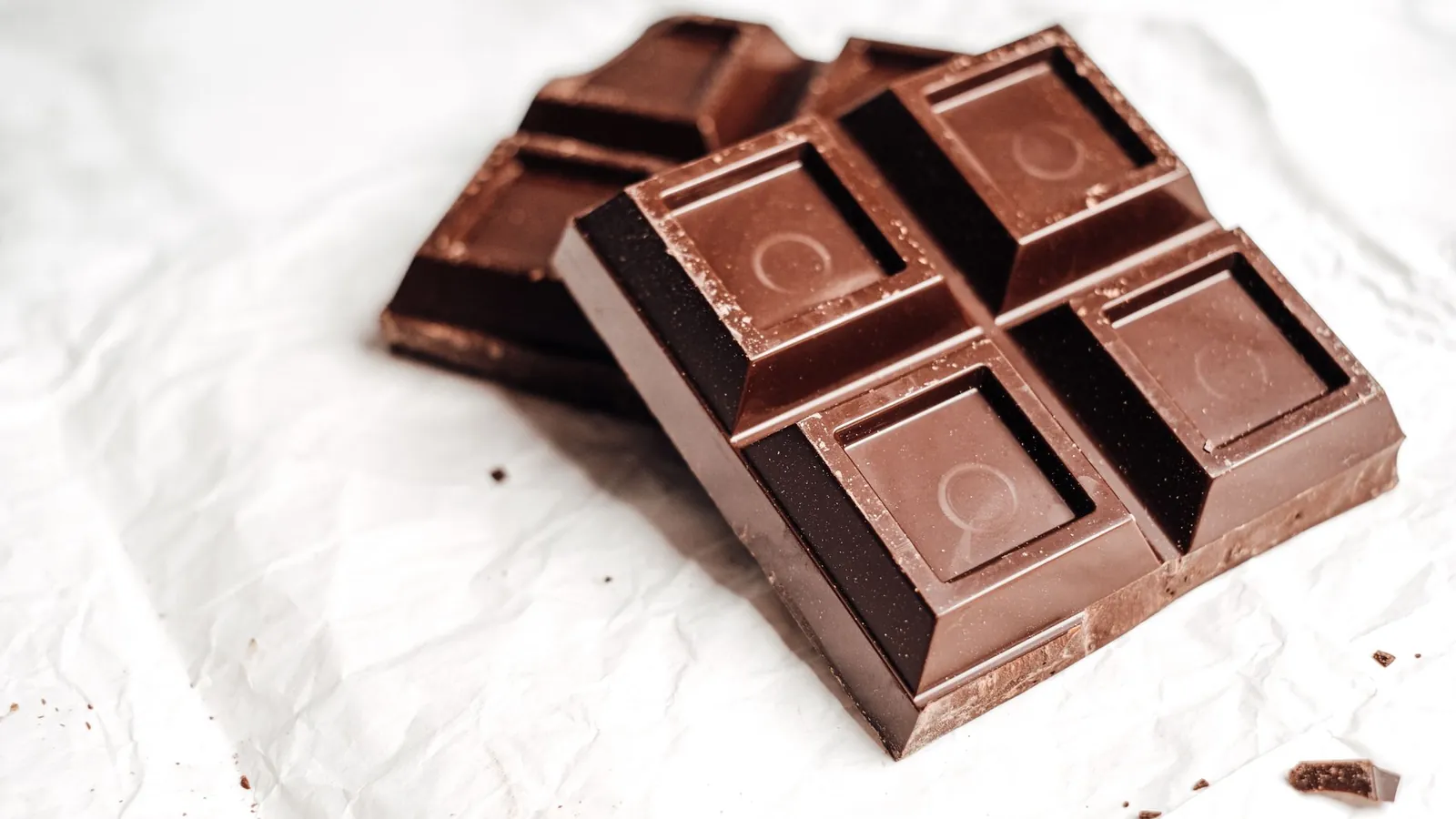
Imagine a confectionery QA lead opening a box of chocolates that left the line looking beautifully glossy. Several pieces now wear a pale coat. The shapes are tidy, the decorations are intact, and the surface looks as though someone has dusted it without asking.
Chocolate bloom is a familiar appearance defect, but the same pale impression can come from different mechanisms. Fat bloom involves the fat phase. Sugar bloom involves moisture and sugar at the surface. They can also occur together, which makes a diagnosis based only on colour rather hopeful.
Fat has a structure, not just a melting point
The cocoa butter in conventional chocolate can form different crystal arrangements. Tempering manages the development of a suitable crystal structure so the chocolate sets with the desired appearance and bite. A disrupted tempering or cooling process can leave a structure that changes later.
During storage, fat crystals can reorganise and fat can move within the product. Larger or differently arranged crystals near the surface can scatter light and make the chocolate look pale or dull. A piece that looks good immediately after setting has not yet demonstrated that its structure will remain stable.
Temperature history matters because warming and cooling affect the balance between solid and liquid fat. Repeated fluctuations can encourage changes even when nobody remembers the product becoming a puddle. Follow the actual storage and transport conditions rather than relying only on the intended room setting.
The filling can join the investigation
A filled chocolate contains neighbouring materials that may not keep their fat neatly to themselves. Oils from a filling can migrate into the shell and change its behaviour. The shell recipe, filling composition and storage conditions all influence that movement.
Compare plain shell pieces with filled pieces made under matched conditions. If the filled version changes while the plain reference remains attractive, the filling deserves closer attention. This comparison does not prove migration by itself, but it gives the investigation a useful direction.
Also record shell thickness, filling condition at depositing and the cooling sequence. A recipe sheet alone does not describe the contact between shell and filling. Avoid assuming that a successful unfilled chocolate automatically makes a stable filled product.
Sugar bloom begins with water
When a cold chocolate surface meets sufficiently warm, humid air, moisture can condense on it. That water can dissolve sugar at the surface. When the water later evaporates, sugar recrystallises, leaving a rough or pale deposit instead of the original smooth finish.
This is why movement out of cold storage deserves attention. Opening a cold pack in humid surroundings can expose the product directly to conditions that encourage condensation. Use a controlled handling and acclimatisation procedure suited to the product and packaging.
Look for other moisture routes too, including wet handling areas, packaging problems or contact with damp materials. Sugar bloom is not a request for a new tempering setting. If moisture is the cause, the corrective work belongs in moisture control and handling.
Let the history guide the examination
Fat bloom may look smooth or streaky; sugar bloom often feels rougher. These are useful observations, but they are not a definitive laboratory identification. Different products and overlapping defects can blur the distinction. Record appearance and texture without turning a fingertip impression into a certainty.
Photograph affected and unaffected pieces under similar lighting. Note where the pale areas occur: across the whole surface, near the filling boundary, or in patches associated with handling. Preserve identified samples for suitable technical examination if the mechanism remains unclear.
Compare pieces from the same production run that followed different storage routes. A retained sample kept under controlled conditions can be particularly helpful. If both samples change, look closely at manufacture and formulation. If only one changes, investigate its journey without assuming the recipe is innocent.
A small bloom checklist
- Record tempering, depositing and cooling history.
- Identify the shell and filling compositions used in the affected run.
- Trace temperature fluctuations and possible condensation events.
- Compare plain and filled pieces, plus affected and retained samples.
- Confirm the likely mechanism before choosing the next adjustment.
Keep appearance assessment separate from the product's safety decision. A pale film should not automatically be labelled harmless bloom if there are other unusual signs or the history is uncertain. Follow the normal quality procedure for deciding what can be examined or tasted.
Once the mechanism is clearer, the trial becomes more focused. Investigate fat structure and compatibility for a fat problem, or moisture exposure for a sugar problem. The pale coat is frustrating, but it carries clues. Read those clues before asking the whole recipe to change clothes.