

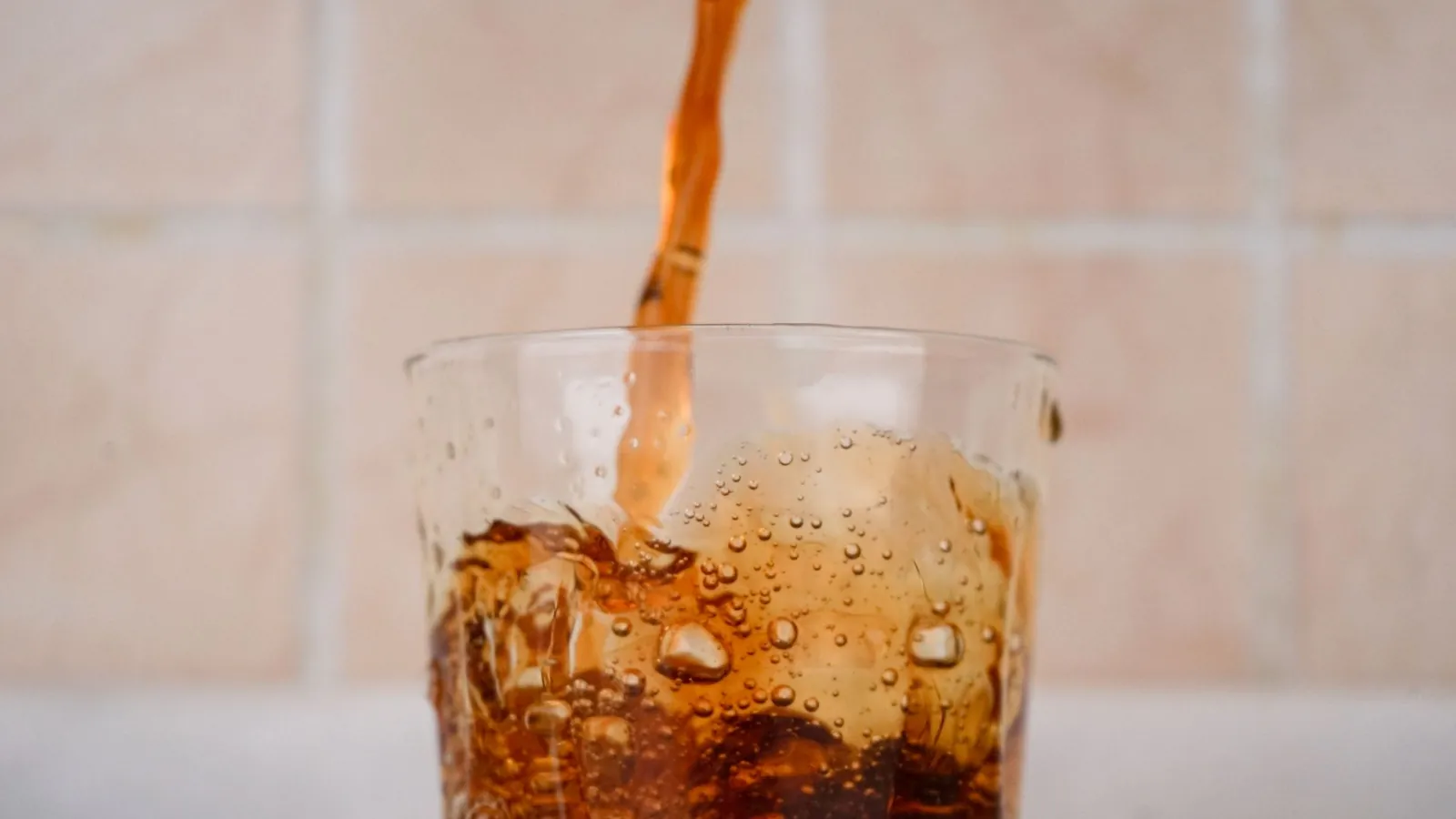
Picture a line operator watching bottles move into the filler. The drink looks calm in the supply system. At the filling heads, however, foam climbs towards the necks and spills over. The line has found its rhythm, but the drink seems determined to escape.
It is tempting to describe this as too much fizz and change the carbonation target. First, follow the product. A drink can release gas because its conditions change along the filling path, even when the tank measurement is exactly where the process expects it to be.
Carbon dioxide likes the right surroundings
Carbonation puts carbon dioxide into solution. At otherwise comparable conditions, colder liquid can hold more dissolved carbon dioxide, and greater carbon dioxide pressure above the liquid supports more gas staying dissolved. Change those conditions and the balance changes too.
When a carbonated drink warms or experiences a pressure drop, some dissolved gas can come out as bubbles. Opening a bottle makes the everyday version easy to see. On a filling line, pressure changes are part of the process, but they need to happen in the way the equipment and product were designed to handle.
That makes a single tank temperature an incomplete answer. The drink may warm between the tank and filler, particularly during interruptions or in a poorly controlled section of the route. A restart can therefore behave differently from a steady run, even with the same recipe.
Bubbles need somewhere to begin
Gas does not always emerge evenly from every part of the liquid. Tiny trapped gas pockets, particles and irregular surfaces can provide starting points for bubbles. This is called nucleation. The useful picture is a place where a bubble can get started more easily.
Turbulence, splashing and abrupt flow changes can encourage gas release and carry bubbles through the product. Look at transfers, restrictions and the entry into the container. A component that behaves acceptably with a still drink may reveal a different character when dissolved gas is involved.
Inspect containers and filling equipment through the normal quality and maintenance procedures. Residues, unsuitable surfaces or inconsistent container condition deserve attention. Do not assume every visible bubble has the same origin, and do not alter pressurised equipment outside its approved operating procedure.
Making foam and keeping foam are different jobs
A burst of bubbles can disappear quickly. Persistent foam needs liquid films around the bubbles that resist breaking. Some beverage components, including proteins and other surface-active materials, can help those films survive. The formula can therefore affect how long foam remains after gas has escaped.
Observe both stages. Does the problem begin as a violent surge at a particular filling step, or does a modest layer build up because it refuses to collapse? The first pattern points strongly towards the gas-release event. The second makes foam stability worth examining alongside the filling conditions.
Raw-material changes and cleaning performance can also deserve investigation when persistence changes unexpectedly. Keep these as hypotheses until the observations support them. Adding a processing aid to quiet the surface without understanding the cause can leave a pressure, temperature or hygiene issue unresolved.
Walk the line with the product
Draw a simple route from the tank through the transfer system to the filler and closure. Mark where temperature and pressure are measured, where product waits, and where the flow changes direction or passes a restriction. Use available validated instruments and record their locations.
Compare a troublesome run with a stable run of the same product. Include start-up, steady running, pauses and restart. Record line speed and the filling sequence as well as the recipe. If foaming follows a particular interruption, that timing is a useful clue rather than an inconvenient exception.
Take care with samples used for dissolved-gas measurements. Opening, shaking or warming a sample before the test can change what is being measured. Follow the approved method and distinguish a measurement of the packaged drink from one intended to describe conditions inside the supply system.
A checklist before the next adjustment
- Compare product temperature at the tank and near filling.
- Trace pressure changes and interruptions along the actual route.
- Inspect flow disturbances, containers and filling-head condition.
- Record how foam starts and how long it persists under matched observation.
- Check packaged carbonation and fill performance after the trial.
The final bottle matters as much as the tidy filling head. An adjustment that reduces overflow but leaves the drink flatter has changed the problem rather than solved it. Evaluate fill consistency, closure performance and the intended drinking experience together.
The operator's overflowing bottle is a clue to a journey. Follow that journey carefully and the next change can address the point where the drink loses control of its gas. The sparkle should arrive with the customer, with much less of it left on the line.