

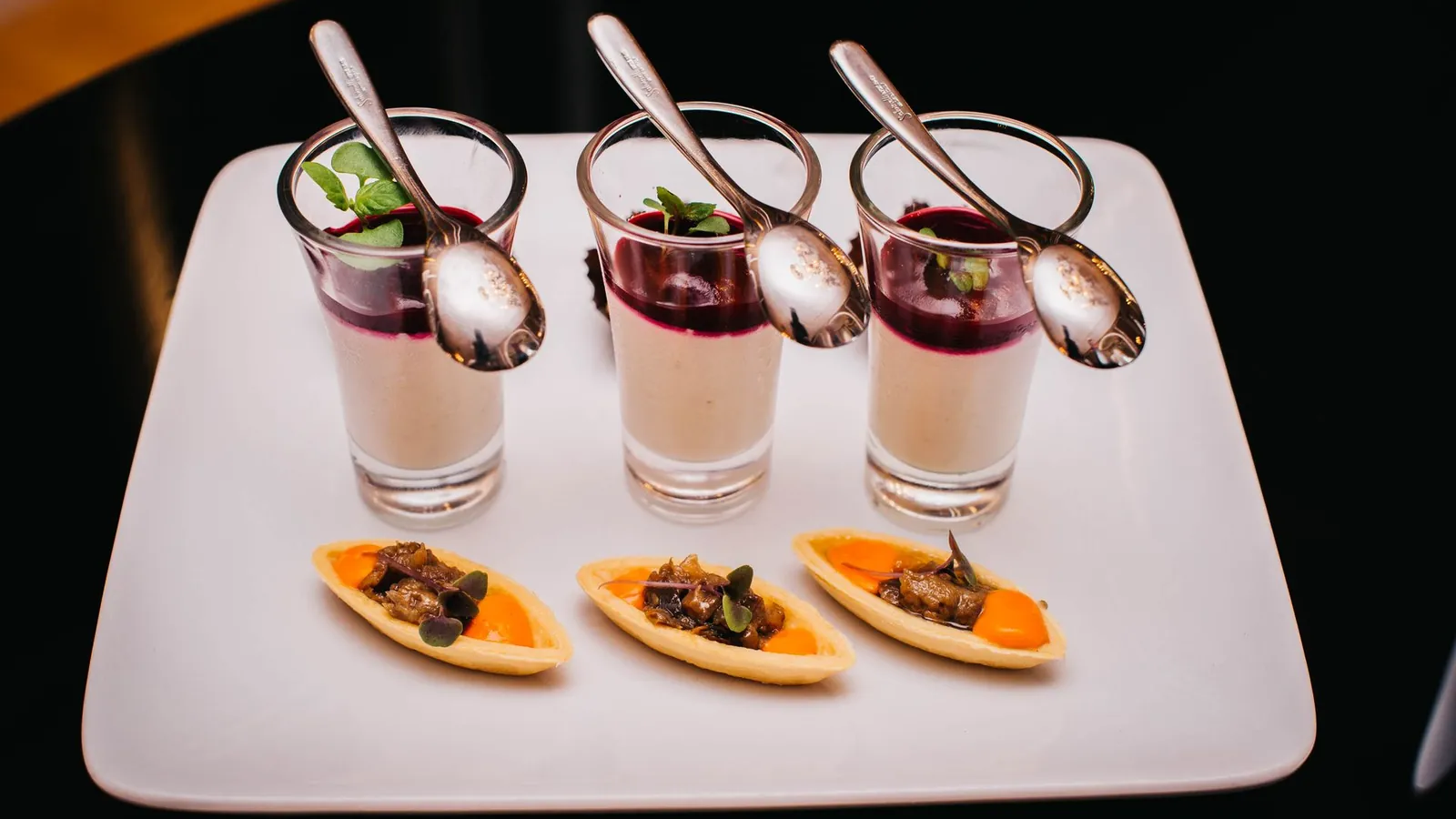
Imagine a development team tasting a sample labelled improved. Heads nod. The texture seems smoother, the finish cleaner. Later, the samples return in identical cups with plain codes. This time the conversation slows. Someone notices a lingering bitterness that did not receive much attention before.
This is an illustrative scene, not a reported test result. Its point is familiar: people do not taste in a vacuum. Names, expectations and other people's reactions can influence what they notice and how they judge it. A fair tasting gives the food a better chance to speak for itself.
The label gets the first bite
A description such as improved, premium or reduced cost gives a taster a story before the sample reaches the mouth. That story can direct attention towards desirable features or possible flaws. Technical knowledge can have a similar effect when someone knows which formulation the team hopes will succeed.
This does not make the tasters dishonest or careless. Expectations are part of normal perception and decision-making. Simply telling everyone to ignore the label is less effective than removing unnecessary clues from the comparison in the first place.
Use neutral codes that do not suggest rank, price or formulation identity. Keep the code key with the person organising the test. Identical vessels and consistent presentation help prevent the packaging from giving away the answer the code was meant to hide.
The first sample changes the next one
A strong flavour can linger and influence the sample that follows. A very sweet product can make another seem less sweet by comparison. Repeated tasting can also cause fatigue, making later judgements less sensitive or less patient.
Vary the serving order across tasters where practical, so one sample is not always first or always after the strongest product. Plan that variation rather than improvising as the cups are handed out. Record the order so an unexpected pattern can be investigated later.
Provide appropriate breaks and a consistent palate-cleansing approach for the foods being tested. Keep the session manageable. A crowded table full of samples can look efficient while making it harder to compare any of them carefully.
Match the conditions people actually experience
Serving temperature changes texture and aroma release. Time since preparation can affect crispness, melting, skin formation or other properties. Portion size and the part of the product sampled matter too: a corner and a centre piece may offer different eating experiences.
Prepare a simple serving procedure before the session. Use comparable portions, matched vessels and a defined time window after cooking or opening. If the intended use involves reheating, assess samples after that same preparation rather than comparing a fresh reference with a reheated candidate.
Appearance may be part of the question, so it need not always be hidden. Decide whether the test concerns overall eating quality or a specific flavour difference. Record what tasters could see. Blinding the formulation identity does not automatically blind every sensory cue.
Ask one kind of question clearly
Liking and description answer different questions. A taster can identify greater bitterness in a sample and still prefer it. Another can describe a firmer bite without considering that firmness desirable. Mixing these observations into one vague score loses useful information.
Choose a short set of attributes relevant to the development question, such as sourness, firmness, graininess or lingering aftertaste. Define what the team means by each term. Collect overall liking separately if it matters to the decision.
Let people record their first responses independently before discussion. A confident colleague can unintentionally set the direction for everyone else. The conversation afterwards is still valuable, especially for clarifying descriptions, but preserve the original individual records rather than rewriting them into agreement.
- Define whether the question concerns a difference, an attribute or liking.
- Use neutral codes and keep the identity key separate.
- Vary and record serving order across tasters.
- Match portions, temperature and time since preparation.
- Collect individual responses before discussing the samples.
Use the result at the right scale
A small internal panel can help identify a promising direction or a recurring defect. It does not automatically represent the intended consumers. A clear commercial preference claim needs a suitable study design and analysis, not just enthusiastic agreement around the development table.
Check whether a difference repeats under a fresh coded comparison. If the result changes, investigate preparation, order and batch variation before declaring that the panel failed. Sensory evidence becomes more useful when the uncertainty stays visible in the notes.
In our imagined session, the plain codes have not spoiled the team's good mood. They have made room for a better decision. Ask Specsy or the SpecSol team to help frame the next tasting question, then let the samples earn their description before anyone calls them improved.