

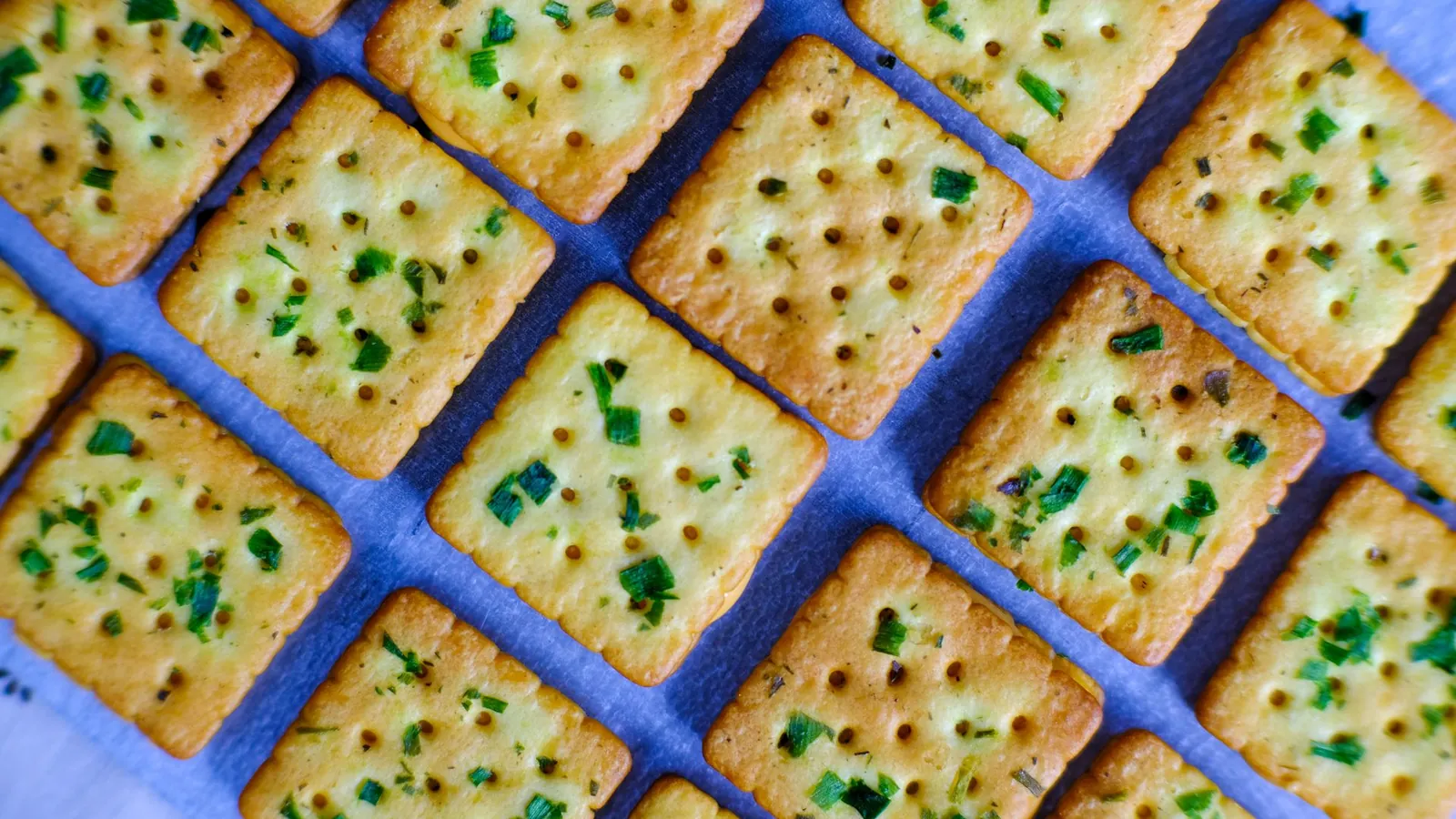
Imagine a nutrition developer reviewing a baked snack. The recipe looks straightforward, the oven has done its job and the pack team is enthusiastic about the process description. Then the finished-product fat result arrives. It deserves more attention than the word baked had led everyone to expect.
There is no contradiction. Baking describes how the snack was processed. Fat content describes what is present in the finished food. To connect the two, follow every fat contribution into the product and every meaningful mass change along its route to packing.
The fat may already be in the bowl
Added oil is an obvious entry on a formulation sheet, but it is not the only possible source. Flour, seeds, nuts, dairy ingredients and seasoning components can also contribute fat. Their contributions belong in the calculation even when the recipe does not list them under an oil heading.
Use composition information that matches the actual ingredient form. A whole seed and a partly defatted ingredient made from that seed are different materials. Substituting a familiar generic value can make a neat spreadsheet describe the wrong recipe.
Keep units and reporting bases consistent. A fat result expressed on the material as received cannot be swapped casually with one expressed on a dry basis. Before adding contributions together, confirm what each specification value represents and how it relates to the weighed ingredient.
Water leaves, so the proportions change
During baking, the snack commonly loses water. If much of its fat remains while the total product mass falls, fat makes up a larger share of the finished mass. The oven has not created fat; the calculation is now dividing by a smaller amount of food.
This is the key reason an ingredient-stage proportion can differ from the packed-product composition. The mass of dough entering the oven and the mass of cooled snack leaving it are different denominators. A useful calculation states which one it uses.
Follow actual yield instead of assuming every batch loses the same amount of water. Dough condition, piece size and the process can change the final mass and moisture. A recipe calculation becomes much more informative when it is connected to representative production measurements.
The oven exit is not the finish line
Some snacks receive oil during seasoning or another finishing operation. That contribution belongs in the finished-product balance. Include any fat in the seasoning itself as well as oil used to help the seasoning adhere.
Distinguish the amount delivered to a coating system from the amount retained on saleable product. Material left in equipment, collected elsewhere or lost with rejects complicates the picture. Use appropriate production records and measurements rather than assuming every weighed addition reaches every packed piece.
Fat may also be lost during processing, depending on the formulation and operation. A practical mass balance accounts for relevant losses as well as additions. It does not need to become an elaborate model before it can reveal a missing seasoning stage or an incorrect yield assumption.
Compare the same kind of number
When comparing snacks, choose a consistent finished-product reporting basis. A dry-basis analytical value answers a different question from a value for the food as eaten. Likewise, a smaller serving can contain less fat while the product's composition remains unchanged.
Keep product identity in view. A baked snack containing seeds and an unseasoned fried product may differ for several reasons beyond their cooking method. State what is being compared and avoid assigning the whole difference to the oven or fryer.
Analytical checks help establish the finished composition. Agree a suitable method and representative sampling with the laboratory. An oily seasoning can distribute unevenly, so a conveniently selected handful may not represent the production run. The sample needs to include the finished food as it is actually packed.
A recipe-to-pack checklist
- Include fat from every ingredient, using the correct material information.
- Record actual dough input and cooled, saleable product yield.
- Account for post-bake oil, seasoning and relevant process losses.
- Compare calculations and analysis on the same reporting basis.
- Review proposed nutrition wording against the finished-product evidence.
If calculation and analysis disagree, work through the stages before deciding that either result is wrong. Check ingredient data, weighing, yield, finishing additions and sampling. Ask the laboratory about the method and sample preparation where those could explain the difference.
Keep the calculation useful by showing its assumptions. Mark estimated ingredient compositions or uncertain losses clearly in the working record. Update them when better evidence becomes available, rather than allowing an early development estimate to become an unquestioned production fact.
Evaluate the complete nutrition profile and intended eating occasion when developing the snack. The cooking method alone does not establish a nutritional claim. Before choosing wording for a pack or promotion, check the current FSSAI regulations and assess the appropriate evidence.
Back at the review table, baked can still be an accurate process description. It simply has a more informative companion: the finished-food composition. Ask Specsy or the SpecSol team to help follow the ingredients, yield and finishing steps. A clear calculation leaves everyone with fewer surprises and a better understanding of the snack.